
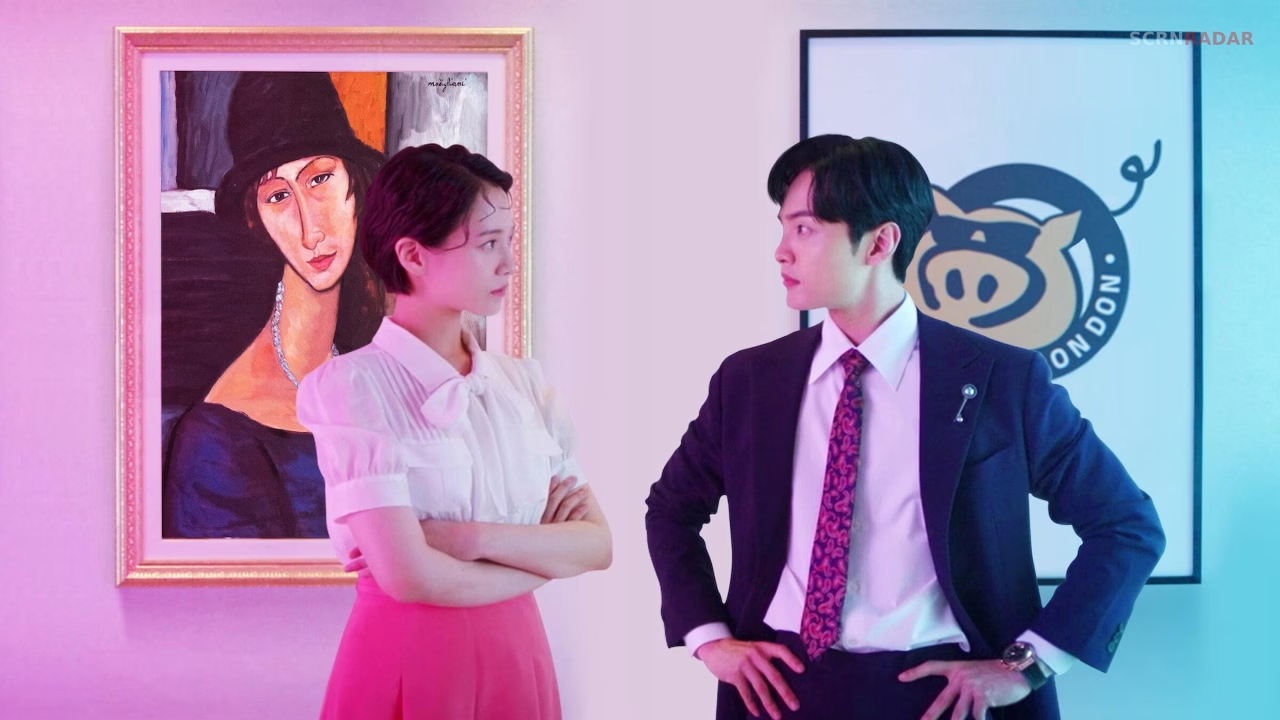
Dali and the Cocky Prince is a South Korean romantic comedy-drama that blends art, romance, and class differences into a compelling storyline. Released in 2021, the series quickly gained attention for its unique premise and strong performances by Park Gyu-young and Kim Min-jae. Unlike typical rom-coms, the show uses the world of fine art as a backdrop, giving it a distinct identity in the crowded K-drama space.
At its core, the drama follows the unlikely relationship between an elegant art scholar and a blunt, self-made businessman. Their contrasting personalities create both comedic and emotional moments throughout the series. As their lives intertwine, the story explores themes of love, financial struggle, identity, and personal growth. For viewers searching “what is Dali and the Cocky Prince about,” the answer lies in its heartfelt narrative that balances humor with deeper emotional stakes.
The Main Plot of Dali and the Cocky Prince
The story revolves around Kim Da-li, a refined and intelligent woman who comes from a prestigious family deeply connected to the art world. She works as a curator at an art gallery and has a deep appreciation for culture, history, and aesthetics. However, her life takes a dramatic turn after her father’s sudden death, leaving her with massive debt and the responsibility of saving the struggling gallery.
Enter Jin Moo-hak, a wealthy businessman who built his fortune through a restaurant chain. Unlike Da-li, Moo-hak lacks formal education and sophistication but possesses sharp business instincts and street smarts. Their paths cross when Moo-hak becomes a creditor to Da-li, creating an unusual and tension-filled relationship.
As the story progresses, Moo-hak becomes involved in the gallery’s affairs, despite his lack of understanding of art. What begins as a transactional relationship slowly evolves into something deeper, as both characters begin to influence each other’s lives in unexpected ways.
A Romance Built on Opposites
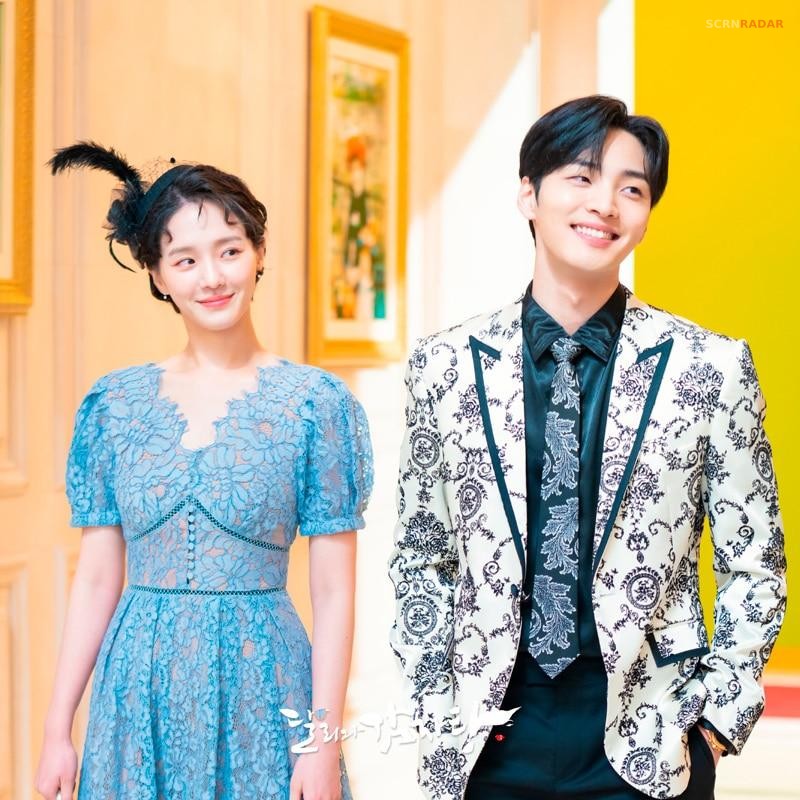
One of the key reasons behind the drama’s popularity is its “opposites attract” romance. Da-li represents elegance, culture, and emotional intelligence, while Moo-hak embodies practicality, bluntness, and financial savvy. Their differences initially lead to misunderstandings and humorous clashes.
Despite these contrasts, the two characters gradually develop mutual respect. Moo-hak learns to appreciate art and emotional depth, while Da-li becomes more resilient and pragmatic. This character development adds depth to their relationship, making the romance feel earned rather than forced.
The chemistry between the leads plays a major role in keeping viewers engaged. Their interactions shift naturally from comedic arguments to heartfelt moments, creating a balanced romantic narrative.
Themes That Make the Story Stand Out
Beyond romance, Dali and the Cocky Prince explores several meaningful themes. One of the central themes is the clash between wealth and culture, highlighting how financial success and artistic value often exist in separate worlds.
The show also looks into personal identity and growth. Both Da-li and Moo-hak face internal struggles that force them to evolve. Da-li learns to stand strong despite losing her privileged life, while Moo-hak seeks validation beyond financial success.
Another important aspect is the portrayal of grief and responsibility. Da-li’s journey is shaped by her efforts to honor her father’s legacy while steering through overwhelming challenges. These emotional layers lift the story beyond a typical romantic comedy.
Supporting Characters and Conflict
The drama also features strong supporting characters who add complexity to the narrative. From rivals in the business world to figures from Da-li’s past, each character contributes to the unfolding conflicts.
A major source of tension comes from antagonists attempting to take over the gallery. These external threats push both Da-li and Moo-hak to fight for what they believe in. The conflicts are not just romantic but also financial and emotional, giving the story multiple layers.
These elements ensure that the plot remains engaging throughout its run, with stakes that go beyond the central romance.