Ubuntu 19.10, codenamed Eoan Ermine, was a short-term Ubuntu release that arrived on October 17, 2019. It followed Ubuntu 19.04 and introduced several important changes to the Linux distribution, including the Linux 5.3 kernel, GNOME 3.34, updated development tools, improved NVIDIA support, and experimental ZFS installation.
The release also marked a continued push toward a faster and more polished Ubuntu desktop, with improvements to application organization, themes, hardware compatibility, and system performance. Although Ubuntu 19.10 was not a Long Term Support version, it played an important role in testing technologies and features that would influence later Ubuntu releases. Its nine-month support cycle eventually ended in July 2020, meaning it is now a historical release rather than a suitable choice for a new installation.
What Made Ubuntu 19.10 Different From Earlier Releases?
One of the biggest Ubuntu 19.10 upgrades was its move to the Linux 5.3 kernel, bringing additional hardware support, including support for AMD Navi graphics processors and newer ARM platforms. The release also used GNOME 3.34, which brought desktop performance improvements and made application organization more convenient. Users could arrange applications into folders more easily, while Ubuntu also introduced light and dark variants of its Yaru theme.
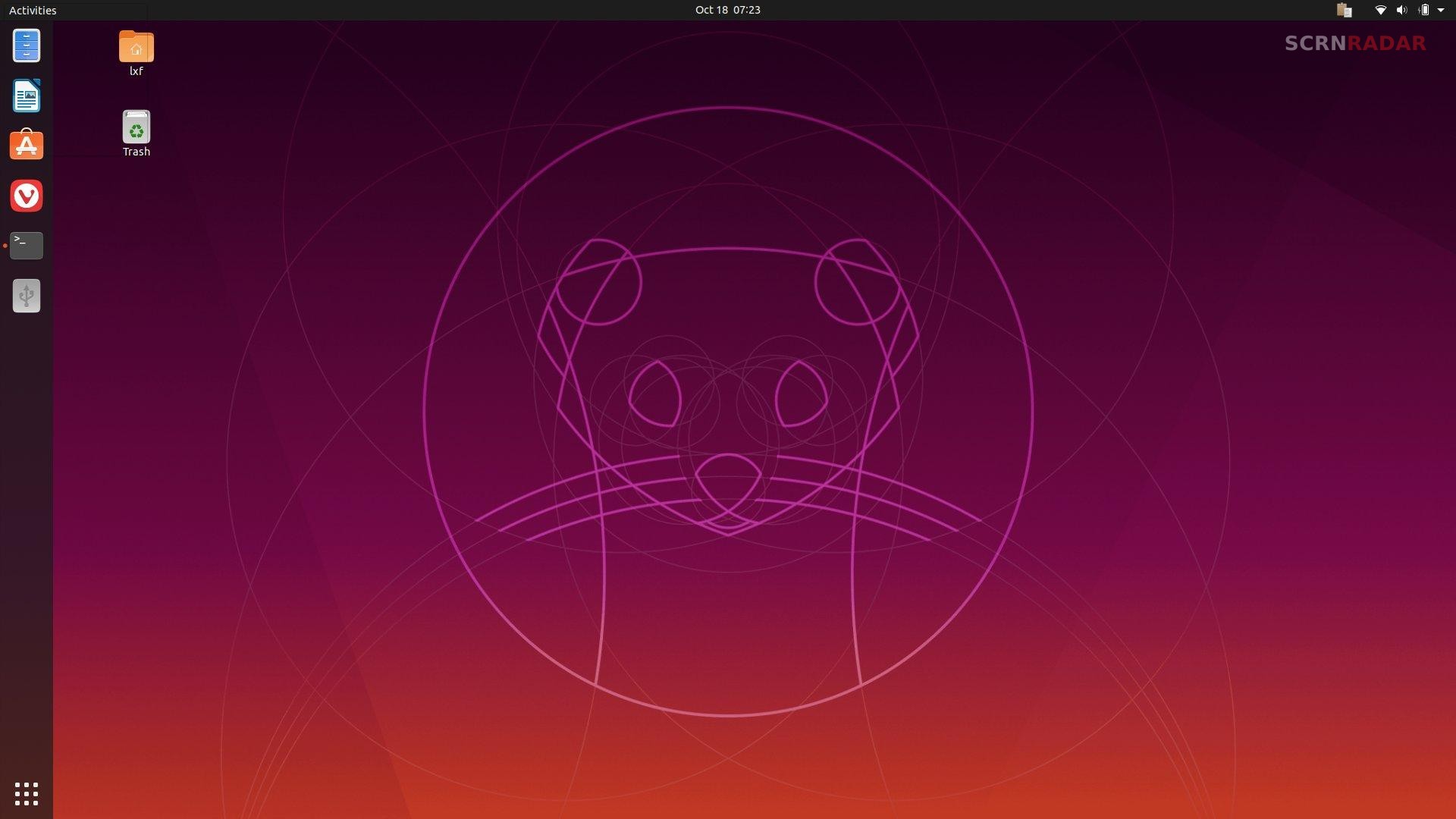
Ubuntu 19.10 also introduced experimental ZFS-on-root support through the desktop installer. This gave users an early way to install Ubuntu using ZFS as the root filesystem, although the feature was explicitly experimental at the time. NVIDIA users also benefited because the proprietary NVIDIA driver was included directly in the installation image, alongside improvements intended to make startup and graphical performance more reliable.
Other changes included WPA3 support, improved USB-drive access through the desktop dock, updated applications such as Firefox 69 and LibreOffice 6.3, and refreshed development components including GCC 9.2 and glibc 2.30. These additions made Ubuntu 19.10 a notable interim release for users interested in newer Linux technologies before the arrival of Ubuntu 20.04 LTS.
However, Ubuntu 19.10 is no longer supported. Its official support ended on July 17, 2020, after roughly nine months, and it stopped receiving security and package updates. For anyone looking to use Ubuntu today, a currently supported release is a much safer option than installing Eoan Ermine.