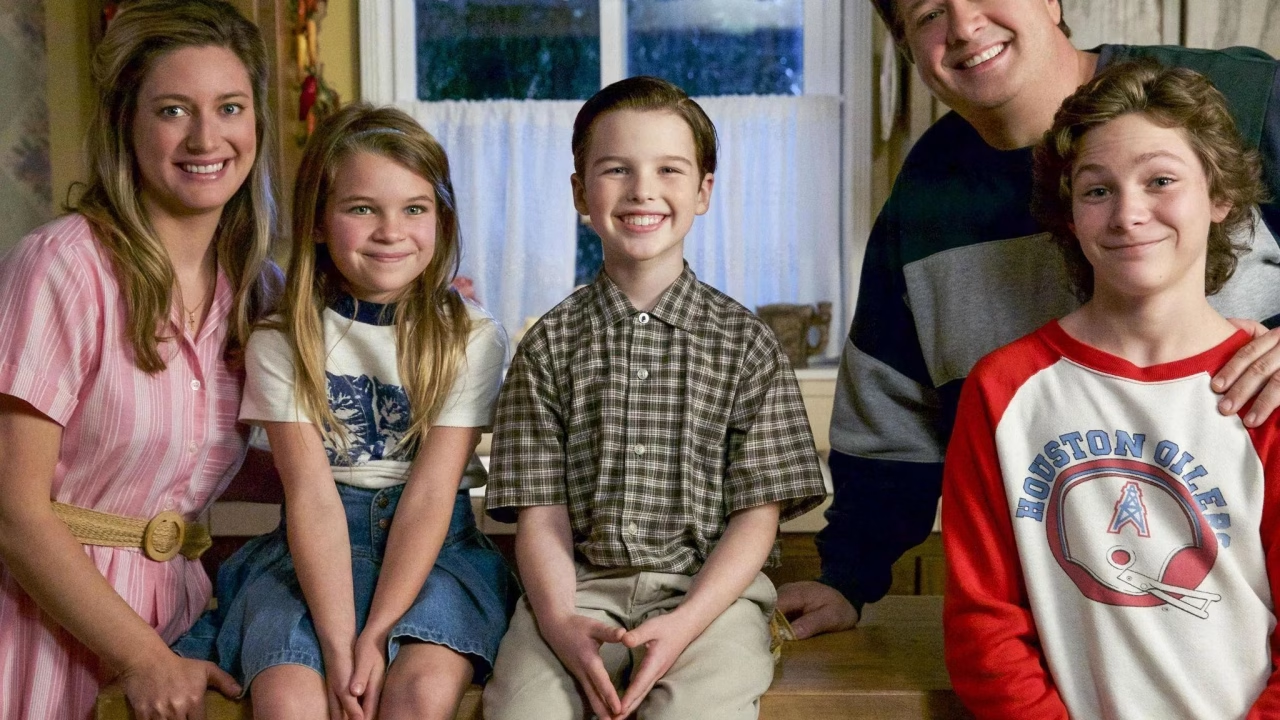
Young Sheldon has become one of the most successful spin-offs in modern television, expanding the beloved universe of The Big Bang Theory while carving out its own identity. Premiering in 2017, the show follows the childhood of Sheldon Cooper in East Texas, offering fans a deeper look into the origins of one of TV’s most iconic characters. Unlike its predecessor, Young Sheldon adopts a more heartfelt and family-oriented tone, blending humor with emotional storytelling.
The series not only explores Sheldon’s genius but also highlights the dynamics of the Cooper family, giving depth to characters who were previously only mentioned in The Big Bang Theory. With strong performances, particularly by Iain Armitage, the show has built a loyal fanbase and critical acclaim.
For fans who want to understand the show on a deeper level, there are several key facts that reveal how Young Sheldon works behind the scenes and within the larger franchise. Let’s break down the top five facts every fan should know.
Fact 1: Young Sheldon Is Inspired by Real-Life Elements
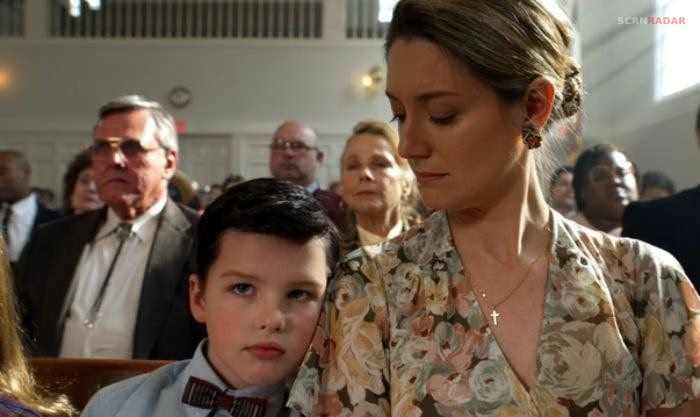
One of the most interesting aspects of Young Sheldon is how much of it is rooted in real-life experiences.
Co-creator Chuck Lorre has mentioned in interviews that many of the family dynamics and emotional beats in the show are influenced by real-life observations rather than purely fictional sitcom tropes. This is especially evident in how the Cooper family interacts, with conflicts and relationships feeling more grounded than typical sitcom portrayals.
Sheldon’s upbringing in East Texas also reflects a carefully researched environment. The show captures the cultural and social atmosphere of the late 1980s and early 1990s, from religious influences to school systems and community values.
This realism helps differentiate Young Sheldon from The Big Bang Theory. While the original series relied heavily on exaggerated humor, the spin-off leans into authenticity and emotional depth.
The result is a show that feels relatable despite focusing on an extraordinary character.
Fact 2: Iain Armitage Was Personally Approved for the Role
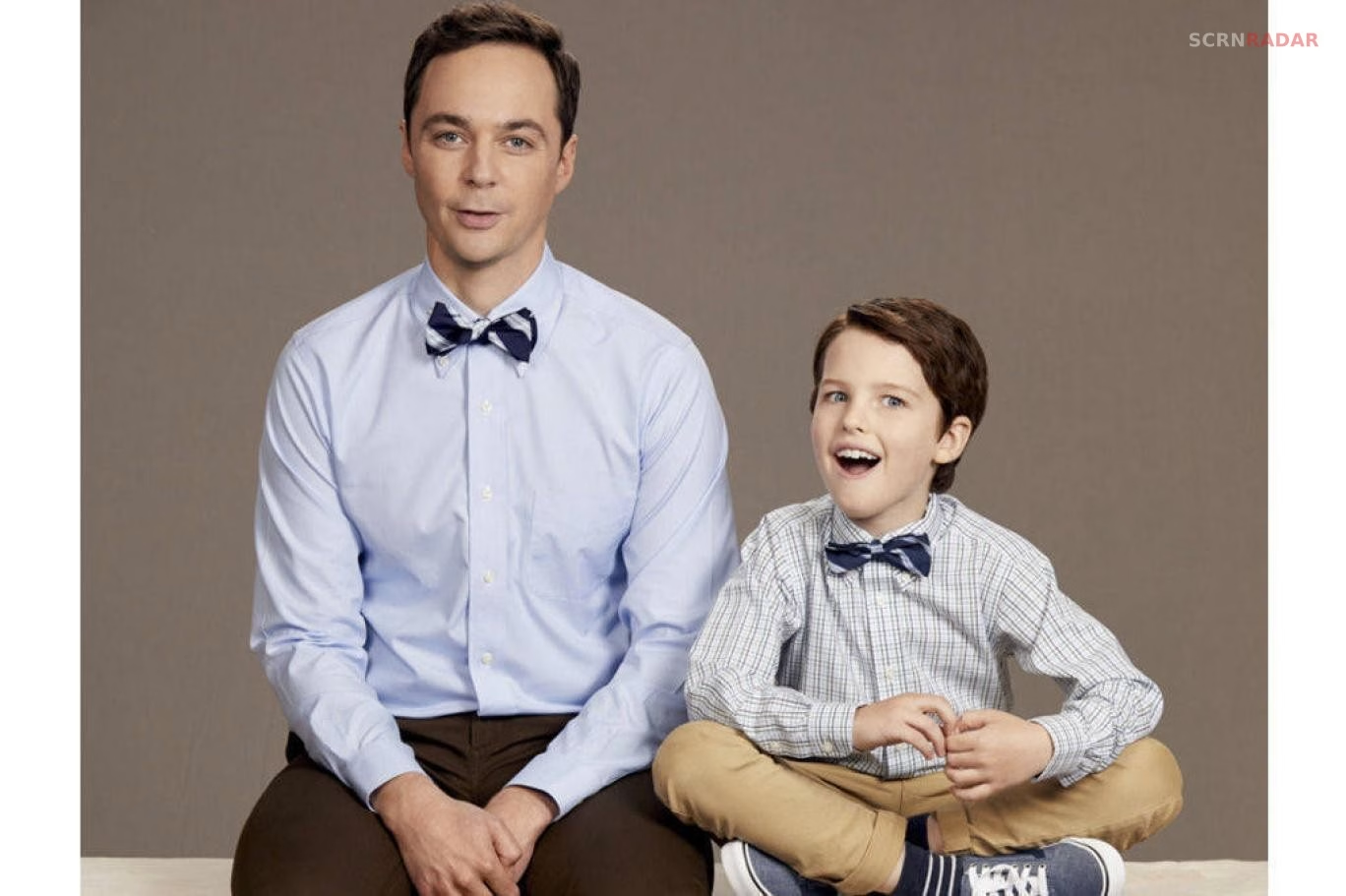
Casting Sheldon Cooper as a child was one of the biggest challenges for the creators.
Jim Parsons, who originally played Sheldon in The Big Bang Theory, played a significant role in selecting Iain Armitage for the role. Parsons not only serves as the narrator of the show but is also an executive producer, giving him creative input.
Armitage’s performance quickly proved that he was the right choice. He captures Sheldon’s intelligence, quirks, and unique perspective while adding a layer of innocence that fits the character’s younger version.
The casting decision was crucial to the show’s success. Without a convincing young Sheldon, the series would not have been able to connect with audiences.
Armitage’s portrayal has since become one of the defining elements of the show, earning praise from critics and fans alike.
Fact 3: The Show Expands the Cooper Family Beyond The Big Bang Theory
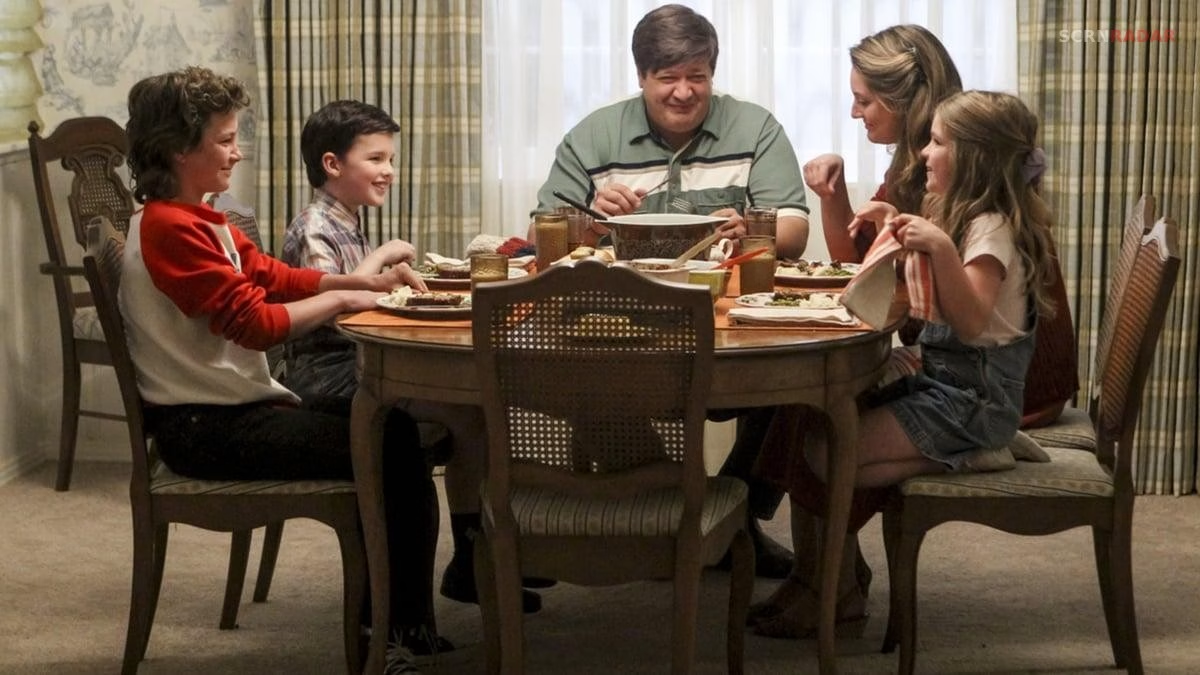
In The Big Bang Theory, much of Sheldon’s family was only referenced through dialogue.
Young Sheldon takes those references and turns them into fully developed characters. Mary Cooper, Sheldon’s mother, is portrayed as a deeply religious and caring figure, played by Zoe Perry. Interestingly, Perry is the real-life daughter of Laurie Metcalf, who played Mary in The Big Bang Theory.
George Cooper Sr., Sheldon’s father, is given a more nuanced portrayal in Young Sheldon. While he was often described negatively in the original series, the spin-off presents him as a complex and sometimes misunderstood character.
Missy and Georgie, Sheldon’s siblings, also receive significant development. Missy is shown as socially intelligent and emotionally aware, while Georgie evolves into a responsible and hardworking individual.
This expansion of the Cooper family adds depth to the narrative and provides a richer context for Sheldon’s upbringing.
Fact 4: Young Sheldon Has a Different Tone from The Big Bang Theory
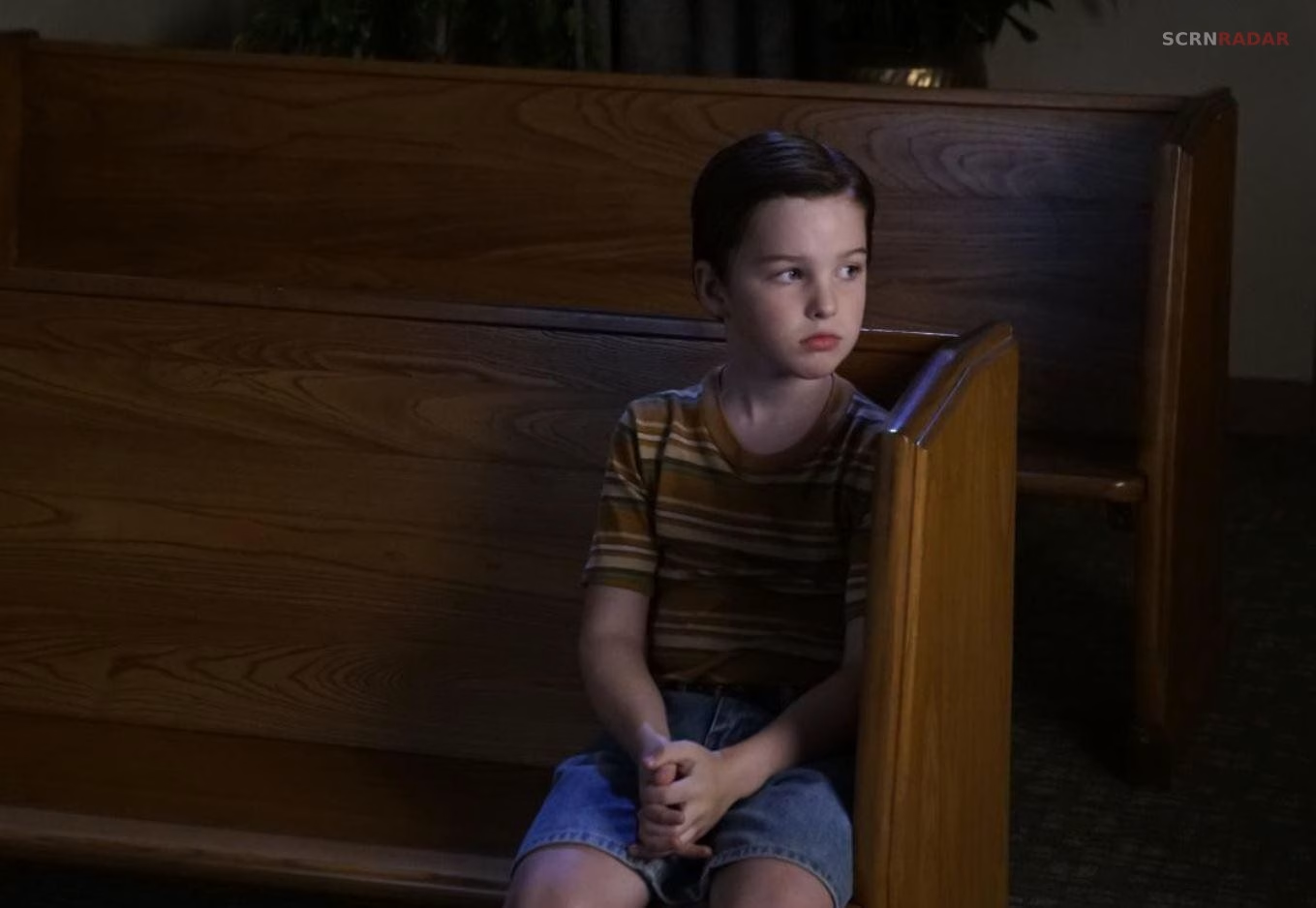
One of the most noticeable differences between Young Sheldon and its parent series is its tone.
The Big Bang Theory is a multi-camera sitcom with a laugh track, focusing on fast-paced humor and witty dialogue. In contrast, Young Sheldon uses a single-camera format, similar to a dramedy.
This change allows for more cinematic storytelling and emotional moments. The show often explores serious themes such as family struggles, financial issues, and personal growth.
The humor is still present but is more subtle and character-driven. Instead of relying on punchlines, the comedy emerges naturally from situations and personalities.
This tonal shift has helped Young Sheldon appeal to a broader audience, including viewers who may not have been fans of traditional sitcoms.
Fact 5: The Show Connects Deeply with The Big Bang Theory Timeline
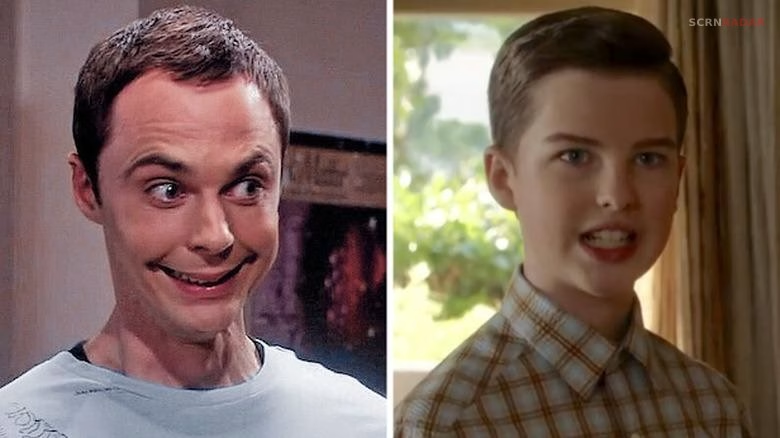
Despite its standalone appeal, Young Sheldon maintains strong connections to The Big Bang Theory.
The narration by Jim Parsons provides continuity, linking the adult Sheldon to his childhood experiences. This narrative device allows the show to reflect on events with hindsight and humor.
Several storylines and details align with what was established in the original series. For example, Sheldon’s academic achievements, his relationships with family members, and key life events are consistent with his adult character.
At the same time, the show occasionally reinterprets certain aspects to fit its storytelling style. This balance between consistency and creative freedom allows Young Sheldon to expand the universe without being restricted by it.
For longtime fans, these connections add an extra layer of enjoyment, as they can see how Sheldon’s past shapes his future.
The Lasting Impact of Young Sheldon
Understanding these facts enhances the viewing experience of Young Sheldon.
They reveal the thought and effort that goes into creating a spin-off that respects its source material while establishing its own identity. The show is not just a prequel but a carefully crafted narrative that adds depth to an already beloved character.
These insights also highlight the importance of casting, storytelling choices, and character development. Each element plays a role in making the series successful.
For fans, knowing these details makes it easier to appreciate the nuances of the show. It turns casual viewing into a more engaging and meaningful experience.
Young Sheldon has proven that spin-offs can succeed when done thoughtfully.
The show has managed to maintain strong ratings and a dedicated fanbase, even as The Big Bang Theory concluded. Its focus on family, growth, and authenticity has resonated with audiences.
The series also demonstrates how a character-driven approach can lift a story. By focusing on Sheldon’s early life, the show adds emotional depth to a character who was often portrayed primarily for comedic effect.
As the series continues, it remains an important part of the larger franchise. It bridges the gap between past and present, offering new perspectives on familiar characters.