The return of The Mandalorian and Grogu to theaters has delivered a dramatic turnaround at the box office, turning early concerns into cautious optimism for Disney and Lucasfilm. After a soft opening day raised alarms, the film surged over the weekend to an estimated $102 million domestic debut across the four-day Memorial Day frame, signaling renewed audience interest in the Star Wars franchise.
This marks a significant moment for the long-running saga, as it is the first Star Wars movie to hit theaters in seven years. While expectations were initially tempered due to franchise fatigue and changing theatrical trends, strong audience reception appears to have shifted the narrative in the film’s favor.
A Slow Friday Sparked Early Concerns
Heading into the weekend, industry projections suggested a moderate opening, but Friday’s numbers told a more uncertain story. The film debuted with around $33 million domestically, a figure that placed it below several recent entries in the franchise and even behind Solo: A Star Wars Story on opening day.
That comparison was particularly concerning given Solo’s underwhelming performance in 2018, which remains the lowest-opening Star Wars film in the Disney era. With a production budget reportedly around $165 million, expectations for The Mandalorian and Grogu were already more conservative than previous installments, but the initial numbers still suggested a potential disappointment.
However, industry insiders noted that Friday figures can be misleading, especially for family-oriented films. Unlike traditional blockbusters that rely heavily on pre-sales, these films often see stronger walk-up ticket sales over the weekend. That pattern would soon play out in this case.
Weekend Surge Driven by Families and Younger Audiences
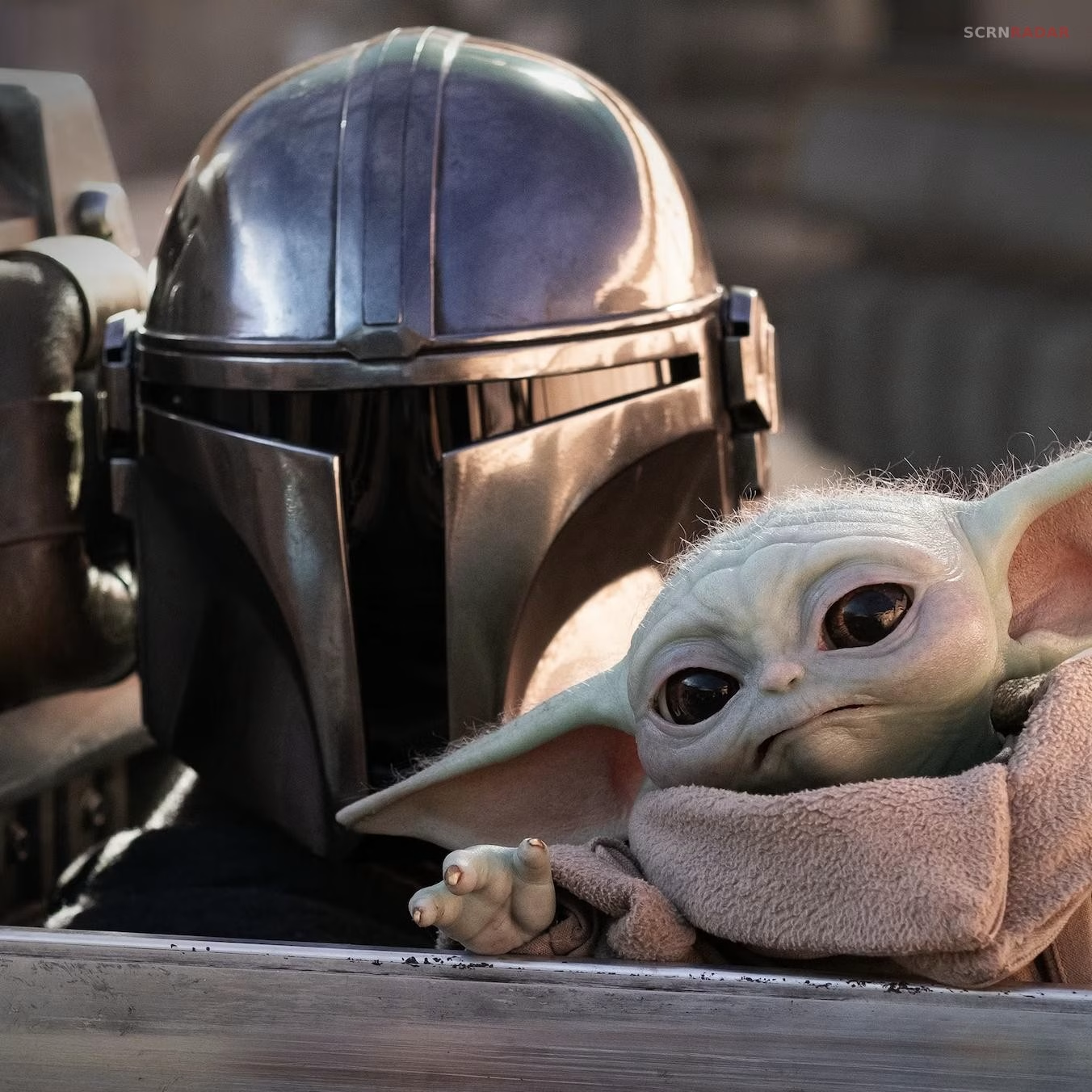
By Saturday, the narrative had shifted dramatically. The film saw a significant boost in attendance, particularly from families and younger viewers drawn to the popularity of Grogu, also widely known as Baby Yoda.
Disney insiders pointed to strong walk-up business as a key factor in the film’s rebound. This surge helped push the projected domestic total well above earlier estimates, with the four-day opening expected to reach approximately $102 million.
Audience demographics also played a crucial role. The film performed across multiple age groups, including older viewers who are often harder to attract to theaters. At the same time, younger audiences responded enthusiastically, particularly boys under 13, who gave the film top marks in exit polls.
This broad appeal suggests that the film may have stronger staying power than initially anticipated, especially if family attendance continues in the weeks ahead.
Audience Scores Signal Long-Term Potential
One of the most encouraging indicators for the film’s future performance is its strong audience reception. The movie earned an impressive 89 percent audience score on Rotten Tomatoes, along with high ratings on CinemaScore and PostTrak.
These metrics are particularly important in the current theatrical terrain, where word-of-mouth can significantly influence a film’s longevity. While critics have been more mixed in their response, general audiences appear to be embracing the film’s tone and characters.
Industry analysts note that films with strong audience scores often experience “long legs,” maintaining steady box office performance over time rather than relying solely on a massive opening weekend. This trend has become more common in the post-pandemic era, where fewer films achieve record-breaking debuts but successful ones sustain momentum.
A New Kind of Star Wars Release
Unlike previous entries in the franchise, The Mandalorian and Grogu arrive with a unique background. The film is a continuation of the popular Disney+ series The Mandalorian, which played a major role in launching the streaming platform and became one of its most-watched originals.
This transition from streaming to theaters represents a different strategy for the franchise, introducing characters who are not directly tied to the core Skywalker saga. As a result, the film faces the dual challenge of attracting both longtime fans and newcomers unfamiliar with the series.
Disney has emphasized that the film’s success should be viewed within this context. Rather than aiming for the massive openings of earlier Star Wars releases, the studio is focusing on building a broader ecosystem that includes streaming, merchandise, and theme park experiences.
Global Performance and Market Factors
Internationally, the film launched simultaneously in most major markets, though external factors such as weather conditions in parts of Europe affected early turnout. Despite this, Disney expects global numbers to improve as the film continues its run.
Premium formats have also contributed significantly to revenue, accounting for more than half of ticket sales. IMAX screenings alone generated a notable share of the film’s opening weekend earnings, highlighting the importance of large-format experiences in driving box office results.
These factors, combined with strong domestic performance, suggest that the film could achieve a solid global total even without record-breaking numbers.

What This Means for the Future of Star Wars
The performance of The Mandalorian and Grogu could have broader implications for the future of the Star Wars franchise. After a period of uncertainty and mixed reception for recent films, the success of this project may signal a new direction focused on character-driven stories and cross-platform integration.
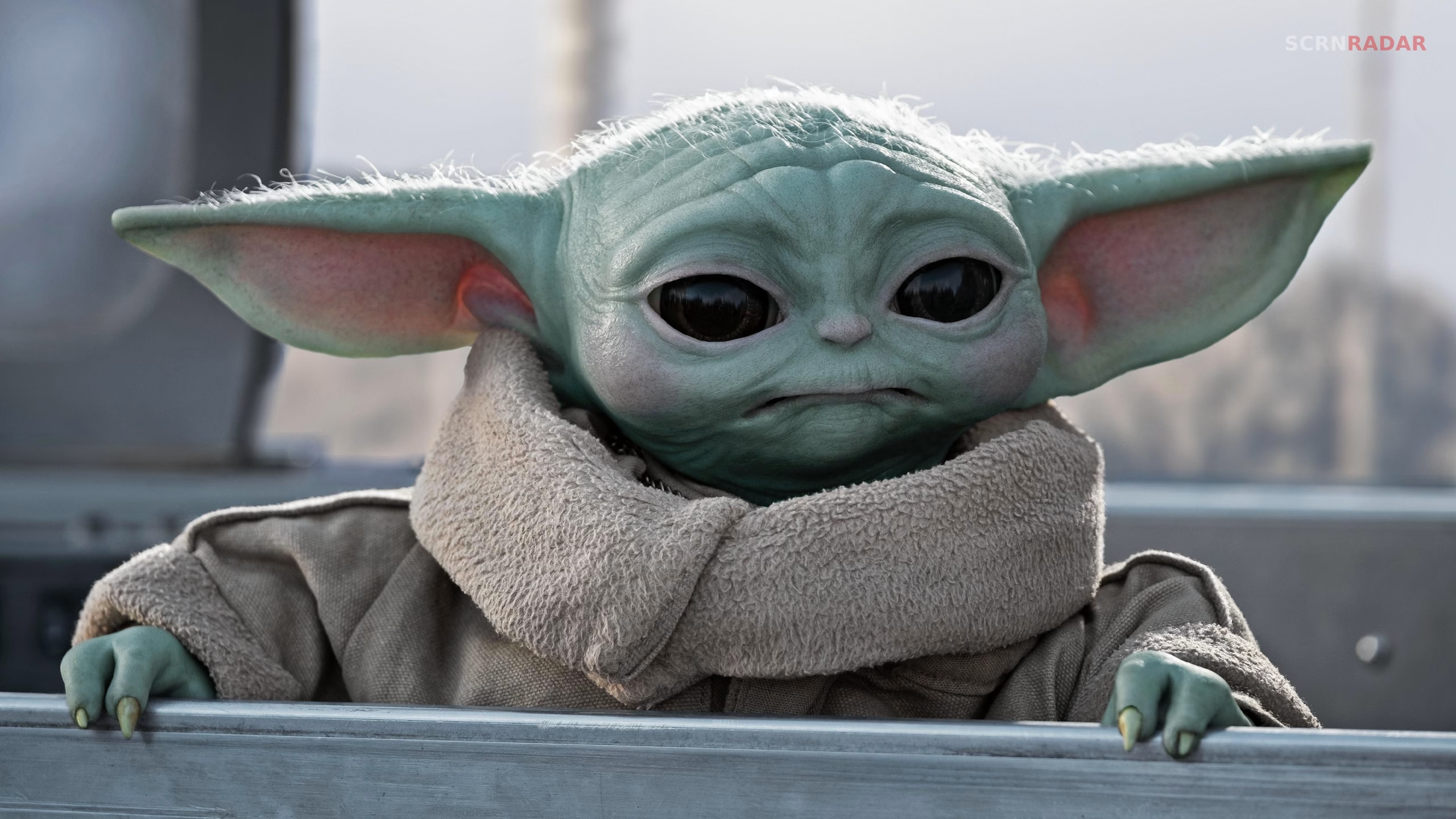
The popularity of Grogu, in particular, remains a major asset. The character has generated significant merchandise revenue and continues to attract younger audiences, making him a key figure in the franchise’s long-term strategy.
If the film maintains its momentum, it could pave the way for more theatrical releases tied to Disney+ properties, bridging the gap between streaming and cinema in a way that redefines how major franchises operate.
After a shaky start, The Mandalorian and Grogu have demonstrated the enduring appeal of Star Wars when paired with strong audience engagement. Its $100 million-plus opening weekend reflects not just a box office recovery, but a potential shift in how the franchise connects with modern viewers.
While challenges remain, particularly in sustaining momentum over the coming weeks, early signs point to a film that resonates with audiences in ways that matter most. For Disney and Lucasfilm, that may be the clearest sign yet that the Force is still very much alive at the box office.