The Lord of the Rings: The Return of the King concludes Peter Jackson’s acclaimed fantasy trilogy with one of cinema’s most emotional and satisfying endings. Adapted from J.R.R. Tolkien’s legendary novel, the film follows Frodo Baggins and Samwise Gamgee as they complete their perilous journey to Mount Doom while Aragorn leads the Free Peoples of Middle-earth in a final stand against Sauron’s armies. The movie balances epic battles with deeply personal moments, making its conclusion both thrilling and heartfelt.
While the destruction of the One Ring marks the end of Sauron’s reign, the film’s extended epilogue explores the lasting consequences of the quest. From Aragorn finally becoming king to Frodo’s bittersweet farewell, every ending serves a purpose in bringing the trilogy’s central themes of sacrifice, friendship, and hope to a close. Here’s what the ending really means.
The Meaning Behind the Final Ending
The climax begins at Mount Doom, where Frodo finally reaches the Crack of Doom after months of hardship. However, at the final moment, he cannot resist the One Ring’s overwhelming influence and claims it for himself instead of destroying it. Before Sauron can reclaim the Ring, Gollum attacks Frodo, bites off his finger, and retrieves his precious treasure. During the struggle, Gollum falls into the lava with the Ring, destroying both it and himself while bringing an end to Sauron’s power forever.
With the Ring destroyed, Sauron’s armies collapse, and Frodo and Sam are rescued by the Great Eagles before Mount Doom erupts. The surviving members of the Fellowship reunite in Minas Tirith, where Aragorn is crowned the rightful King of Gondor and marries Arwen, fulfilling a destiny that had been building since the beginning of the trilogy. The famous scene in which Aragorn and the people of Gondor bow before the four hobbits recognizes that the smallest heroes accomplished what even the greatest warriors could not.
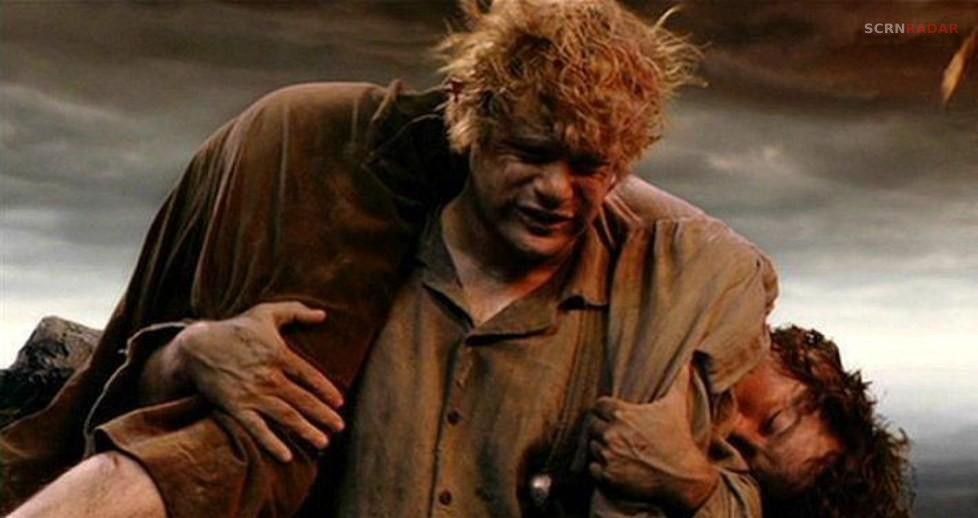
Although peace returns to Middle-earth, Frodo is unable to fully recover from the emotional and physical wounds left by the Ring. His injuries, including the burden of carrying the Ring and earlier attacks by the Witch-king and Shelob, leave scars that cannot heal. As a result, he departs from the Grey Havens with Gandalf, Bilbo, and the Elves, sailing to the Undying Lands where he can finally find peace. Sam, Merry, and Pippin remain behind, with Sam returning to his family after an emotional farewell.
The ending emphasizes that true heroism often comes with sacrifice. Frodo succeeds in saving Middle-earth, but he cannot return to the simple life he once knew. Meanwhile, Aragorn’s reign symbolizes a new age of peace, while Sam’s return home reminds viewers that even after extraordinary adventures, hope ultimately lies in rebuilding ordinary lives. Together, these endings provide a fitting conclusion to one of fantasy’s greatest stories.