The Housemaid by Freida McFadden became a bestseller thanks to its relentless suspense, unreliable characters, and one of the most surprising endings in recent thriller fiction. What begins as a story about a struggling woman finding work as a live-in maid gradually transforms into a dark psychological thriller filled with manipulation, abuse, and revenge.
The novel follows Millie Calloway, a young woman with a criminal record who desperately needs a job. When she is hired by the wealthy Winchester family, she believes her luck has finally changed. However, strange events inside the house quickly convince her that something is deeply wrong. The seemingly unstable Nina Winchester appears increasingly erratic, while her charming husband Andrew seems like the only trustworthy person in the household.
By the time the final chapters arrive, readers discover that almost everything they believed was a lie. The ending completely reframes the story and reveals a horrifying truth about the Winchester family. Let’s break down exactly what happens and whether Millie truly escapes the nightmare.
What Happens Throughout The Housemaid?
At the beginning of the novel, Millie is struggling to rebuild her life after serving time in prison. Her criminal record makes it nearly impossible to find stable employment, leaving her living out of her car and searching for an opportunity to start over. When she receives an offer to become a live-in housemaid for the Winchesters, she accepts immediately.
The household appears perfect from the outside. Andrew Winchester is handsome, wealthy, and successful, while Nina seems unstable and emotionally volatile. Nina constantly humiliates Millie, creates impossible tasks, and behaves in ways that make everyone around her question her mental state.
As Millie spends more time in the house, she begins to sympathize with Andrew. He appears trapped in a difficult marriage and often seems patient and understanding despite Nina’s behavior. This perception becomes one of the novel’s most important misdirections.

Why Is Millie’s Attic Room So Important?
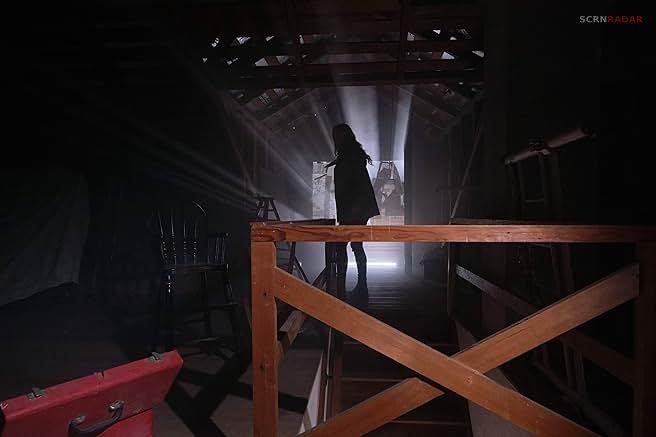
One of the earliest warning signs in the novel is the room where Millie sleeps. Instead of receiving a comfortable guest room, she is assigned a tiny attic bedroom with a lock on the outside of the door. This detail initially feels strange but not necessarily threatening.
Throughout the story, the room becomes increasingly unsettling. The fact that someone can lock Millie inside suggests that the room was designed for imprisonment rather than comfort. Readers eventually learn that the attic has a much darker history than anyone realizes.
The room serves as a symbol of the hidden truth within the Winchester household. While the mansion appears luxurious and elegant, the attic represents the abuse and control concealed behind closed doors.
The First Major Twist: Nina Is Not the Villain
The biggest turning point arrives when the narrative shifts perspective and reveals Nina’s side of the story. Up until this point, readers are encouraged to believe she is unstable, manipulative, and possibly dangerous.
The truth is far more disturbing. Nina is actually a victim of years of psychological and physical abuse at the hands of Andrew. Her strange behavior is not evidence of insanity but rather the result of surviving a deeply controlling relationship. Andrew has carefully manipulated everyone around her into believing she is mentally unstable.
This revelation completely changes how readers interpret earlier events. Actions that once seemed irrational suddenly make sense when viewed through the lens of survival and self-preservation.
Andrew Winchester’s True Nature
Once the truth emerges, Andrew transforms from the novel’s apparent hero into its true monster. He is revealed to be a master manipulator who uses charm, wealth, and social status to hide his abusive tendencies.
Years earlier, Andrew allegedly orchestrated events that resulted in Nina being labeled mentally unstable. This allowed him to gain greater control over her life while maintaining a positive public image. Even those closest to the family struggle to recognize the reality of his abuse.
His methods rely heavily on isolation and punishment. The attic room where Millie sleeps was previously used to imprison Nina whenever Andrew decided she needed to be “disciplined.” The horrifying realization is that Millie has unknowingly been living in the same prison.
Nina’s Secret Plan All Along
Perhaps the most surprising revelation in the book is that Nina’s actions were not random. She deliberately hired Millie as part of a carefully constructed escape plan.
Nina researched Millie’s past and discovered details about her criminal record. Years earlier, Millie had killed a boy while protecting her best friend from sexual assault. Although the incident resulted in prison time, Nina interpreted it differently. She saw Millie as someone willing to fight back against predators when necessary.
Realizing she could never safely escape Andrew herself, Nina developed a strategy. She intentionally pushed Andrew toward Millie, believing that once he targeted the younger woman, the situation would eventually lead to his downfall.
Why Does Andrew Lock Millie in the Attic?
After Nina leaves the house, Millie believes she has finally won. Andrew appears ready to begin a new life with her, and it seems as though the worst is over.
Instead, this moment reveals Andrew’s true intentions. Once Nina is gone, he no longer needs to maintain his facade. He locks Millie inside the attic room and begins subjecting her to the same abuse that Nina endured for years.
This is the moment when Millie finally understands the truth. Nina was never the danger. Andrew was always the threat. The charming, supportive husband was simply another mask hiding a deeply sadistic personality.
The revelation is terrifying because it confirms that Andrew follows a pattern. Nina was not his first victim, and Millie would not have been his last.
How Does Millie Escape?
Fortunately for Millie, Nina anticipated what would happen. Before leaving, she secretly provided Millie with a way to defend herself. Hidden in the attic is pepper spray that becomes crucial to her survival.
When Andrew eventually enters the room, Millie uses the spray to incapacitate him. Rather than simply escaping, she turns the tables completely. For the first time in the novel, Andrew loses control.
This reversal is one of the most satisfying moments in the book. The man who spent years imprisoning and terrorizing others suddenly finds himself trapped in the very room he used as a torture chamber.
What Happens to Andrew?
After overpowering Andrew, Millie locks him inside the attic. What follows is perhaps the darkest portion of the novel. Instead of immediately killing him, she forces him to experience some of the same suffering he inflicted on others.
Over several days, Andrew becomes increasingly desperate. Millie repeatedly promises freedom if he obeys certain instructions, only to continue his confinement afterward. The power dynamic has completely reversed.
Eventually, Andrew dies inside the attic. Unlike the later film adaptation, which changed the ending significantly, the novel gives him a slow and isolated death. He dies trapped in the prison he created for others.
Does Nina Know What Happened?
Yes. After being convinced to return to the house, Nina discovers the aftermath of Millie’s actions. By this point, Andrew is already dead.

Rather than condemning Millie, Nina understands exactly why everything happened. She recognizes that Andrew’s death was the inevitable result of years of abuse and manipulation. The man who controlled every aspect of her life has finally lost his power.
Their interaction at the end of the novel is significant because it transforms them from strangers into allies. Both women survived Andrew in different ways, and both understand the emotional cost of that survival.
Did Millie Really Escape the Hell Hole?
In a literal sense, yes. Millie escapes the Winchester mansion alive and free. She is no longer trapped by Andrew, and she avoids returning to prison despite her role in his death.
However, the ending suggests that her journey is far from over. Millie leaves the house with a new understanding of herself and the world. She has once again used violence to stop an abuser, raising difficult moral questions about justice and vigilantism.
The psychological scars of her experiences remain. Although she escapes physically, the events inside the Winchester house permanently change her perspective.
The Meaning Behind the Final Twist
The novel’s final chapters reveal that Nina refers Millie toward another situation involving a potentially abused woman. This ending transforms the entire story into something larger than a single act of revenge.
Instead of simply surviving, Millie appears ready to become a protector. The implication is that she may continue helping women trapped in abusive relationships. This setup ultimately leads into the sequel novels and expands Millie’s role beyond that of a traditional thriller protagonist.
The ending deliberately blurs the line between hero and vigilante. Readers are left to decide whether Millie’s actions represent justice, revenge, or something in between.
The ending of The Housemaid works because it completely overturns readers’ assumptions. Nina, who initially appears unstable and cruel, is revealed to be a survivor. Andrew, who seems kind and trustworthy, is exposed as a manipulative abuser. Meanwhile, Millie evolves from a vulnerable employee into the person capable of ending the nightmare.
So, does Millie escape the hell hole? Absolutely. She escapes the Winchester house, survives Andrew’s abuse, and gains control of her future. Yet the novel’s final pages make it clear that she is not simply moving on with her life. She is stepping into a new role, one that may lead her directly into another dangerous household.
That final implication is what makes The Housemaid so memorable. The nightmare ends, but Millie’s story is only beginning.