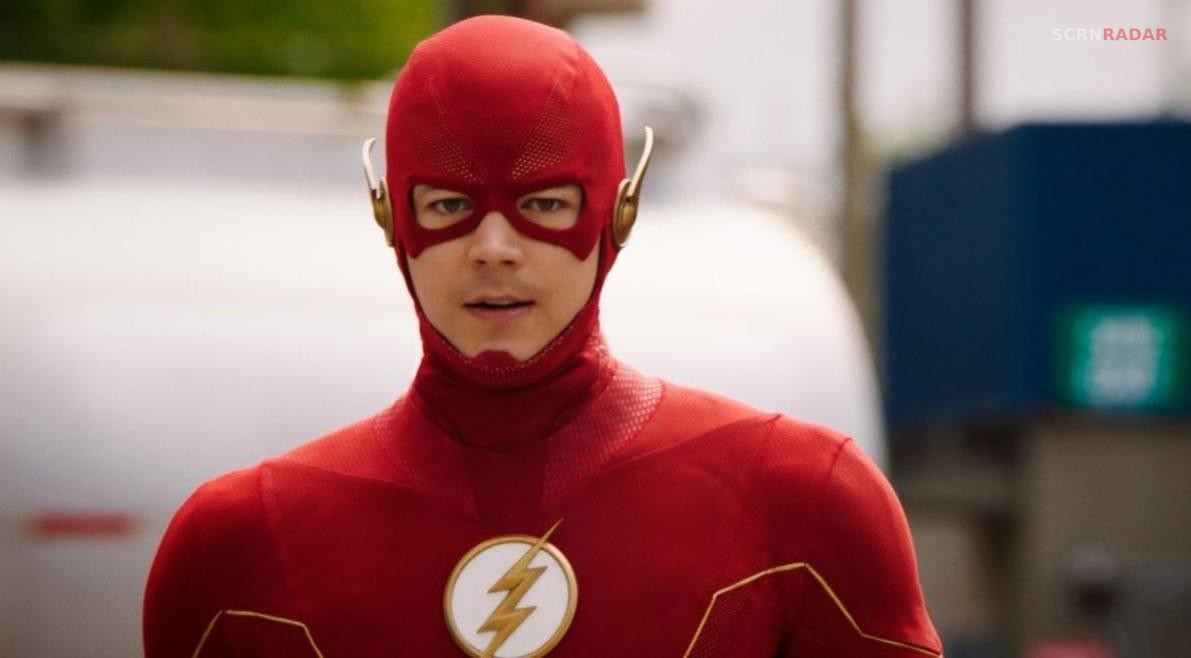
The Flash Season 7 is one of the most complex and divisive chapters in the Arrowverse, blending multiple story arcs, emotional character developments, and high-concept sci-fi ideas. Picking up directly after Season 6’s cliffhanger, the season deals with the fallout of the Mirrorverse storyline while introducing entirely new threats tied to the fundamental forces of the universe.
At its core, Season 7 focuses on Barry Allen struggling to regain his speed and identity after losing the Speed Force. Along the way, he faces villains both physical and psychological, while Team Flash evolves in unexpected ways. Characters like Iris West-Allen, Cisco Ramon, and Caitlin Snow also receive major developments that shape the future of the series.
For viewers confused by its shifting arcs and ambitious storytelling, this detailed explanation breaks down everything that happens in The Flash Season 7, including its major plotlines, villains, and ending.
The Mirrorverse Arc: Season 6’s Story Finally Concludes
Season 7 begins by wrapping up the Mirrorverse storyline that started in Season 6. Eva McCulloch, also known as Mirror Monarch, remains the central antagonist during the early episodes. Her plan revolves around replacing people in the real world with mirror duplicates, creating a controlled and “perfect” reality.
Barry starts the season without his speed, relying on artificial enhancements to function as The Flash. This version of Barry is colder and more calculated, highlighting how much his humanity is tied to the Speed Force. His relationship with Iris becomes strained as he prioritizes logic over emotion.
The arc concludes with Barry regaining his connection to the Speed Force through his love for Iris. Eva is ultimately defeated not through brute force, but by confronting her own distorted sense of justice. This resolution emphasizes the show’s recurring theme that emotional connection is Barry’s greatest strength.

The Return of the Speed Force
One of the most important developments in Season 7 is the rebirth of the Speed Force. After being destroyed in Season 6, the Speed Force is recreated through a combination of science and emotional energy, with Iris playing a key role in its restoration.
The Speed Force returns in a new form, taking on a physical avatar that resembles Barry’s mother. However, this version of the Speed Force behaves differently, displaying more aggressive and unpredictable tendencies. It views other emerging forces as threats that must be eliminated.
This shift creates tension between Barry and the Speed Force. Instead of being a purely supportive entity, it becomes a morally ambiguous force with its own agenda. This dynamic adds a new layer of complexity to Barry’s relationship with his powers.
The Forces Arc: Introducing New Cosmic Entities
The central storyline of Season 7 revolves around the introduction of the Strength Force, Sage Force, and Still Force. These forces are born alongside the Speed Force, each representing a different aspect of the universe.
Barry inadvertently becomes the “father” of these forces, creating a unique dynamic where he feels responsible for their actions. Each force manifests through a human host, leading to new villains and allies throughout the season.
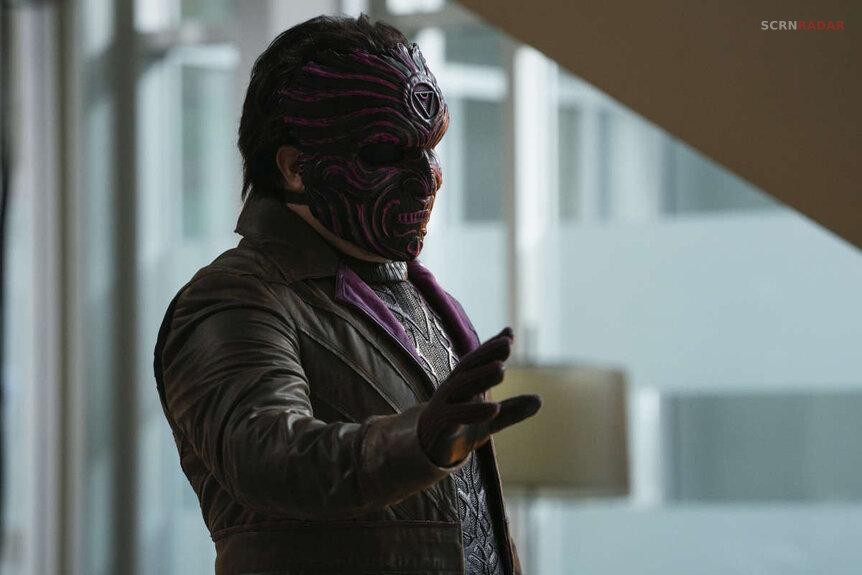
The Strength Force is represented by Fuerza, who embodies raw physical power. The Sage Force manifests through Psych, who uses fear and mental manipulation. The Still Force appears through Deon, who can control time-related phenomena. Together, they form a complex web of conflicts that drive the season’s narrative.
Why the Forces Arc Divided Fans
The Forces storyline is one of the most controversial aspects of Season 7. While it expands the show’s mythology, it also introduces concepts that some viewers found difficult to connect with emotionally.
One major criticism is the “family” dynamic between Barry and the forces. The idea that Barry acts as a parental figure to these cosmic entities felt unusual to many fans, especially given the high-stakes nature of the conflict.
Additionally, the tone of the arc shifts between serious and lighthearted, creating inconsistency. Despite this, the storyline explores important themes about responsibility, balance, and the unintended consequences of power.
Godspeed War: The Final Arc of Season 7
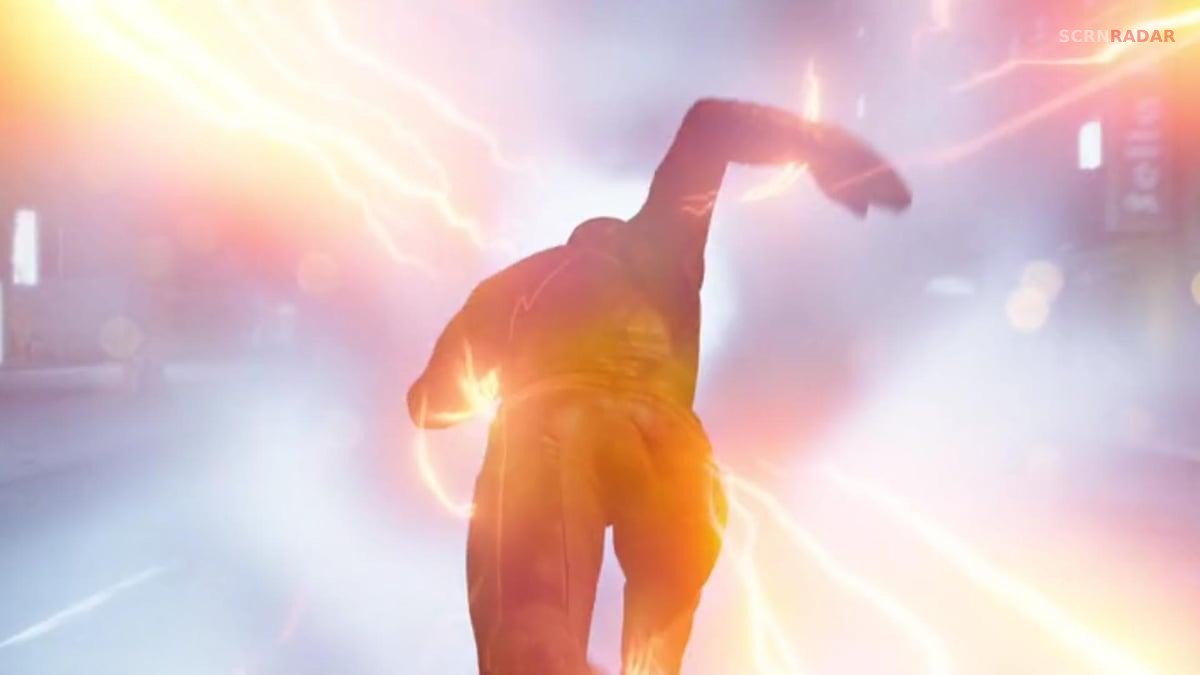
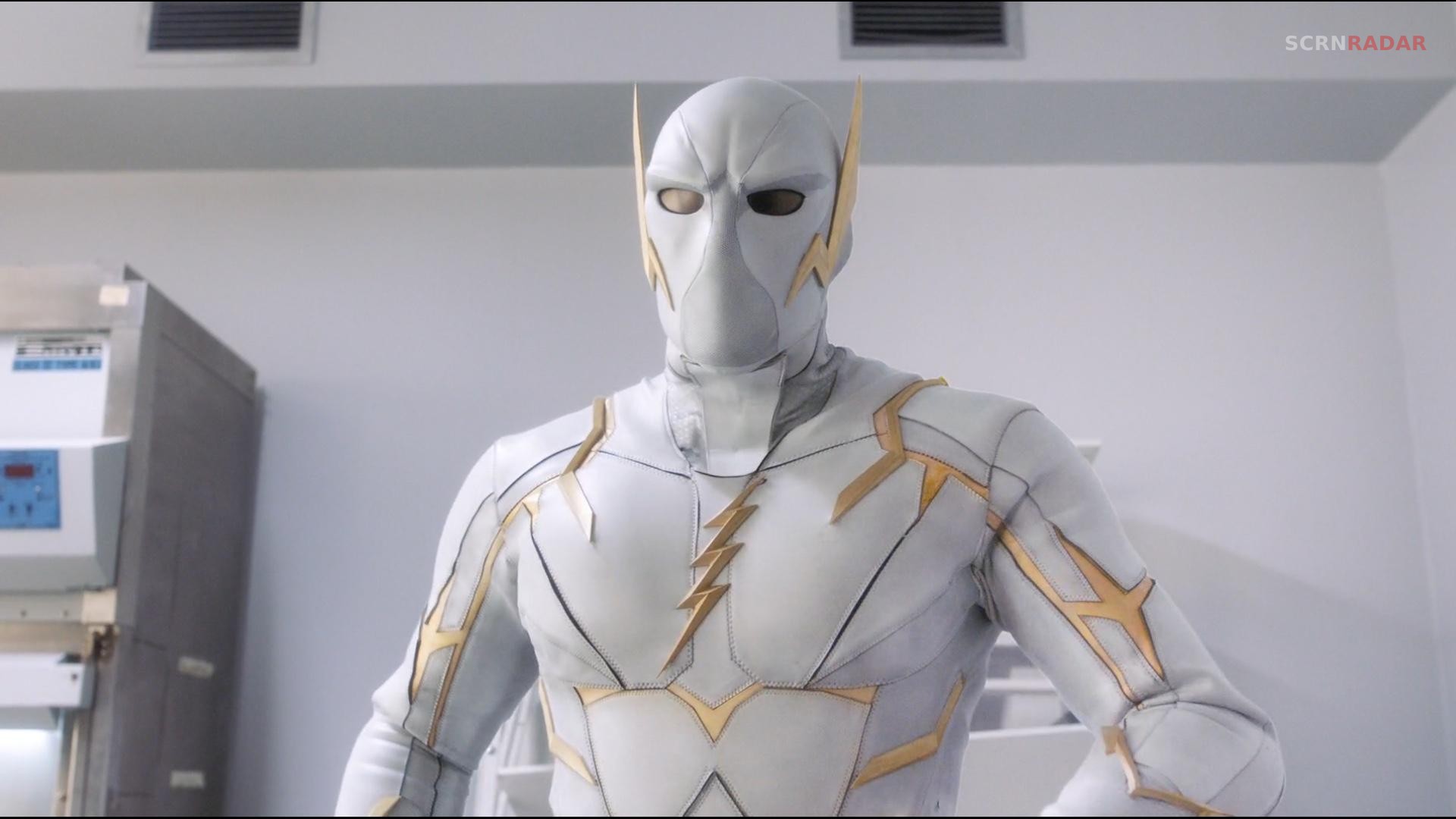
The latter part of Season 7 focuses on the Godspeed storyline, bringing back August Heart as a major antagonist. Godspeed’s arc introduces a more traditional speedster conflict, which many fans found refreshing after the abstract nature of the Forces storyline.
Godspeed’s plan involves creating an army of speedster clones to achieve ultimate power. His actions push Barry to his limits, forcing him to confront what it truly means to be the fastest man alive.
The arc also sees the return of familiar faces, including Eobard Thawne. The alliance between Barry and Reverse-Flash adds a dramatic twist, highlighting the complex relationship between hero and villain.
Barry Allen’s Character Growth
Throughout Season 7, Barry undergoes significant emotional development. He starts the season disconnected from his humanity, relying on logic and artificial enhancements. This version of Barry struggles to connect with his team and loved ones.
As the season progresses, Barry relearns the importance of emotion, empathy, and human connection. His journey is less about becoming faster and more about becoming a better person.
This growth is especially evident in how he handles conflicts. Instead of relying solely on speed or strength, Barry often seeks understanding and resolution. This approach reinforces the show’s core message about the power of compassion.
Iris West-Allen’s Expanded Role
Iris West-Allen plays a much larger role in Season 7 compared to previous seasons. Her connection to the Speed Force and her experiences in the Mirrorverse give her a deeper understanding of the forces at play.
Iris becomes a central figure in restoring balance, often acting as the emotional anchor for Barry and Team Flash. Her leadership skills also become more prominent, particularly in guiding the team through complex challenges.
This expanded role helps address past criticisms about her character, giving her more agency and narrative importance.
Cisco Ramon’s Departure
Season 7 marks the departure of Cisco Ramon, one of the original members of Team Flash. Cisco decides to leave Central City to pursue new opportunities, signaling a major shift for the team.
His exit is handled with emotional weight, reflecting his importance to the series. Cisco’s journey from comic relief to a key hero is one of the show’s most significant character arcs.
While his departure creates a noticeable gap, it also opens the door for new characters and storylines in future seasons.
The Ending Explained
The Season 7 finale brings together the various storylines in a high-stakes confrontation with Godspeed. Barry ultimately defeats him not just through speed, but by embracing teamwork and strategic thinking.
The alliance with Reverse-Flash plays a crucial role in the final battle. However, this partnership is temporary, as Thawne’s true nature remains unchanged. The ending reinforces the idea that some conflicts are never truly resolved.
The season concludes with a sense of transition. While major threats are defeated, the changes within Team Flash and the broader universe set the stage for future challenges.
What Season 7 Sets Up for the Future
Season 7 lays the groundwork for future storylines in The Flash. The introduction of new forces expands the show’s mythology, creating opportunities for further exploration.
Character changes, including Cisco’s departure and Iris’s growth, signal a shift in the team’s dynamic. These developments ensure that the series continues to evolve rather than remain static.
The unresolved tension with Reverse-Flash also hints at future conflicts. His presence remains a constant threat, ensuring that Barry’s journey is far from over.
The Flash Season 7 is an ambitious and experimental chapter that attempts to push the series in new directions. While not every storyline resonates equally, the season offers important character development and expands the show’s mythology in meaningful ways.
From the emotional resolution of the Mirrorverse arc to the high-energy Godspeed finale, Season 7 delivers a mix of introspection and action. Its focus on themes like family, responsibility, and balance adds depth to the narrative, even when the execution feels uneven.
For fans looking to understand The Flash Season 7 explained, the key takeaway is this: it is a season about rebuilding. Barry rebuilds his connection to the Speed Force, his identity, and his relationships, setting the stage for what comes next in the Arrowverse.
Team Flash plays a crucial role throughout Season 7, even as its dynamics begin to shift. Characters like Caitlin Snow and Frost continue to operate both together and independently, with Frost facing legal consequences that add a grounded layer to the story.
Chester P. Runk becomes more prominent, stepping into Cisco’s shoes as the team’s tech expert while bringing his own personality and emotional depth. These changes highlight how the team adapts to new challenges without losing its core identity. Season 7 uses these evolving roles to show that The Flash is not just about Barry, but about the strength of the entire team working together.
Season 7 stands out for its willingness to experiment with new ideas, particularly through the Forces storyline and its emotional focus. The show attempts to deepen its mythology while exploring themes of family and responsibility in a more symbolic way. However, this ambition also leads to uneven pacing and tonal inconsistencies, especially when transitioning between arcs.
Some villains lack the impact of earlier seasons, which affects the tension. Despite these flaws, the season succeeds in delivering meaningful character growth and setting up future storylines, making it an important, if imperfect, chapter in The Flash’s journey.