The Crown Season 1 is more than just a retelling of royal history. Created by Peter Morgan, the series explores the deeply personal cost of power through the early reign of Queen Elizabeth II. Across ten episodes, viewers witness Elizabeth’s transition from a young woman steering marriage and family life to a monarch bound by duty above all else.
By the time the finale arrives, the emotional stakes are at their highest. Relationships have been strained, personal identities reshaped, and the weight of the crown has become undeniable. The ending does not rely on dramatic twists. Instead, it delivers a quiet yet powerful conclusion that captures the essence of leadership, sacrifice, and transformation.
Let’s break down The Crown Season 1 ending, its key moments, and what it ultimately reveals about Elizabeth’s journey as queen.
Elizabeth’s Transformation: From Princess to Sovereign
The central arc of Season 1 revolves around Elizabeth’s transformation. At the beginning, she is portrayed as a young woman still learning how to balance her personal life with her responsibilities. By the finale, that version of Elizabeth no longer exists.
Played by Claire Foy, Elizabeth evolves into a figure defined by restraint, composure, and unwavering commitment to duty. The ending reinforces this shift. She is no longer guided by emotion or personal preference. Every decision is filtered through the lens of the monarchy.
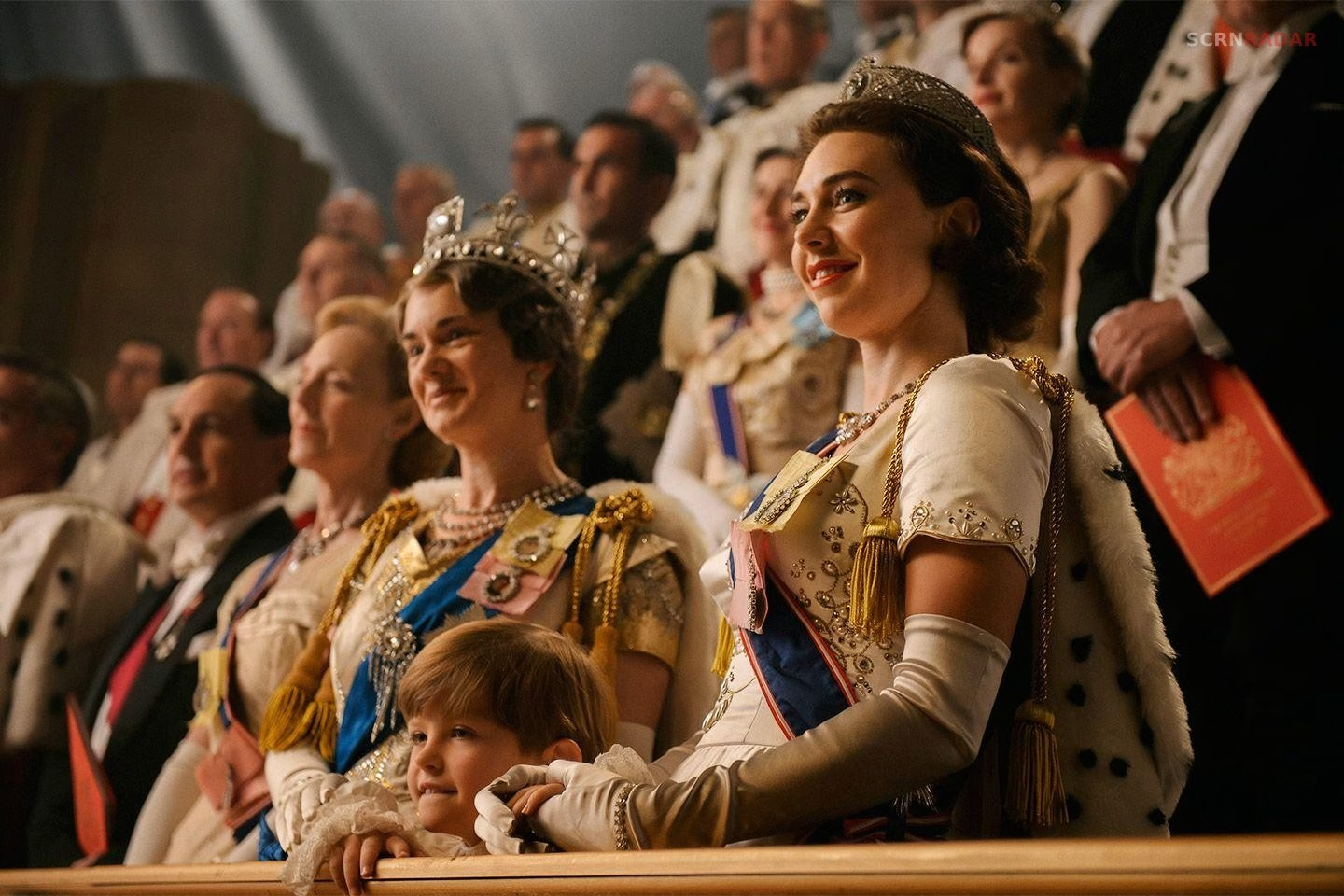
This transformation is not presented as triumphant. It feels isolating.
The finale highlights that becoming queen is not about gaining power. It is about losing parts of oneself in the service of something larger.
Prince Philip’s journey is one of the most compelling aspects of Season 1. Portrayed by Matt Smith, Philip struggles with his role in a world where his wife holds ultimate authority.
Throughout the season, he grapples with insecurity, loss of identity, and the constraints placed upon him. The finale brings this tension to a head.
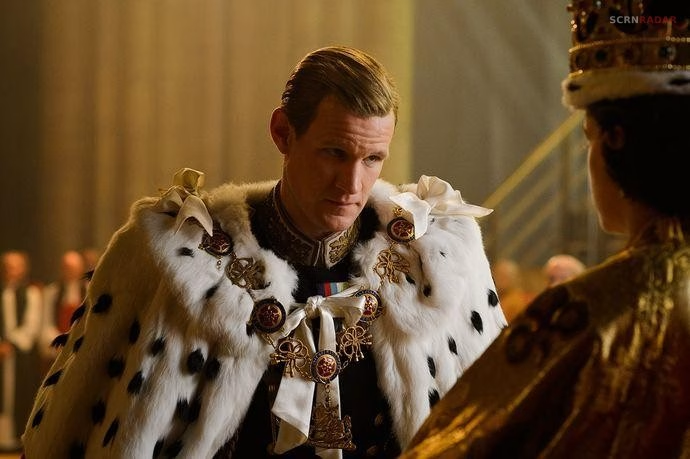
The moment when Philip kneels before Elizabeth is particularly significant. It symbolizes his acceptance of her authority, not just as his wife but as his queen.
This act is not simply about tradition. It represents a turning point in their relationship.
Philip’s journey underscores one of the show’s key themes. Power not only affects those who hold it. It reshapes everyone around them.
The Churchill Farewell: The End of an Era
Another major element of the ending is the departure of Winston Churchill, portrayed by John Lithgow.
Churchill’s storyline throughout the season reflects the passing of an old guard. His eventual resignation marks a shift in political and historical leadership.
The finale treats his farewell with respect and emotional weight. Despite his flaws, Churchill is portrayed as a figure deeply connected to Britain’s identity.
His final interactions with Elizabeth highlight mutual respect. There is a sense that both characters understand the burdens of leadership, even if they carry them in different ways.
This subplot reinforces the idea that Season 1 is not just about Elizabeth’s rise. It is about a broader transition in history.
At its core, the ending of The Crown Season 1 is about duty. Elizabeth’s decisions throughout the finale emphasize that her role as queen takes precedence over everything else, including her personal relationships.
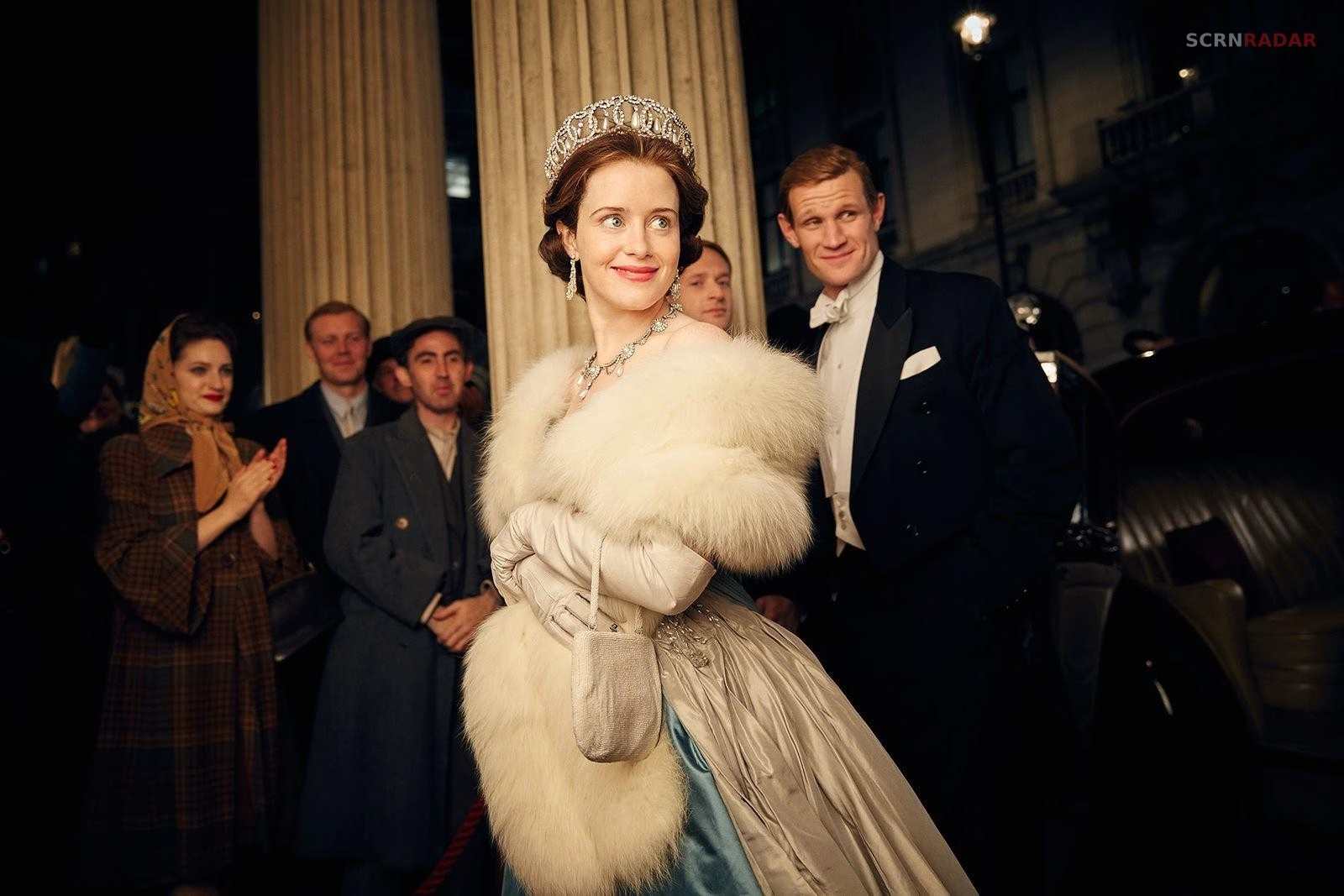
This is most evident in how she handles conflicts within her marriage and the monarchy. Instead of choosing what feels right emotionally, she chooses what is expected of her as a sovereign.
The show makes it clear that this choice comes at a cost. Elizabeth becomes more distant, more controlled, and more isolated. The ending suggests that this is the reality of leadership at the highest level.
There is no balance between personal happiness and royal duty. One must be sacrificed for the other.
The Final Scene Explained: What It Really Means
The final moments of Season 1 are subtle but deeply symbolic.
Elizabeth is shown fully embracing her role as queen. The framing of the scene emphasizes her isolation. She is surrounded by grandeur, yet emotionally distant from those closest to her. This visual contrast is intentional.
It reflects the central message of the season. Power and responsibility come with a price. The higher one rises, the more isolated one becomes.
The ending does not offer resolution in the traditional sense. Instead, it sets the tone for what lies ahead.
Elizabeth’s journey is far from over. In many ways, it has only just begun.
One of the reasons The Crown resonates so strongly is its blend of historical events and dramatic storytelling.
While the series is rooted in real history, it takes creative liberties to explore the emotional and psychological aspects of its characters.
The Season 1 ending reflects this approach. It captures the essence of Elizabeth’s early reign while focusing on the human side of her experience.
This balance allows the show to feel both authentic and engaging.
For viewers, it offers more than just a history lesson. It provides insight into the complexities of leadership and the personal sacrifices that come with it.
Why The Crown Season 1 Ending Still Stands Out
The ending of The Crown Season 1 stands out because of its restraint.
Instead of relying on dramatic twists or spectacle, it delivers a quiet, character-driven conclusion. Every moment feels earned, and every decision carries weight.
The performances, particularly by Claire Foy and Matt Smith, heighten the material. Their chemistry and emotional depth make the relationships feel real and impactful.
The writing also deserves recognition. It avoids simplifying complex issues, allowing viewers to engage with the story on a deeper level.
This combination of strong performances, thoughtful writing, and historical context makes the ending memorable.
The ending of The Crown Season 1 is a masterclass in subtle storytelling.
It captures the essence of Queen Elizabeth II’s transformation while exploring the broader themes of duty, identity, and sacrifice. The finale does not provide easy answers. Instead, it leaves viewers with a deeper understanding of what it means to lead.
Elizabeth’s journey is both inspiring and tragic. She gains power but loses a sense of personal freedom. That duality is what makes the ending so powerful.
As the series moves forward, this foundation becomes crucial. Season 1 sets the stage for a story that is as much about history as it is about the human cost behind it.