The Bear Season 2 Episode 6, titled Fishes, is widely regarded as one of the most intense and emotionally layered episodes of the series. Instead of focusing on the present-day restaurant struggles, the episode takes viewers back to a chaotic Christmas dinner that defines the Berzatto family dynamic. What unfolds is not just a family gathering but a slow, suffocating descent into emotional disorder, unresolved trauma, and generational dysfunction.
From the very beginning, the episode establishes a sense of unease that never truly fades. Conversations overlap, tensions simmer beneath the surface, and every interaction feels like it could erupt at any moment. By the time the episode reaches its surprising ending, the emotional pressure that has been building finally explodes in a way that feels both devastating and inevitable. To fully understand Carmy’s character and the emotional weight he carries, breaking down this ending becomes essential.
The Pressure Cooker Setup: Why the Dinner Feels So Uncomfortable
“Fishes” is structured in a way that mirrors a pressure cooker slowly building steam. The Christmas setting initially suggests warmth and togetherness, but that illusion quickly fades as the family dynamics begin to unravel. Each character brings their own emotional baggage, and the confined space only amplifies their conflicts.

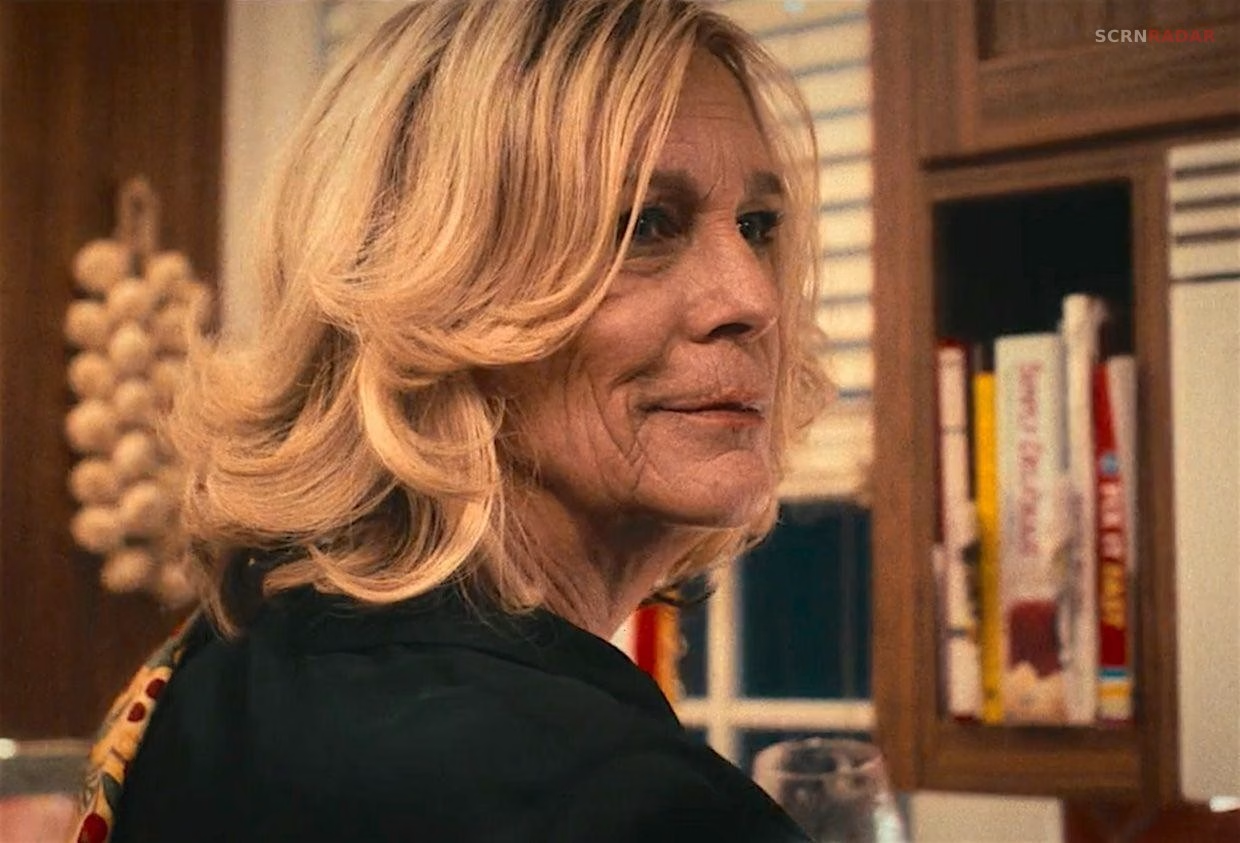
Donna, the matriarch, is at the center of this chaos. Her frantic energy dominates the room as she obsessively tries to prepare the perfect meal. What might seem like dedication quickly reveals itself as something deeper and more troubling. Her need for control reflects an underlying instability, and every small disruption pushes her closer to the edge.
Meanwhile, the rest of the family contributes to the tension in different ways. Arguments break out over seemingly trivial matters, but they are clearly rooted in long-standing issues. The noise level, constant interruptions, and lack of emotional boundaries create an environment where no one feels safe or heard. Carmy’s quiet presence stands out, as he observes rather than participates, hinting at his internal struggle to process everything around him.
As the dinner progresses, Donna’s mental state deteriorates more visibly. Her attempts to maintain control become increasingly desperate, and her interactions grow more erratic. She oscillates between moments of forced cheerfulness and sudden outbursts, creating an unpredictable atmosphere that keeps everyone on edge.
The turning point comes when the pressure becomes unbearable. Donna begins to feel unappreciated and overwhelmed, believing that her efforts are going unnoticed or criticized. This perception, whether accurate or not, triggers a deeper emotional response tied to feelings of inadequacy and isolation.
Her breakdown is not sudden but the result of everything that has been building throughout the episode. Every argument, every interruption, and every unmet expectation contributes to her collapse. The show carefully constructs this moment so that when it happens, it feels tragically inevitable rather than surprising.
The Car Crash Ending Explained: Symbolism and Impact
The episode reaches its climax when Donna drives her car into the house, a moment that is as stunning as it is symbolic. On a literal level, it is a violent and chaotic act that brings the evening to an abrupt end. On a deeper level, it represents the emotional destruction that has been unfolding throughout the episode.
This act can be seen as a manifestation of Donna’s inability to cope with her emotions. Instead of expressing her pain in a constructive way, it erupts in a destructive outburst that affects everyone around her. The car crashing into the house serves as a visual metaphor for how her unresolved issues invade and damage the lives of her family members.
For the other characters, this moment is both traumatic and defining. It reinforces the instability of their home environment and leaves a lasting impact that shapes their future behavior. The chaos of the crash mirrors the emotional chaos that has been present all along, making it a powerful culmination of the episode’s themes.
One of the most important aspects of the episode is Carmy’s reaction, or lack of one. Throughout the dinner, he remains largely silent, observing the chaos without actively engaging in it. This silence speaks volumes about his character and how he processes trauma.
Rather than confronting the dysfunction around him, Carmy internalizes it. He absorbs the tension and pain, storing it rather than expressing it. This coping mechanism explains much of his behavior in the present timeline, where he struggles with emotional vulnerability and often retreats into his work.
The car crash serves as a defining moment for him, reinforcing his instinct to withdraw. It highlights the environment he grew up in and provides crucial context for his anxiety and perfectionism. Understanding this moment helps explain why Carmy finds it so difficult to build healthy relationships and maintain balance in his life.

“Fishes” goes beyond individual characters to explore the concept of generational trauma. Donna’s behavior does not exist in isolation but is part of a larger pattern that affects the entire family. Her emotional instability creates an environment where her children are forced to adapt in different ways.
Carmy’s tendency to shut down is one response, while other family members express their struggles more openly through anger or conflict. This variety of reactions shows how trauma can manifest differently depending on the individual. The episode suggests that these patterns are not easily broken, especially when they are deeply ingrained.
The dinner scene becomes a microcosm of these dynamics, illustrating how past experiences continue to influence present behavior. It also raises questions about whether the cycle can ever be broken, adding another layer of complexity to the narrative.
Why This Episode Redefines The Bear’s Storytelling
“Fishes” stands out not just for its content but for its storytelling approach. By focusing entirely on one event, the episode creates an intense and immersive experience that allows viewers to fully engage with the characters’ emotions. The lack of traditional plot progression is replaced by a deep exploration of relationships and psychological tension.
This approach elevates the series, showing that it is not just about the restaurant industry but about the people within it. The episode provides essential context that enriches the overall narrative, making future events more meaningful.
It also challenges viewers by refusing to offer easy resolutions. The chaos is not neatly resolved, and the emotional wounds remain open. This realism adds to the episode’s impact, making it one of the most memorable installments of the series.