Sylvester Stallone is standing by his support for artificial intelligence in filmmaking after facing criticism for proposing a movie that combines human performances with AI technology. During an appearance on ">The Overlap podcast, the Hollywood veteran argued that the industry cannot prevent AI from becoming part of its future.
Stallone acknowledged the backlash surrounding his idea but maintained that filmmakers should consider the technology’s possibilities.
“I get in trouble for this [but] AI is here to stay,”
Stallone said, explaining that his proposal to combine human performers with AI had prompted strong reactions.
STALLONE SAYS HOLLYWOOD CANNOT STOP AI’S RISE
Stallone believes the entertainment industry will have to adapt as AI-generated performances and digital likenesses become more common. He also pointed to the possibility of celebrities licensing their images for digital recreations.
“I would take that risk,”
the actor said, acknowledging that creative professionals have legitimate concerns even as he argued that technological progress is difficult to stop.
He also recognized that the concerns raised by Hollywood’s creative community are valid, even if he believes resisting AI entirely is unrealistic. His comments add to an ongoing debate over how the technology could affect performers, filmmakers, and production jobs.
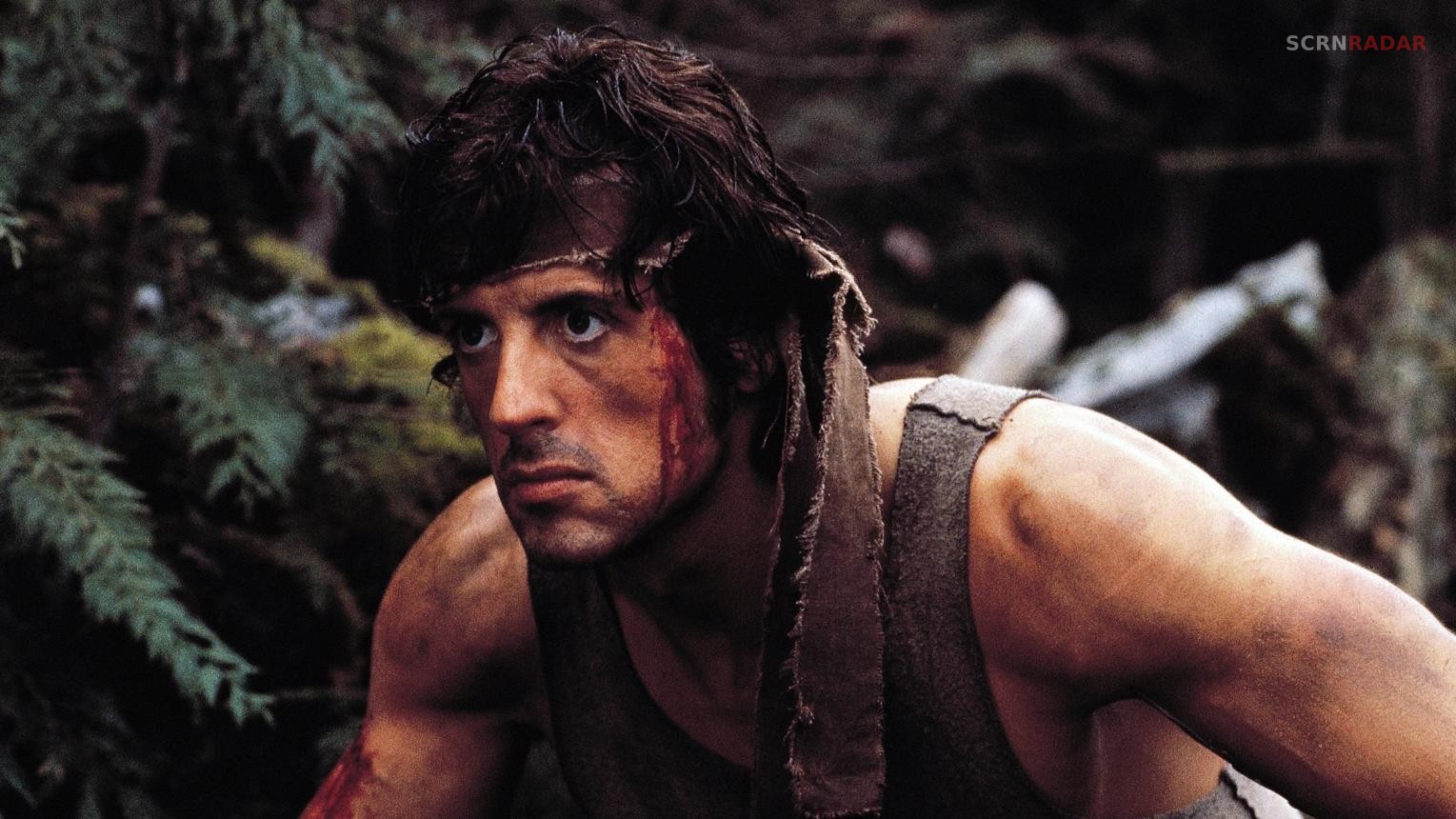
Stallone previously pitched an AI-assisted Rambo prequel that would have digitally recreated him as a younger version of the iconic action hero. During a 2025 appearance on The Playlist’s Bingeworthy podcast, he explained his vision of portraying Rambo at 18 years old.
“Everyone thought I was crazy,”
Stallone recalled, arguing that existing technology could make the concept possible.
However, Stallone is not involved in the John Rambo origin movie currently in development, which has Noah Centineo attached to play the younger version of the character.
Despite his enthusiasm for AI’s creative potential, Stallone acknowledged that the technology could make an acting career even more challenging for newcomers.
The actor specifically mentioned his daughter, Scarlet Rose Stallone, who is pursuing acting. He said he had encouraged her to consider other opportunities, including gaming, as AI changes the entertainment landscape.
His comments highlight the contradiction at the heart of Hollywood’s AI debate. The technology could offer filmmakers new ways to tell stories and recreate younger versions of established stars, but it could also create additional obstacles for emerging performers.
For Stallone, AI is a development the industry must confront rather than ignore. Whether Hollywood embraces his vision remains uncertain, but the debate over human creativity and artificial intelligence is far from over.