Steven Spielberg has once again made his stance on streaming platforms clear, and this time, he has attached a surprisingly nostalgic condition. In a recent interview, the Oscar-winning filmmaker stated that he would only consider working with Netflix if the company returned to its original DVD-by-mail model, highlighting his long-standing preference for traditional movie experiences.
The comment, made during an interview with ITV News, reflects Spielberg’s consistent belief that cinema should be experienced on the big screen rather than confined to home viewing. While streaming continues to dominate the entertainment industry, the director remains one of its most prominent skeptics.
Spielberg’s Unusual Condition for Netflix
Speaking candidly, Spielberg explained that he would be open to collaborating with Netflix, but only under a very specific condition tied to its early business model.
“So, the idea of sending little cassettes, little DVDs, you know, to individuals to watch a movie — if I did that, I would be happy to work for Netflix,”
he said. He added that such a format would still allow his films to reach millions, even if viewed at home.
However, Spielberg made it clear that his preference lies elsewhere.
“But I’m a movie maker, and I believe in big motion picture, 70-millimeter theatrical experiences,”
he emphasized, reinforcing his commitment to cinema as a large-scale, immersive medium.
This is not the first time Spielberg has voiced concerns about the rise of streaming platforms. His skepticism dates back several years, particularly regarding how streaming films are categorized within the film industry.
In a 2018 interview with Variety, Spielberg argued that movies released primarily on streaming platforms should not be eligible for Academy Awards. “Once you commit to a television format, you’re a TV movie,”
he said at the time.
“If it’s a good show, you deserve an Emmy, but not an Oscar.”
These comments sparked widespread debate within Hollywood, especially as streaming services like Netflix began producing award-winning films and competing directly with traditional studios.
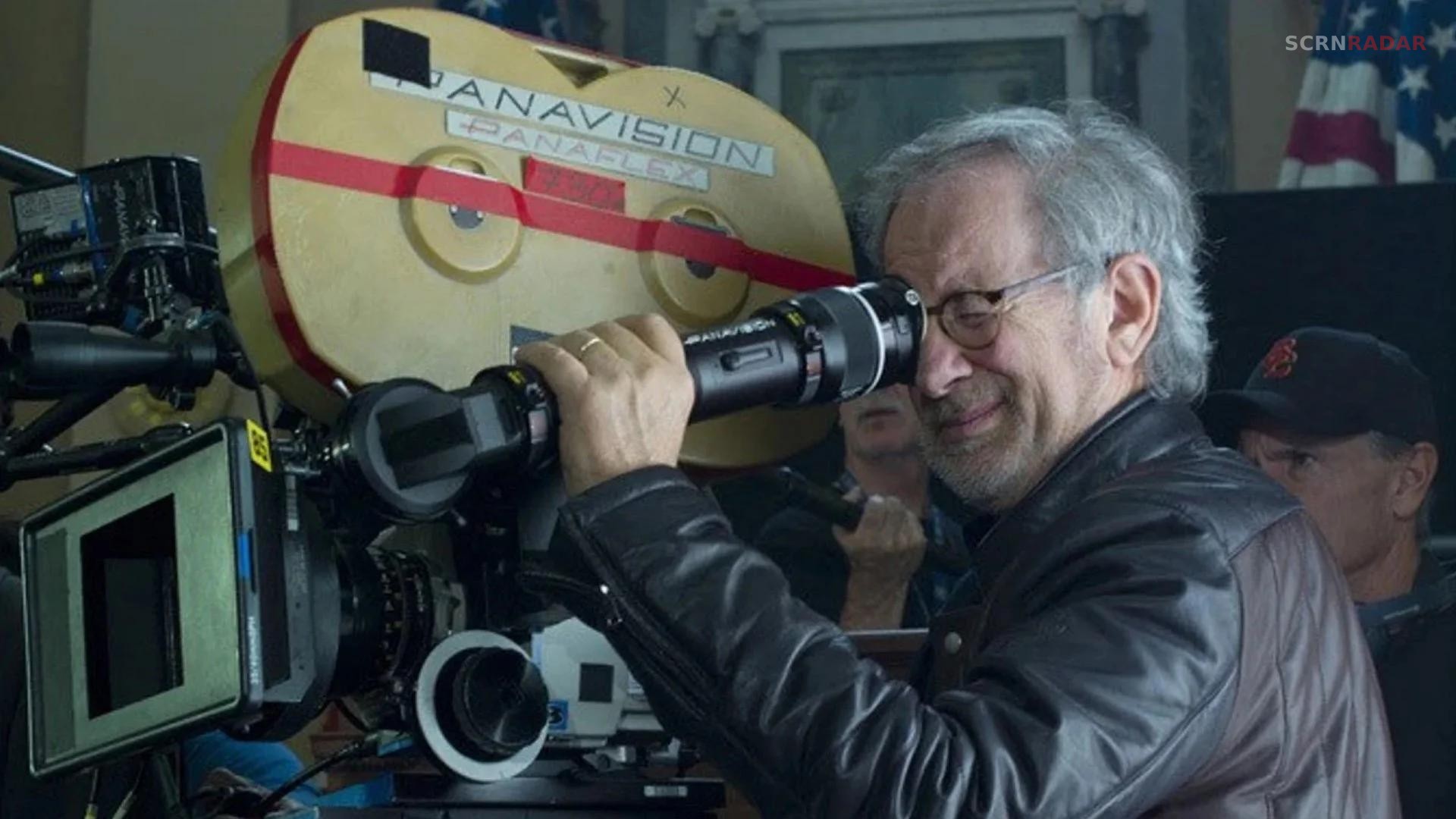
The Theatrical Experience Still Matters
At the heart of Spielberg’s perspective is his belief in the communal and technical aspects of cinema. For him, filmmaking is not just about storytelling but also about how that story is experienced by audiences.
Large-format screenings, immersive sound design, and the shared experience of watching a film in a theater remain essential elements of his creative vision. While streaming platforms prioritize accessibility and convenience, Spielberg continues to advocate for preserving the theatrical model that defined much of 20th-century filmmaking.
His comments also arrive at a time when the industry is still navigating the balance between theatrical releases and digital distribution, particularly after the pandemic accelerated the shift toward streaming.
The interview also touched on Spielberg’s upcoming project, Disclosure Day, which is set for release in the United States. The film explores themes related to unidentified aerial phenomena and government disclosures, inspired by renewed public interest in the subject around 2017.
Spielberg revealed that the idea began with a detailed treatment he developed before bringing in Jurassic Park screenwriter David Koepp to expand the concept into a full script. The film features a high-profile cast, including Emily Blunt, Colin Firth, and Colman Domingo.
Discussing the topic of extraterrestrial disclosure, Spielberg suggested that public reactions could vary widely. Some people, he said, may accept the news calmly, while others “will feel an ontological shock of social dislocation,” as it challenges their understanding of reality.