Duncan Jones’ Source Code is a gripping science-fiction thriller that combines mystery, action, and emotional drama with an inventive take on time travel. Starring Jake Gyllenhaal as Captain Colter Stevens, the 2011 film follows a soldier who repeatedly relives the final eight minutes before a commuter train explodes. His mission is to identify the bomber and prevent a second, much larger terrorist attack.
While the movie initially presents the Source Code program as a tool for investigating past events, its ending completely changes how viewers understand the technology. Instead of simply replaying memories, the final sequence suggests something much more profound about time, reality, and alternate timelines. Here’s what the ending of Source Code really means and how the time loop affects the film’s conclusion.
How the Final Mission Changes Reality
Throughout the film, Captain Colter Stevens is repeatedly sent into the final eight minutes of passenger Sean Fentress’ life aboard the doomed train. The military insists these missions cannot change the past because the Source Code only accesses residual memories from the victims. Stevens eventually discovers the bomber, Derek Frost, allowing authorities in the original timeline to prevent a second attack in downtown Chicago.
Before completing his final mission, Stevens asks Captain Goodwin to disconnect his life support once his work is finished. Having learned that his real body is barely alive after suffering fatal injuries in Afghanistan, he chooses to die with dignity rather than remain permanently connected to the experiment. However, he also requests one final trip into the Source Code so he can try to save everyone aboard the train.
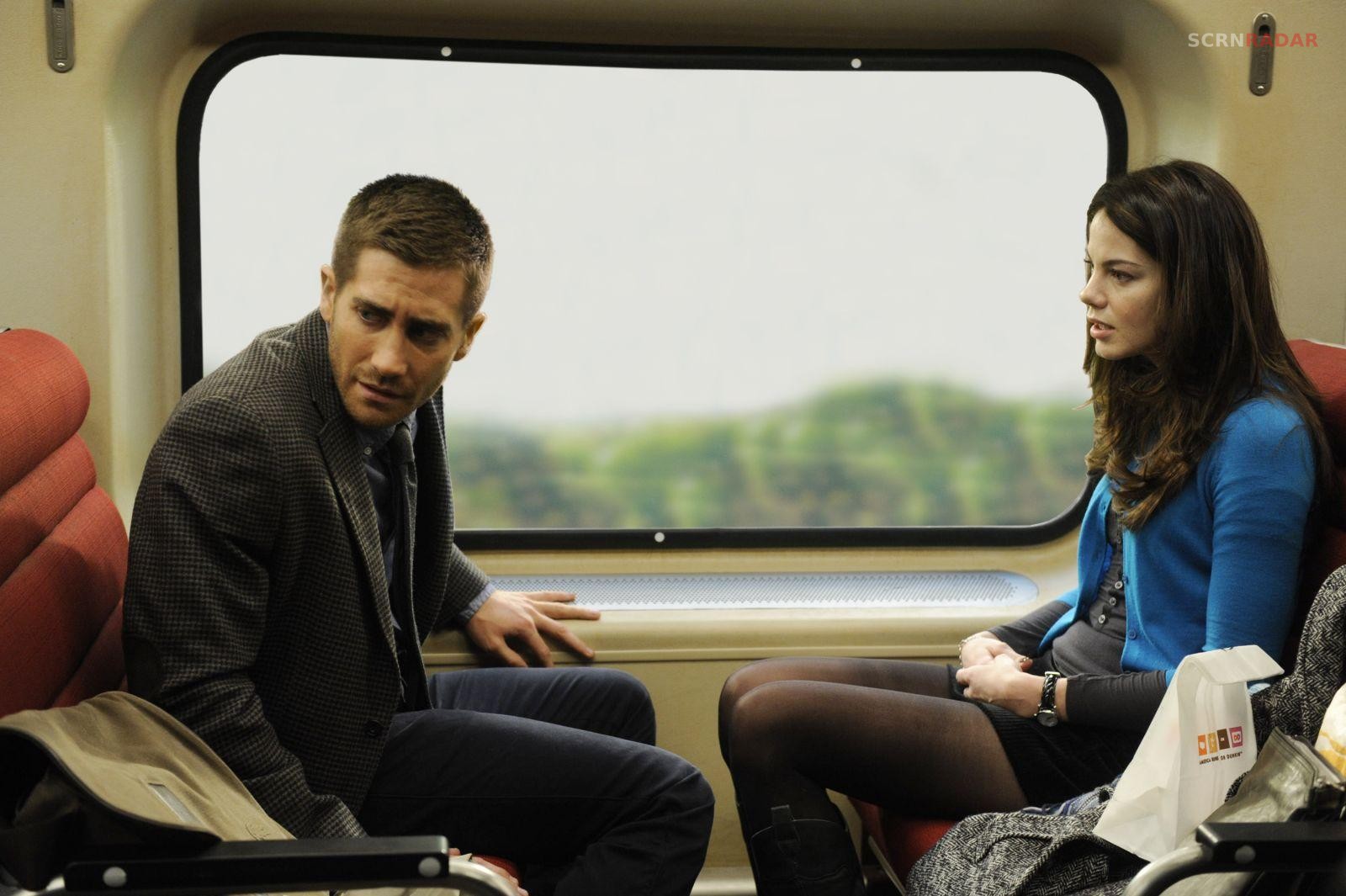
This last mission unfolds differently from every previous attempt. Stevens successfully stops the bomb from exploding, captures Frost, and shares an emotional farewell with Christina. Instead of the simulation ending after eight minutes as expected, time continues moving forward, revealing that the Source Code has created—or accessed—a completely separate timeline where the passengers survive and Stevens continues living inside Sean Fentress’ body.
The email Stevens sends to Goodwin in this new reality confirms that the timeline exists independently rather than disappearing after the mission ends. Meanwhile, in the original reality, Goodwin honors her promise by disconnecting Stevens’ life support after he identifies the terrorist. As a result, two realities now exist: one where Stevens dies after completing his mission and another where he receives an unexpected second chance at life.
Rather than functioning as a traditional time loop, Source Code ultimately embraces the idea of branching realities. Stevens never rewrites his original past, but his actions create a future where innocent lives are saved and he can begin again. The ending transforms the film from a simple race against time into a thoughtful exploration of sacrifice, destiny, and the possibility that every choice can open the door to an entirely new reality.