Silo has steadily built one of the most compelling dystopian mysteries in modern television, blending slow-burn tension with layered worldbuilding. Based on Wool by Hugh Howey, the series explores a society living underground, convinced that the outside world is toxic and uninhabitable. Season 2 pushes that mystery further by expanding beyond a single silo and questioning everything the characters have been told.
By the time the finale arrives, the show begins answering long-standing questions while raising even bigger ones. What is really outside the silo? Who controls the system? And why are people forced to live under such strict rules? The ending does not offer simple answers, but it reframes the entire narrative.
Let’s break down the Silo Season 2 ending, what Juliette Nichols discovers, and how the finale sets up the future of the story.
What Happens in the Silo Season 2 Finale?
The Season 2 finale brings together multiple storylines that have been building across the season. Juliette Nichols, who previously left her silo at the end of Season 1, continues her journey in the outside world while uncovering surprising truths about the system controlling humanity.
Inside the silo, tensions reach a breaking point. Bernard Holland tightens his grip on power as unrest grows among the population. The strict rules that once maintained order begin to feel more like tools of control, leading to growing resistance from those who question the truth.
The finale intercuts between Juliette’s discoveries outside and the escalating conflict inside. This dual narrative highlights the central theme of the show, which revolves around knowledge versus control. By the end, both threads collide in a way that changes the stakes moving forward.

What Does Juliette Discover Outside the Silo?
One of the most important aspects of the ending is Juliette’s exploration of the outside world. Unlike what the silo’s leadership claims, the environment is not entirely lifeless. While it remains dangerous, it is not the absolute death sentence people were led to believe.
Juliette’s survival proves that the narrative fed to silo residents is incomplete. The toxic conditions are real in certain areas, but there are also signs that the world may be slowly recovering. This revelation undermines the entire foundation of the silo’s control system.
She also discovers the existence of other silos, confirming that her home is not unique. This expands the scope of the story dramatically, suggesting a large-scale system designed to manage human populations. The realization that multiple silos exist raises new questions about who built them and why.
The Truth About the Silo System
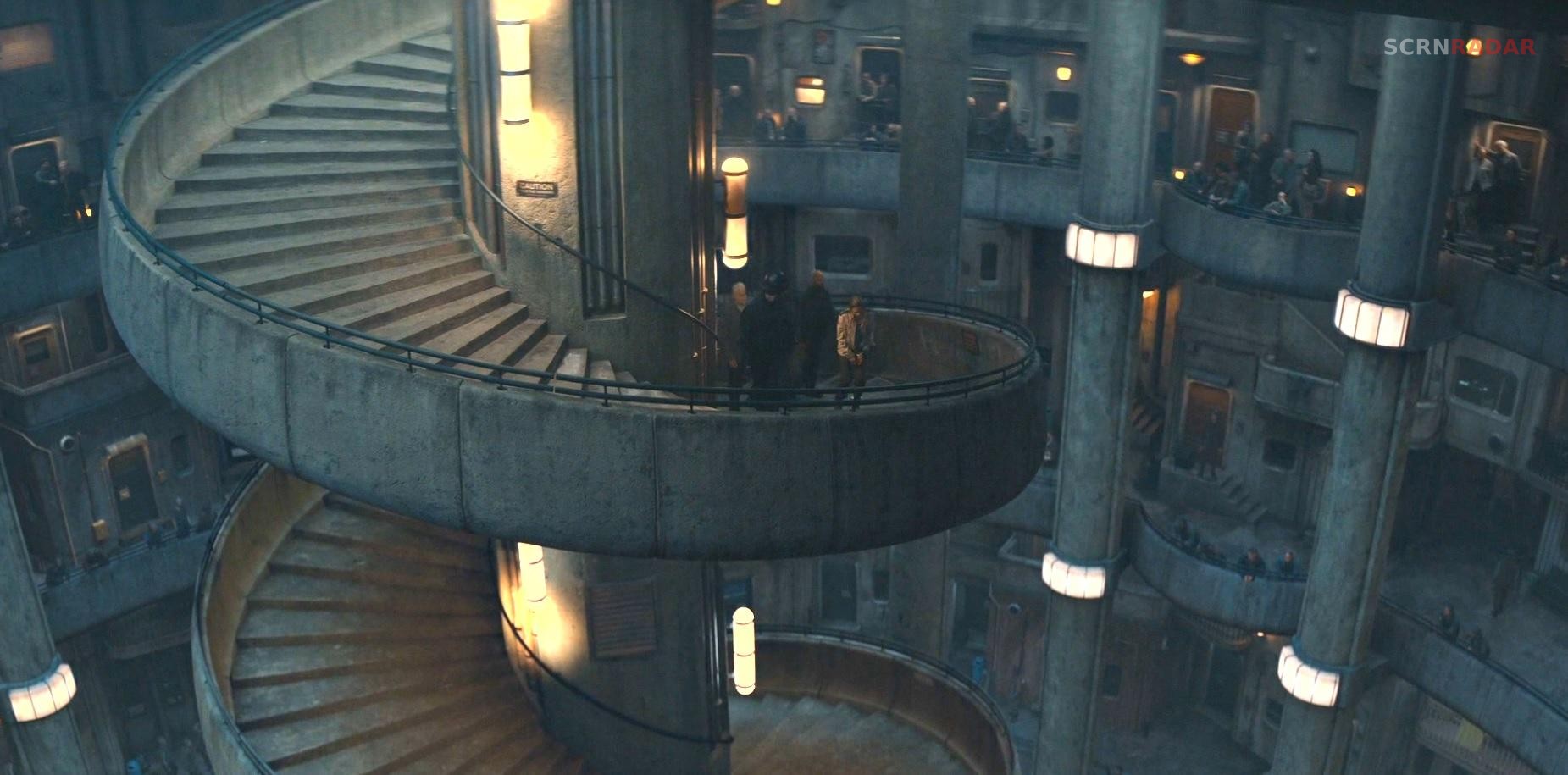
The finale strongly implies that the silos are part of a coordinated system rather than isolated shelters. Each silo appears to operate under similar rules, with leadership structures designed to suppress dissent and maintain order.
The concept of “cleaning” remains central to this control. People who are sent outside are expected to clean the sensors, reinforcing the illusion that the outside world is deadly. However, Juliette’s experience challenges this narrative, suggesting that the system relies heavily on psychological manipulation.
The presence of advanced technology within the silos further supports the idea of deliberate design. These are not makeshift bunkers but carefully engineered environments with long-term sustainability in mind. The people in charge are not just maintaining order, but preserving a specific version of reality.
Bernard Holland’s Role in the Ending
Bernard Holland becomes one of the most critical figures in the finale. As the head of IT, he represents the authority that enforces the silo’s rules and protects its secrets.
In Season 2, Bernard’s actions become more aggressive as he attempts to maintain control. He is fully aware of the larger system and understands the consequences of widespread rebellion. For him, the strict rules are not just about power but about survival.
The finale suggests that Bernard is not the ultimate authority but a piece of a much larger hierarchy. His decisions are influenced by protocols that likely extend beyond a single silo. This revelation adds complexity to his character, portraying him as both a villain and a reluctant enforcer of a greater system.
Why Are People Forced to Stay in the Silo?
The ending reinforces the idea that the silo exists to protect humanity, but not necessarily in the way its residents believe. The restrictions are designed to prevent chaos and ensure long-term survival, even at the cost of personal freedom.
The fear of the outside world is a key tool in maintaining order. By convincing people that leaving the silo means certain death, the system eliminates the desire to escape. This creates a self-sustaining cycle where the population polices itself.
However, Juliette’s survival breaks this cycle. Once the idea spreads that the outside world may not be entirely uninhabitable, the system’s foundation begins to crack. The finale sets up a potential shift where knowledge becomes more powerful than fear.
The Importance of “Cleaning” in the Finale
The concept of cleaning has always been one of the most mysterious elements of Silo. In the finale, it becomes clear that this ritual serves both practical and psychological purposes.

On a practical level, cleaning ensures that the external sensors remain functional. This allows the silo’s residents to see the outside environment, reinforcing the illusion of a barren world. On a psychological level, it acts as a public display of punishment and obedience.
Juliette’s refusal to conform to expectations during her own cleaning is a turning point. By surviving and moving beyond the expected boundaries, she disrupts the narrative that has controlled the population for generations. This act becomes symbolic of resistance and truth.
How the Ending Expands the World of Silo
One of the most significant aspects of the Season 2 ending is its expansion of the story’s scale. The revelation of multiple silos transforms the narrative from a contained mystery into a global one.
This shift opens the door to new characters, new locations, and new conflicts. It suggests that humanity’s survival is being managed on a much larger scale than previously imagined. The existence of multiple silos also raises questions about communication and coordination between them.
The finale hints at the possibility of exploring other silos in future seasons. Each silo may have its own version of the truth, creating opportunities for contrasting perspectives. This expansion adds depth to the story while maintaining its central themes.
What the Ending Means for Juliette Nichols
Juliette emerges from the finale as a key figure in challenging the system. Her journey from mechanic to truth-seeker positions her as a catalyst for change.
Her survival outside the silo gives her knowledge that no one else possesses. This makes her both a threat to those in power and a potential leader for those seeking answers. The ending sets her up as a bridge between the controlled world of the silo and the uncertain reality outside.

At the same time, her situation remains precarious. The outside world is still dangerous, and the forces controlling the silos are likely aware of her actions. Her next steps will determine whether she can use her knowledge to spark change or if she will be silenced.
The Bigger Mystery: Who Controls the Silos?
Perhaps the most intriguing question raised by the ending is who is truly in charge. While Bernard and other leaders enforce the rules, they appear to be following a larger system of governance.
The existence of advanced technology and coordinated protocols suggests that the silos were created by a highly organized group. This group likely has a long-term plan for humanity’s survival, though its true intentions remain unclear.
The finale does not provide definitive answers, but it points toward a larger conspiracy. This mystery becomes the driving force for future storytelling, encouraging viewers to look beyond individual characters and consider the broader system at play.
The ending of Season 2 lays the groundwork for the next phase of the story. With Juliette outside the silo and the truth beginning to unravel, the narrative is poised to explore new territory.
Inside the silo, the growing unrest suggests that change is inevitable. The population can only remain controlled for so long once doubts begin to spread. This internal conflict will likely play a major role in future episodes.
Outside the silo, Juliette’s discoveries hint at a larger world waiting to be explored. The possibility of connecting with other silos or uncovering the origins of the system adds new layers to the story. Season 3 is expected to dive deeper into these mysteries.
The Real Meaning Behind Silo Season 2’s Ending
At its core, the ending of Silo Season 2 is about the power of truth. The entire system is built on controlling information, and once that control begins to weaken, everything else follows.

Juliette’s journey represents the pursuit of knowledge in a world designed to suppress it. Her discoveries challenge the assumptions that have defined life in the silo, forcing both characters and viewers to reconsider what is real.
The show also explores the balance between safety and freedom. The silo provides protection, but at the cost of autonomy. The ending suggests that true survival may require embracing uncertainty rather than clinging to control.
The ending of Silo Season 2 delivers a powerful mix of answers and new questions. Juliette’s survival outside the silo, the revelation of multiple silos, and Bernard’s struggle to maintain control all reshape the story’s direction.
Rather than offering a definitive conclusion, the finale expands the scope of the narrative and deepens its central themes. It challenges the idea of absolute truth and highlights the consequences of living in a controlled reality.
As the story moves forward, the focus shifts from simply surviving within the silo to understanding the world beyond it. That shift transforms Silo from a contained mystery into a broader exploration of humanity’s future, making the ending both satisfying and full of potential.