Power Book II: Ghost Season 2 arrives with bigger stakes, darker twists, and an expanded narrative, but it also exposes deeper flaws that were easier to overlook in its debut season. As a continuation of the Power universe, the series carries expectations of sharp storytelling, morally complex characters, and emotional intensity. While Season 2 delivers on surface-level drama and suspense, it often feels hollow beneath the style.
At its core, the show follows Tariq St. Patrick as he continues to navigate a double life involving college, crime, and family loyalty. However, the season leans heavily into repetitive plot structures and exaggerated conflicts, making it feel more like a formula than a natural progression. Despite strong performances and moments of tension, the emotional depth that once defined the franchise feels diluted.
Let’s break down what works, what doesn’t, and why Season 2 ultimately feels like a soulless continuation of a once compelling story.
A Quick Recap of the Story in Season 2
Season 2 picks up with Tariq attempting to balance his academic life with his growing involvement in the drug trade. His primary goal remains the same: protect his family while steering the dangerous world left behind by his father, Ghost.
The season introduces new threats and complications, including rival dealers, legal troubles, and shifting alliances. Tariq becomes increasingly entangled in situations that test his intelligence and morality. At the same time, familiar characters return with their own agendas, adding layers of conflict to the narrative.
While the premise is strong, the execution often feels repetitive. Many storylines revolve around similar dilemmas, with Tariq constantly reacting to problems rather than driving the story forward. This creates a sense of stagnation, even as the stakes continue to rise.
Tariq St. Patrick: A Protagonist Without Growth
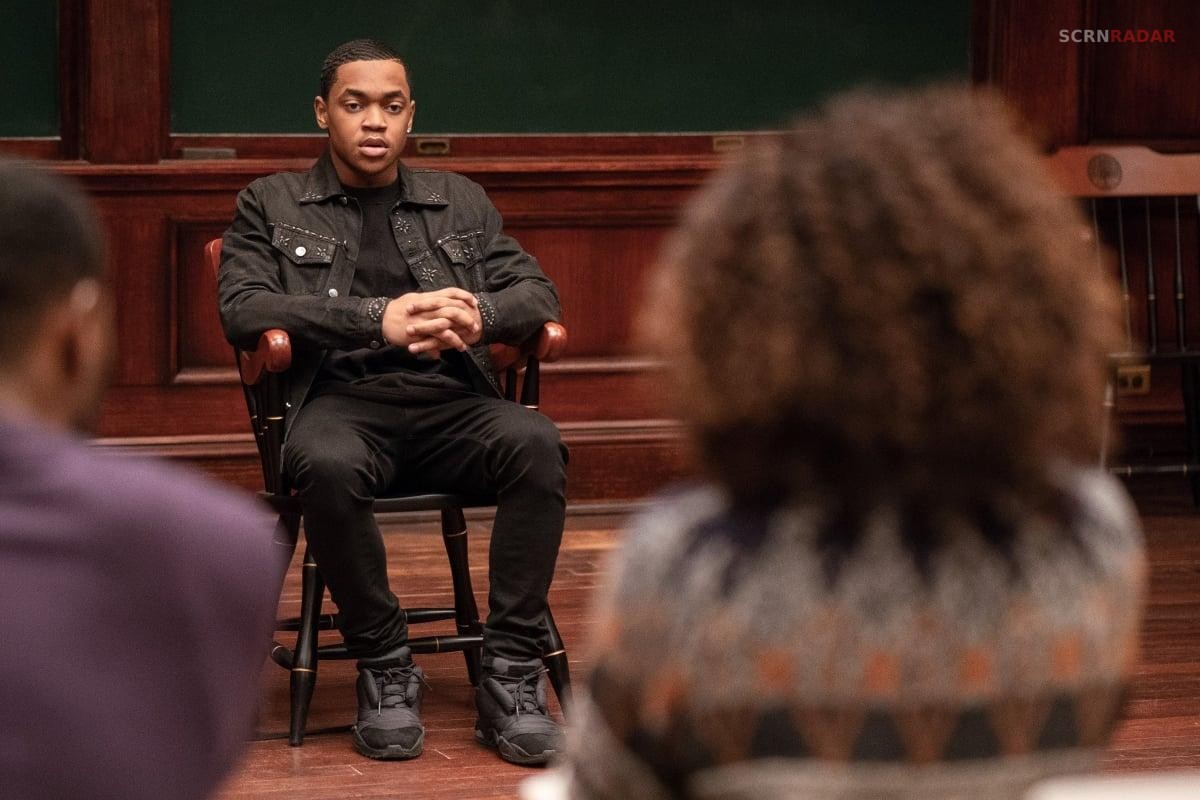
One of the biggest issues in Season 2 is the lack of meaningful character development for Tariq. In theory, his journey from privileged student to calculated criminal should be compelling. However, the show struggles to evolve his character in a believable way.
Tariq often makes decisions that feel inconsistent or driven by plot convenience rather than genuine growth. While he is portrayed as intelligent and resourceful, his actions frequently lead to avoidable complications. This undermines the idea that he is becoming a strategic player in the game.
The emotional weight of his journey is also limited. Unlike his father, whose internal conflicts were central to Power, Tariq rarely feels fully realized. His struggles are present, but they lack the depth needed to make viewers truly invest in his story.
As a result, Tariq’s arc in Season 2 feels more like a continuation of existing traits rather than a meaningful evolution. This contributes to the sense that the show is moving forward without truly progressing.
The Supporting Cast: Strong Performances, Weak Writing
Season 2 features a talented supporting cast that does its best to lift the material. Characters like Monet Tejada and her family bring intensity and presence to the screen, often overshadowing the main storyline.
Monet, in particular, stands out as one of the most compelling characters. Her leadership, ruthlessness, and emotional complexity add layers to the narrative that Tariq’s storyline often lacks. However, even her character suffers from inconsistent writing and repetitive conflicts.
Other supporting characters are given moments to shine, but their arcs often feel underdeveloped. Relationships shift quickly without sufficient buildup, making it difficult to fully invest in the dynamics between characters.
The performances themselves are rarely the problem. Instead, it is the writing that limits their impact. Strong actors can only do so much when the material lacks depth and consistency.
Repetitive Plotlines and Predictable Twists

One of the most noticeable flaws in Season 2 is its reliance on repetitive storytelling. Many episodes follow a similar structure, with Tariq facing a new problem, scrambling to fix it, and ending up in an even more complicated situation.
This pattern creates a sense of predictability that reduces tension. Instead of building toward meaningful resolutions, the show often introduces new conflicts simply to keep the story moving. This approach can feel forced and artificial.
The twists, while frequent, rarely carry the impact they should. Because the show relies heavily on shock value, many of these moments feel more like attempts to surprise the audience rather than organic developments within the story.
Over time, this repetitive structure makes the season feel longer than it actually is. Even as events escalate, the lack of variety in storytelling limits their effectiveness.
The Loss of Emotional Depth
One of the defining features of the original Power series was its emotional complexity. Characters were driven by personal motivations, internal conflicts, and moral dilemmas that felt real and relatable.
In Season 2 of Power Book II: Ghost, that emotional depth is noticeably diminished. While the show still explores themes of loyalty, betrayal, and ambition, it often does so in a superficial way.
Moments that should carry emotional weight are frequently rushed or overshadowed by plot developments. This makes it difficult for viewers to connect with the characters on a deeper level.
The result is a show that looks and feels dramatic but lacks the emotional resonance needed to make those moments truly impactful. This disconnect is a key reason why the season feels soulless.
Style Over Substance
There is no denying that Season 2 is visually polished. The cinematography, soundtrack, and production quality are strong, creating a sleek and modern aesthetic.
However, this emphasis on style often comes at the expense of substance. The show prioritizes dramatic visuals and intense moments over meaningful storytelling. While this can be engaging in the short term, it does not provide lasting satisfaction.
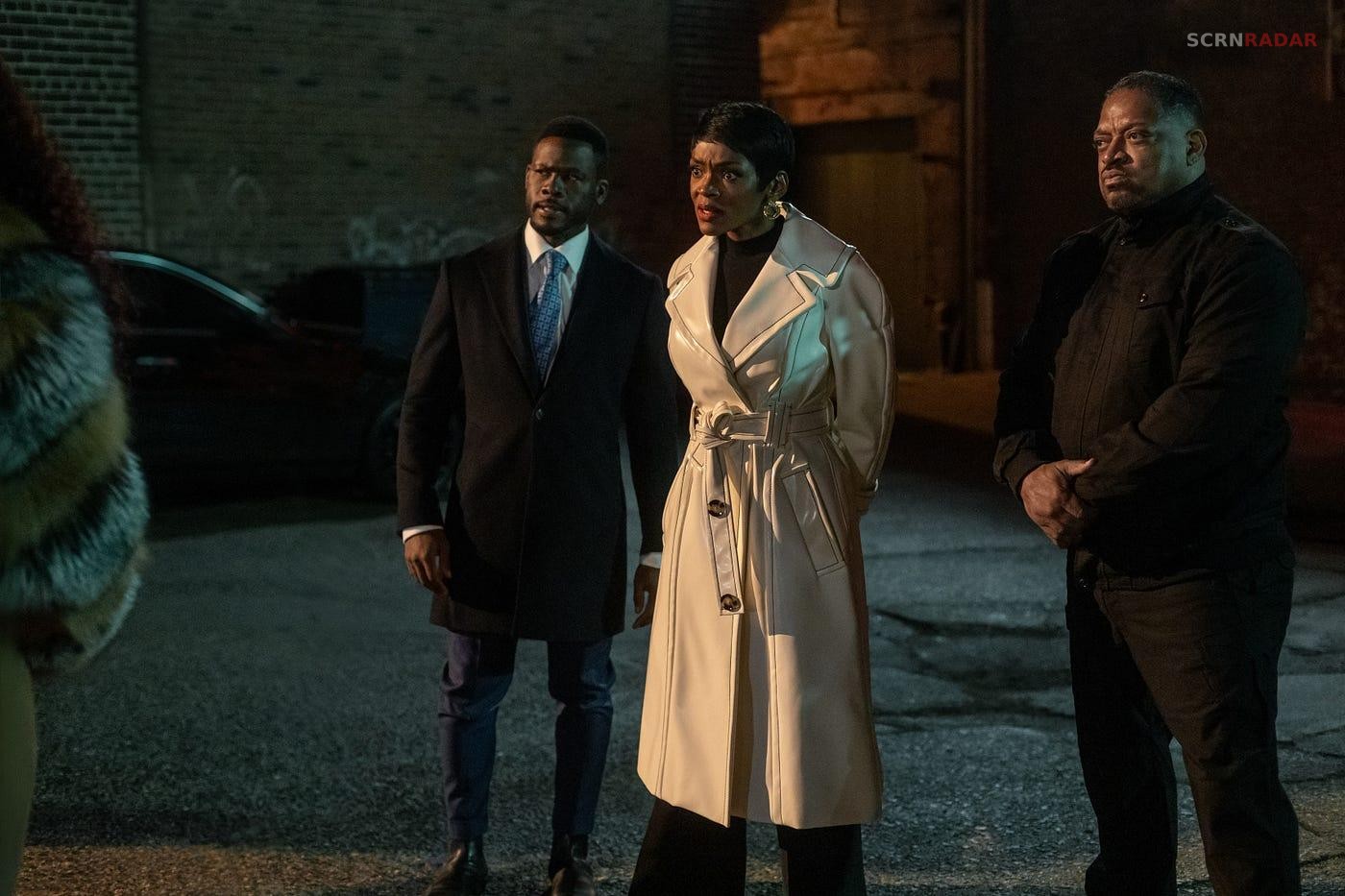
The use of music and editing techniques enhances certain scenes, but it cannot compensate for weak narrative structure. Without a solid foundation, these elements feel more like distractions than enhancements.
This imbalance between style and substance is one of the defining characteristics of the season. It looks impressive but lacks the depth needed to leave a lasting impression.
Connections to the Original Power Series
As a spin-off, Power Book II: Ghost is inevitably compared to its predecessor, Power. While the connection provides a built-in audience, it also raises expectations that Season 2 struggles to meet.
The original series was known for its complex characters and tightly woven storylines. In contrast, Season 2 often feels less focused and more reliant on familiar tropes.
References to Ghost and the legacy of the original series are present, but they do little to enhance the current narrative. Instead, they serve as reminders of what made the franchise compelling in the first place.
Rather than building on that foundation, Season 2 often feels like it is repeating elements without fully understanding what made them work.
Does Season 2 Improve on Season 1?
Season 2 attempts to raise the stakes and expand the story, but it does not necessarily improve on the first season. While there are more twists and larger conflicts, these elements do not translate into a stronger narrative.
In some ways, the flaws of Season 1 become more apparent here. Issues with pacing, character development, and storytelling are amplified rather than resolved.
That said, there are moments where the show shows potential. Certain character interactions and plotlines hint at a deeper story that could have been explored more effectively.
However, these moments are not consistent enough to lift the season as a whole. The improvements are overshadowed by recurring issues that limit the show’s impact.

Power Book II: Ghost Season 2 is a frustrating experience. It has all the ingredients of a compelling crime drama, including a strong cast, high stakes, and a rich narrative world. Yet it struggles to bring these elements together in a meaningful way.
The season’s biggest problem is its lack of emotional depth and character development. Without these, the story feels hollow, no matter how intense the plot becomes.
While fans of the franchise may still find moments to enjoy, Season 2 ultimately falls short of its potential. It is a stylish but soulless continuation that highlights the challenges of sustaining a long-running narrative.
Another issue that becomes increasingly noticeable in Season 2 is its uneven pacing, which affects how the story unfolds across episodes. Some plotlines are stretched longer than necessary, while others feel rushed and underdeveloped, creating an inconsistent viewing experience.
This imbalance makes it difficult for the narrative to build sustained tension, as key moments either arrive too late or pass too quickly to leave an impact. The constant juggling of multiple story arcs also contributes to this problem, as the show struggles to give each storyline the attention it deserves. As a result, even potentially compelling conflicts fail to reach their full emotional or dramatic potential.
Additionally, the show’s reliance on shock value over meaningful storytelling weakens its long-term impact. While unexpected twists and betrayals are a staple of crime dramas, Season 2 often uses them as shortcuts rather than organic developments.
These moments may generate temporary excitement, but they rarely contribute to deeper character exploration or narrative growth. Over time, this approach reduces the stakes because viewers begin to anticipate dramatic turns without feeling genuinely invested in them. A stronger focus on character-driven storytelling could have elevated these twists, making them feel earned and emotionally resonant instead of merely surprising.