The OnePlus 6 marked a major turning point for OnePlus when it launched in May 2018. Known for its “flagship killer” reputation, OnePlus aimed to deliver premium features at a more affordable price, and the OnePlus 6 became one of its most successful releases. With a glass design, powerful Snapdragon processor, and improved camera system, the device brought the brand closer to competing directly with top-tier smartphones from Apple and Samsung.
At launch, the OnePlus 6 impressed both critics and consumers by balancing performance, design, and price. It introduced features like a notch display, enhanced gaming performance, and fast charging, all while maintaining the clean OxygenOS experience. This article breaks down everything about the OnePlus 6, including its specifications, design, performance, camera capabilities, software, and long-term relevance in today’s smartphone market.
OnePlus 6 Overview and Launch Context
The OnePlus 6 was officially dropped in May 2018 as the successor to the OnePlus 5T. At the time, the smartphone market was rapidly evolving, with brands introducing bezel-less displays, glass bodies, and AI-powered cameras.
OnePlus adopted many of these trends with the OnePlus 6 while maintaining its core philosophy of performance-focused devices. The introduction of a glass back design marked a shift from the metal builds of previous models, aligning the device with premium flagship aesthetics.
The phone launched with multiple storage and RAM variants, giving users flexibility depending on their needs. It was also one of the first OnePlus devices to gain widespread availability in global markets, including North America.
This broader reach helped solidify OnePlus as a serious competitor in the smartphone industry.
Design and Build Quality
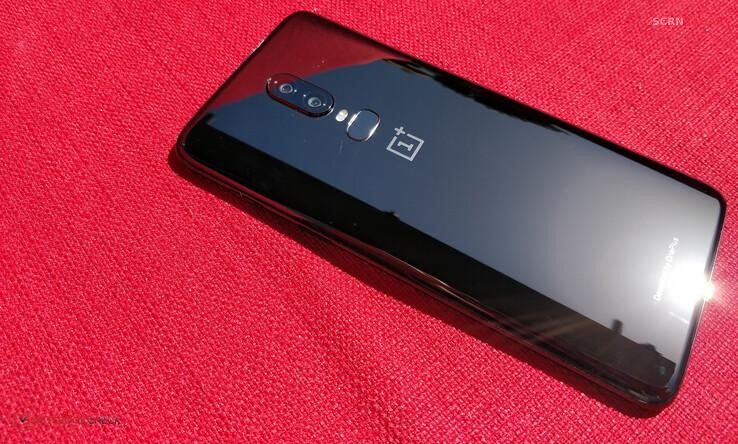
One of the most noticeable changes in the OnePlus 6 was its design. The device featured a glass back with an aluminum frame, giving it a more premium look and feel compared to its predecessors.
The glass construction allowed for improved aesthetics, including reflective finishes and gradient-like effects. However, it also made the device more prone to fingerprints and required additional care to prevent damage.
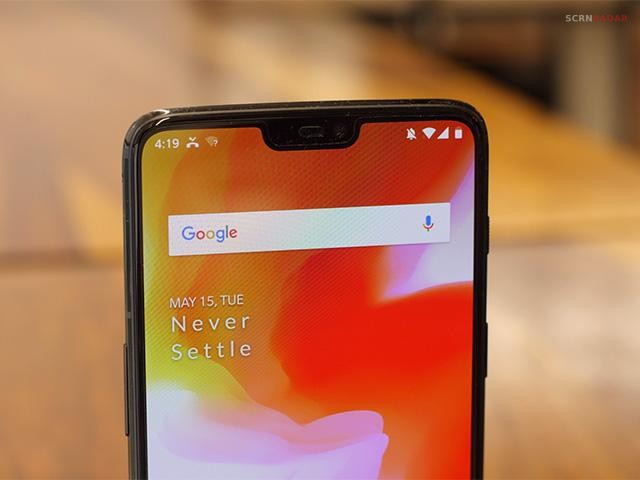
The front of the device was dominated by a 6.28-inch display with minimal bezels and a notch at the top. This design choice was controversial at the time but quickly became standard across the industry.
Despite its modern appearance, the OnePlus 6 retained practical features like the alert slider and a headphone jack, which many users appreciated.
Display Quality and Viewing Experience
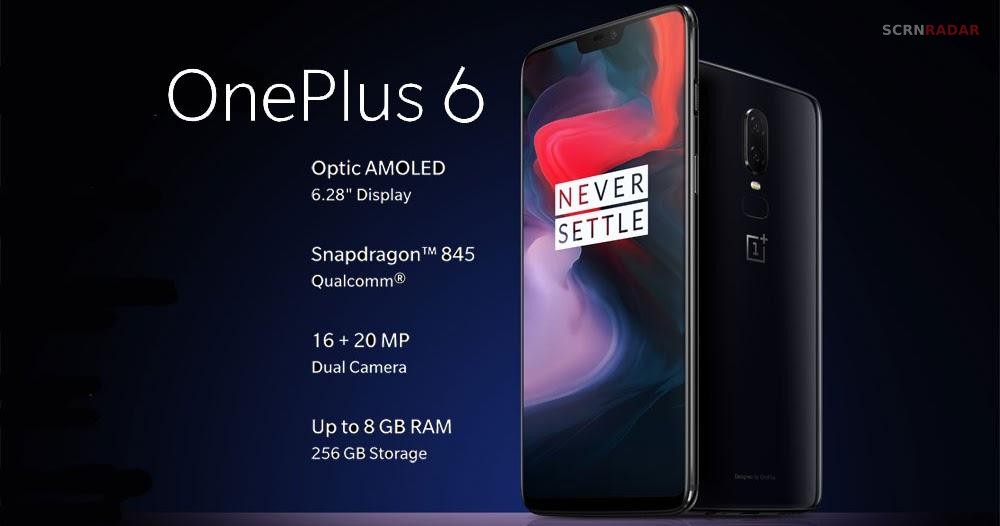
The OnePlus 6 comes with a 6.28-inch Optic AMOLED display with a resolution of 2280 x 1080 pixels. The screen delivers vibrant colors, deep blacks, and strong contrast, making it ideal for media consumption.
The inclusion of AMOLED technology ensures better power efficiency and improved viewing angles compared to traditional LCD panels. This makes the device suitable for watching videos, playing games, and browsing content.
The notch design allows for a larger screen-to-body ratio, maximizing usable display space. Users also have the option to hide the notch through software settings, providing flexibility in how the interface appears.
Overall, the display was considered one of the best in its price range at the time of release.
Performance and Hardware Specifications
Performance is where the OnePlus 6 truly shines. The device is powered by the Qualcomm Snapdragon 845 processor, which was one of the fastest mobile chipsets available in 2018.
It is paired with up to 8GB of RAM and up to 256GB of internal storage, ensuring smooth multitasking and fast app performance. This hardware combination allows the device to handle demanding tasks with ease.
Gaming performance is particularly strong, with the phone capable of running graphics-intensive games without significant lag. OnePlus also introduced a gaming mode to optimize performance and minimize distractions.
Even years after its release, the OnePlus 6 remains capable of handling everyday tasks efficiently, highlighting its strong hardware foundation.
Camera Performance and Features
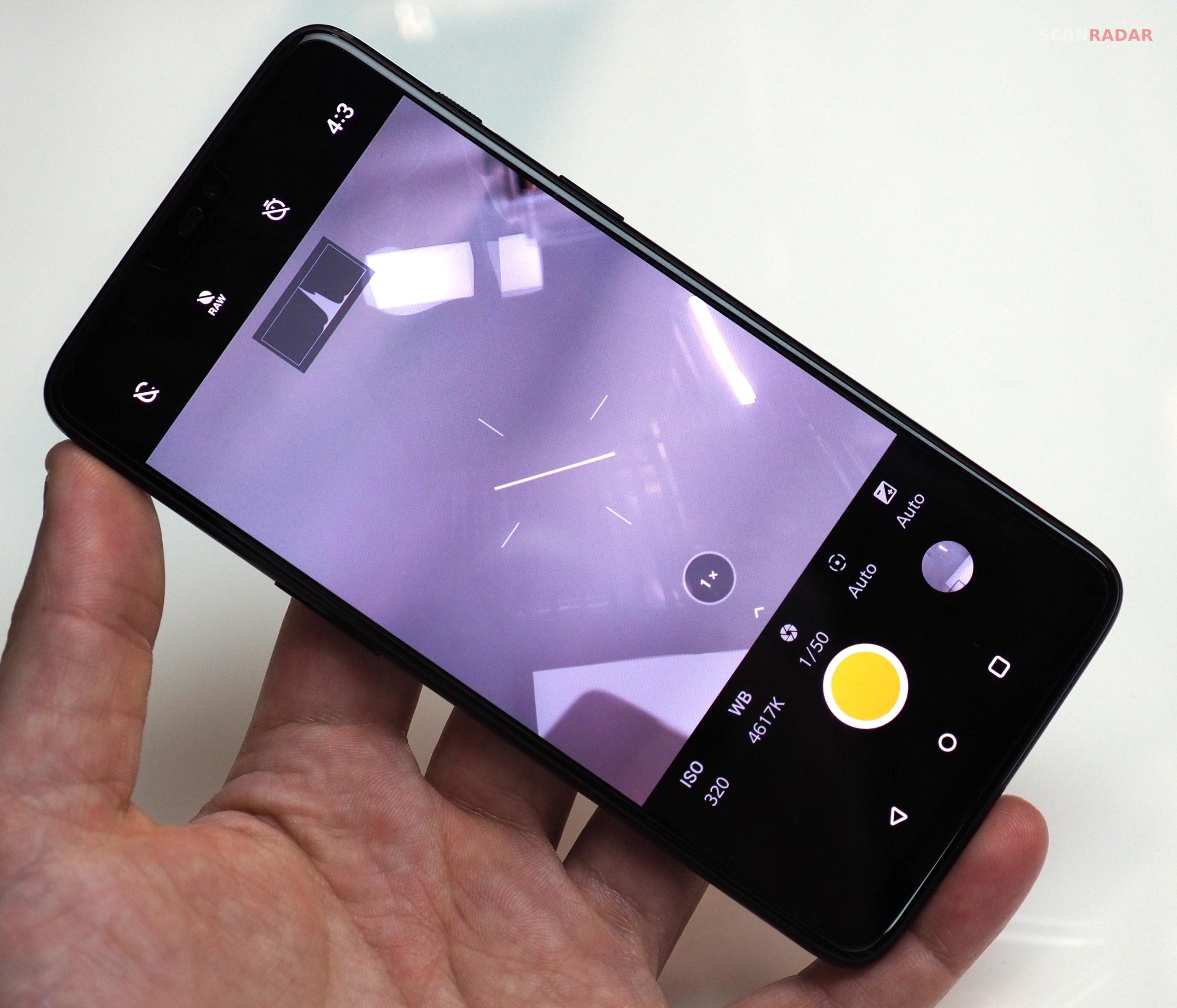
The OnePlus 6 features a dual-camera setup on the back, consisting of a 16MP primary sensor and a 20MP secondary sensor. The camera system was a significant improvement over previous OnePlus devices.
Photos taken in good lighting conditions are sharp, detailed, and color-accurate. The camera also performs reasonably well in low-light scenarios, thanks to improved image processing.
Portrait mode allows for background blur effects, adding depth to images. The front-facing camera, also 16MP, delivers good-quality selfies suitable for social media.
While it may not match the latest flagship cameras, the OnePlus 6 still offers a solid photography experience for its price category.
Software Experience and OxygenOS
The OnePlus 6 runs on OxygenOS, a customized version of Android known for its clean interface and smooth performance. At launch, the device shipped with Android 8.1 Oreo and later received updates to newer versions.
OxygenOS is widely praised for its near-stock Android experience, offering minimal bloatware and useful customization options. Features like gesture navigation, dark mode, and app optimization enhance usability.
Regular software updates from OnePlus helped improve performance and security over time. This commitment to updates contributed to the device’s longevity.
Even today, OxygenOS remains one of the key selling points of OnePlus devices.
Battery Life and Charging
The OnePlus 6 is equipped with a 3,300mAh battery, which provides a full day of moderate usage. Battery optimization features in OxygenOS help extend usage time.
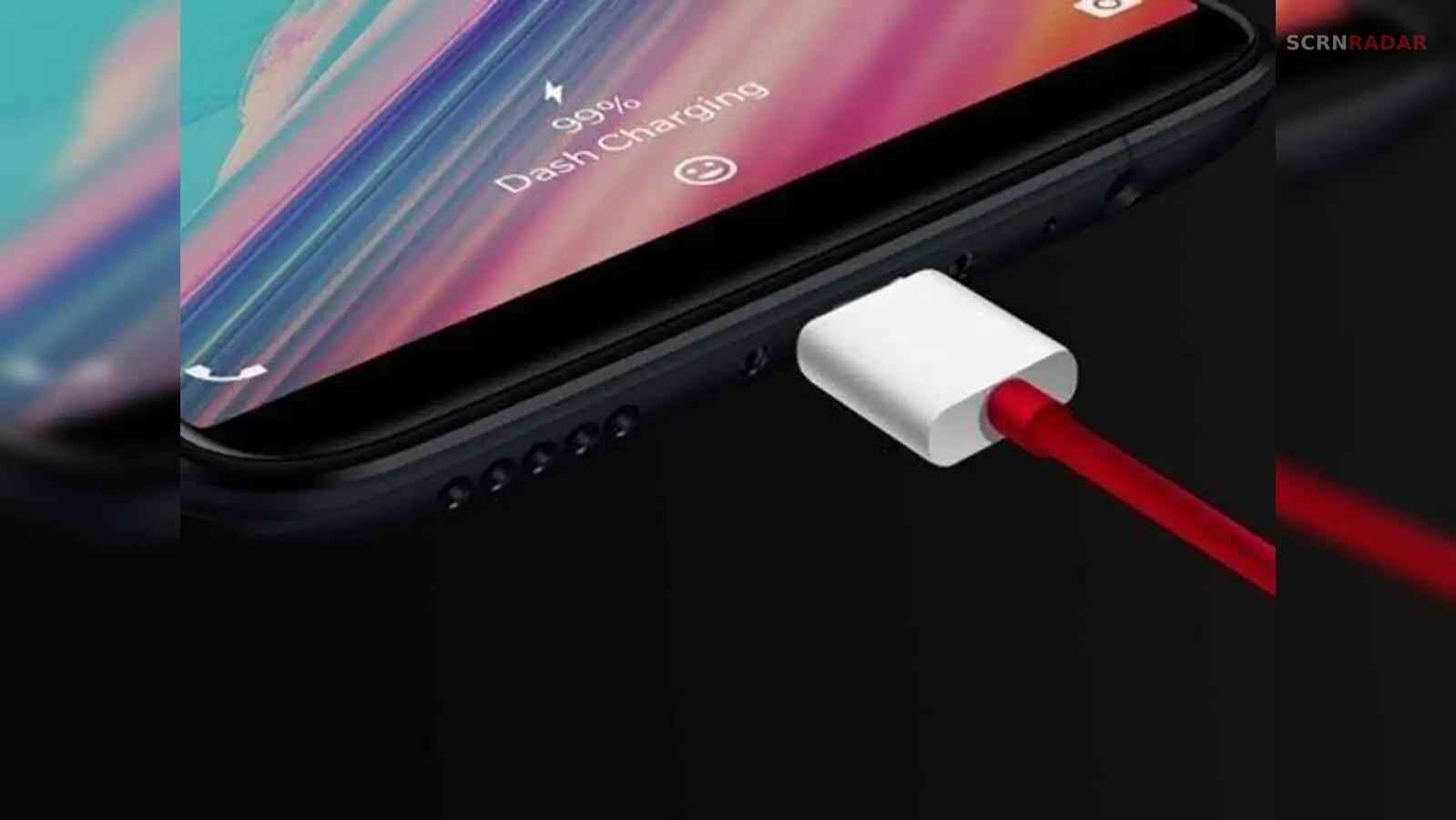
One of the standout features is Dash Charge, OnePlus’s fast-charging technology. It allows the device to charge quickly without generating excessive heat.
This feature is particularly useful for users who need to top up their battery during short breaks. While the battery capacity may seem modest by today’s standards, efficient software and hardware integration ensure reliable performance.
The absence of wireless charging was one of the few drawbacks, especially given the glass back design.
Connectivity and Additional Features
The OnePlus 6 supports dual SIM functionality, 4G LTE, Wi-Fi, Bluetooth 5.0, and GPS. These connectivity options ensure compatibility with a wide range of networks and accessories.
The device also includes a rear-mounted fingerprint sensor and face unlock for security. Both methods are fast and reliable, providing convenient access to the device.
The presence of a headphone jack is a notable advantage, especially as many modern smartphones have removed it. This feature enhances the device’s appeal to users who prefer wired audio.
Additionally, the alert slider allows users to quickly switch between sound profiles, adding to the device’s practicality.
Where the OnePlus 6 Excels
The OnePlus 6 excels in delivering flagship-level performance at a competitive price. Its combination of powerful hardware, clean software, and solid build quality makes it a well-rounded device.
The display quality and smooth user experience contribute to its appeal. The device also benefits from strong community support and regular updates during its lifecycle.
Another strength is its simplicity. By focusing on essential features and avoiding unnecessary additions, OnePlus created a device that performs consistently well.
These factors helped the OnePlus 6 stand out in a crowded market.
Where the OnePlus 6 Falls Short
Despite its strengths, the OnePlus 6 has some limitations. The camera, while good, does not reach the level of top flagship devices from the same period.
The lack of wireless charging is another drawback, especially considering the premium design. Additionally, the device is not water-resistant to the same extent as some competitors.
Battery capacity, while adequate, may not satisfy heavy users in today’s context. Over time, battery degradation can also impact performance.
These shortcomings are relatively minor but worth considering.
Is the OnePlus 6 Still Worth It Today?
In today’s smartphone market, the OnePlus 6 is no longer a cutting-edge device. However, it can still serve as a reliable option for basic usage, including calls, messaging, and light app usage.
For users looking for a secondary device or a budget-friendly option, the OnePlus 6 remains a viable choice. Its performance and software experience continue to hold up reasonably well.
However, those seeking advanced camera features, 5G connectivity, or the latest software updates may need to consider newer models.
Ultimately, the value of the OnePlus 6 today depends on individual needs and expectations.
The OnePlus 6 represents a significant milestone in the evolution of OnePlus as a brand. It successfully combined premium design, powerful performance, and an excellent software experience at a competitive price point.
While it may no longer compete with modern flagship devices, its impact on the smartphone market is undeniable. The device demonstrated that high-quality smartphones could be accessible without compromising on performance.
For its time, the OnePlus 6 was one of the best value-for-money smartphones available. Even today, it serves as a reminder of what made OnePlus stand out in the first place.
Another aspect worth highlighting about the OnePlus 6 is how it helped shape the brand’s identity in global markets. With this device, OnePlus moved beyond being seen as a niche enthusiast brand and started competing more directly with mainstream flagship manufacturers.
Its wider availability, improved design language, and consistent performance played a key role in building trust among a broader audience. This shift laid the foundation for future OnePlus devices to enter premium segments with greater confidence and recognition.
Additionally, the OnePlus 6 demonstrated the importance of software optimization alongside hardware power. While many smartphones with similar specifications have struggled to maintain long-term performance, the combination of Snapdragon 845 and OxygenOS ensured a smoother experience over time.
This balance between hardware and software became a defining strength for OnePlus, influencing later models in the lineup. Even years after its release, the device remains a strong example of how thoughtful optimization can extend a smartphone’s usability beyond its expected lifecycle.