Netflix is reaffirming its long-standing stance on theatrical releases, even as it prepares to debut Narnia: The Magician’s Nephew in cinemas. The streaming giant has made it clear that the upcoming film’s theatrical rollout is an exception rather than a shift in strategy.
The update comes from recent comments by film chairman Dan Lin, who addressed the company’s evolving content plans while emphasizing that Netflix remains focused primarily on streaming-first distribution.
Netflix Draws a Clear Line on Theatrical Releases
Despite increasing industry pressure to embrace traditional cinema releases, Netflix appears committed to its original business model. Speaking to The New York Times, Lin made the company’s position explicit.
“There is a group of filmmakers who still want theatrical. Those are filmmakers that we’ve accepted we just won’t work with,”
he said, highlighting the company’s firm stance.
This approach has been a defining part of Netflix’s identity, prioritizing accessibility for subscribers over traditional box office performance. While some films receive limited theatrical runs for awards eligibility, wide cinema releases remain rare.
The upcoming Narnia: The Magician’s Nephew, directed by Greta Gerwig, stands out as a notable exception to Netflix’s usual policy. The film is set to receive an IMAX theatrical release in February 2027 before arriving on the platform in April.
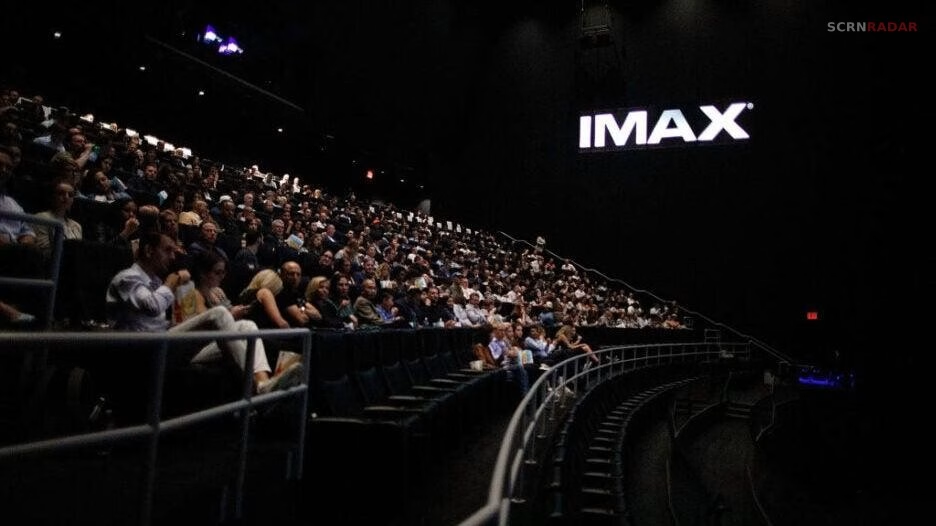
Gerwig expressed enthusiasm about the dual release strategy, stating,
“Working with Netflix to bring this film to life has been extraordinary, and IMAX continues to be an incredible partner. I cannot wait for people to see the film in theaters… and on Netflix.”
The decision reflects the scale and global appeal of the Narnia franchise, which may benefit from a theatrical experience before transitioning to streaming audiences.
Filmmaker Tensions Continue Over Release Strategy
Netflix’s strict stance has not been without controversy. Several filmmakers and actors have previously voiced concerns about limited theatrical exposure for major projects.
For example, Daniel Craig publicly discussed his desire for broader cinema releases for the Knives Out sequels after Netflix acquired the franchise.
“The people I speak to… all they want to do is take their families and go see it at the cinemas,”
Craig said, emphasizing audience demand for theatrical experiences.
Despite such feedback, Netflix has largely resisted altering its approach, even if it means losing collaborations with certain directors who prioritize theatrical distribution.
Netflix continues to invest heavily in high-profile projects, many of which feature major stars and acclaimed filmmakers. Upcoming titles include projects directed by industry names like Fernando Meirelles and David Fincher, as well as star-driven productions featuring actors such as Denzel Washington and Brad Pitt.
However, most of these films are expected to follow the platform’s standard release model, debuting directly on streaming rather than in theaters. This consistency reinforces Netflix’s strategy of delivering content directly to its global subscriber base.
The company’s resistance to widespread theatrical releases is also tied to its pricing and subscription model. Netflix has raised subscription prices multiple times in recent years, positioning its platform as a comprehensive entertainment hub.
Introducing large-scale theatrical runs could complicate that value proposition, potentially requiring audiences to pay both subscription fees and cinema tickets. By keeping most releases exclusive to the platform, Netflix maintains a clear and consistent offering for its users.