Medici is a historical drama that explores the rise of one of the most powerful banking families in Renaissance Italy. Set in 15th-century Florence, the series blends political intrigue, personal betrayal, and cultural transformation to tell the story of how the Medici family shaped European history.
The show primarily focuses on two timelines across its seasons, following Cosimo de’ Medici and later Lorenzo de’ Medici, also known as Lorenzo the Magnificent. Through their journeys, viewers witness the challenges of maintaining power in a city filled with rival families, religious influence, and shifting alliances.
While Medici is rooted in real history, it also takes creative liberties to enhance drama and storytelling. For viewers looking to understand the plot, characters, and historical accuracy, this detailed explanation breaks down everything you need to know about the Medici series.
What Is Medici About?
At its core, Medici is about power, legacy, and survival. The series chronicles how the Medici family rose from merchants to rulers of Florence through banking, political strategy, and cultural influence.
Season 1 focuses on Cosimo de’ Medici, who inherits the family bank after the mysterious death of his father. As he navigates political conspiracies and personal struggles, Cosimo must protect his family’s legacy while facing opposition from rival factions.
Seasons 2 and 3 shift focus to Lorenzo de’ Medici, exploring his rise as a political leader and cultural patron. His story highlights the challenges of maintaining control in a volatile environment while balancing personal relationships and public responsibilities.
Season 1 Explained: Cosimo de’ Medici’s Rise
The first season begins with the death of Giovanni de’ Medici, which appears suspicious. Cosimo takes over the Medici Bank and quickly finds himself entangled in political conflict. Florence is divided between powerful families, and the Medici name attracts both allies and enemies.
Cosimo’s leadership style is cautious and strategic. He avoids open conflict when possible, preferring negotiation and financial influence. However, this approach does not shield him from betrayal and conspiracies.
A major plotline involves Cosimo’s exile from Florence. Accused of crimes by political rivals, he is forced to leave the city. This moment becomes a turning point, as it tests his resilience and ability to regain power.

The Importance of the Medici Bank
The Medici Bank is central to the family’s power. Unlike traditional rulers, the Medici gain influence through wealth and financial networks rather than military force.
The bank allows them to lend money to powerful institutions, including the Church. This creates alliances that extend beyond Florence and into the broader European political terrain.
In the show, the bank is not just a business but a symbol of control. Whoever manages it effectively holds the key to the family’s survival and dominance.
Political Intrigue and Rival Families
One of the most compelling aspects of Medici is its portrayal of political intrigue. Florence is depicted as a city filled with shifting alliances and hidden agendas.
Rival families constantly attempt to undermine the Medici. These conflicts drive much of the drama, as characters navigate a world where trust is scarce and betrayal is common.
The series emphasizes how power is maintained not just through strength but through intelligence, strategy, and timing. Every decision carries consequences that ripple throughout the story.
Season 2 Explained: Lorenzo the Magnificent Takes Over
Season 2 introduces Lorenzo de’ Medici as the central figure. Unlike Cosimo, Lorenzo is more charismatic and openly engages with the cultural and artistic movements of his time.
His leadership coincides with the height of the Renaissance, a period of significant artistic and intellectual growth. Lorenzo becomes a patron of the arts, supporting figures like Leonardo da Vinci and Michelangelo.
However, his reign is not without challenges. Political enemies continue to threaten the Medici’s position, leading to one of the most dramatic events in the series.
The Pazzi Conspiracy Explained
One of the most significant events depicted in Medici is the Pazzi Conspiracy. This real historical event involved a plot to assassinate Lorenzo and his brother Giuliano during a church service.
The show portrays this moment with intense drama, highlighting the danger faced by the Medici family. Giuliano is killed, while Lorenzo narrowly escapes.
This event changes Lorenzo’s approach to leadership. He becomes more assertive and determined to secure his family’s power, marking a shift in his character.
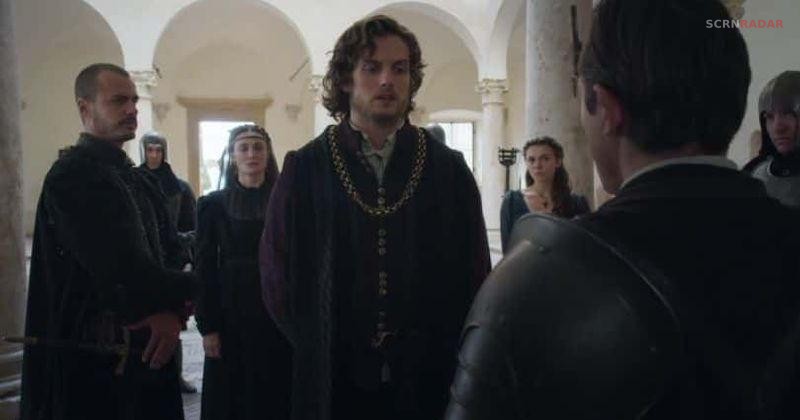
Season 3 Explained: The Height of Medici Power
Season 3 continues Lorenzo’s story as he solidifies his influence over Florence. The season explores the complexities of ruling a city while managing personal and political challenges.
Lorenzo’s decisions often reflect the burden of leadership. He must balance the needs of his family, his allies, and the people of Florence.
The season also delves deeper into the cultural impact of the Medici. Their support of the arts helps define the Renaissance, leaving a lasting legacy that extends beyond politics.
Key Characters and Their Roles
The Medici series features a wide range of characters, each contributing to the story’s depth. Cosimo represents cautious leadership, while Lorenzo embodies charisma and cultural influence.
Supporting characters, including family members and political rivals, add complexity to the narrative. Their interactions highlight the personal stakes behind political decisions.
These characters are not simply historical figures but are portrayed with emotional depth. Their struggles and relationships drive the story forward.
How Accurate Is Medici?
Medici is inspired by real historical events but takes creative liberties. Some characters and storylines are dramatized to enhance the narrative.
For example, timelines are often compressed, and certain relationships are fictionalized. These changes help create a more engaging story but may not always reflect historical reality.
Despite these liberties, the show captures the essence of the Medici family’s influence. It provides a compelling introduction to Renaissance history while maintaining dramatic appeal.
Themes Explored in Medici
The series explores several key themes, including power, loyalty, and ambition. Characters must constantly navigate moral dilemmas and difficult choices.
Another major theme is the relationship between wealth and influence. The Medici use their financial power to shape political outcomes, demonstrating the importance of economic strength.
The show also highlights the cultural impact of the Renaissance. Through their patronage, the Medici help usher in a new era of art and innovation.
The Ending Explained
The ending of Medici focuses on Lorenzo’s legacy. By the end of the series, he has secured his family’s position and contributed significantly to Florence’s cultural development.
However, the ending is not entirely triumphant. Lorenzo faces personal losses and the consequences of his decisions. His journey reflects the cost of maintaining power.
The conclusion emphasizes the enduring influence of the Medici family. Their impact on history continues long after the events of the series.