Few reality TV shows have managed to stay relevant for over a decade, but MasterChef continues to thrive as one of the most popular cooking competitions in the world. Premiering in 2010, the show follows amateur chefs competing in high-pressure culinary challenges for the coveted title of MasterChef and a life-changing prize.
At its core, MasterChef USA succeeds because it blends two compelling elements. Authentic cooking talent and emotionally driven storytelling. Under the sharp eyes of celebrity judges like Gordon Ramsay, contestants are pushed beyond their limits, creating a viewing experience that is both intense and inspiring.
However, while the show excels in entertainment and culinary creativity, it is not without criticism. Some viewers question its dramatization and reality TV tropes, which occasionally overshadow the cooking itself. Still, MasterChef remains a benchmark for the genre.
Let’s break down what makes MasterChef USA so successful, where it struggles, and whether it still deserves its place at the top of food-based reality TV.
The Format: Simple, Addictive, and Proven
One of MasterChef USA’s biggest strengths is its clear and engaging format. The show follows a structured competition where amateur cooks face a series of challenges designed to test their culinary skills, creativity, and resilience.
Signature segments like the Mystery Box Challenge, Pressure Test, and Team Challenge keep the competition dynamic. Each episode builds tension as contestants either rise to the occasion or crumble under pressure. The elimination format ensures that stakes remain high throughout the season.

This structure works because it balances variety with familiarity. Viewers know what to expect, yet each challenge introduces new ingredients, techniques, and twists. The format has been replicated globally, proving its effectiveness across cultures and audiences.
Another key element is accessibility. Unlike professional cooking shows, MasterChef focuses on home cooks. This makes the competition more relatable and allows audiences to imagine themselves in the contestants’ shoes.
The Judges: The Heart of the Show
MasterChef USA would not be the same without its judges, particularly Gordon Ramsay. Known for his fiery personality and high standards, Ramsay brings both intensity and credibility to the show.
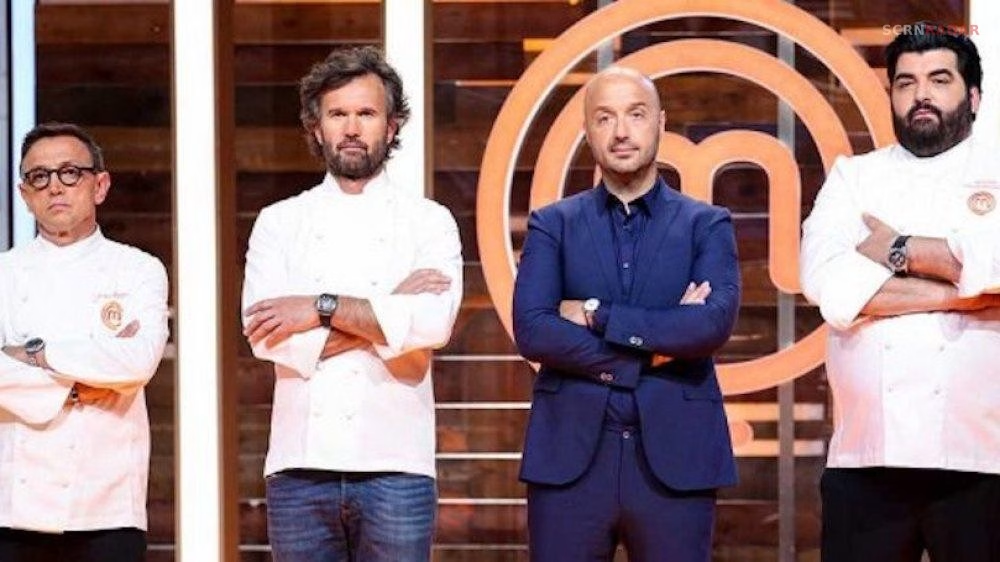
Alongside him, judges like Joe Bastianich and others over the years provide balance. They offer contrasting perspectives, combining technical critique with emotional storytelling.
What makes the judging panel effective is its dynamic. Ramsay’s tough-love approach is often countered by moments of mentorship and encouragement. This duality keeps the show engaging and prevents it from feeling overly harsh.
At the same time, the judges are central to the show’s entertainment value. Their reactions, critiques, and occasional disagreements add drama and unpredictability. Without them, the show would lose much of its identity.
A major reason for MasterChef’s success is its focus on everyday people. Contestants are not professional chefs but passionate home cooks chasing a dream.
This approach creates emotional investment. Viewers connect with contestants’ backstories, struggles, and personal growth throughout the competition. It turns the show into more than just a cooking contest. It becomes a narrative about ambition, resilience, and transformation.
However, this is also where criticism arises. Some reviews suggest that the show amplifies emotional backstories to create drama. Reports have noted that producers emphasize personal struggles to heighten tension and viewer engagement.
While this can feel manipulative at times, it undeniably contributes to the show’s widespread appeal. The emotional storytelling keeps audiences hooked beyond just the food.
The Food: Creativity Meets Pressure
At its best, MasterChef USA showcases incredible culinary creativity. Contestants are pushed to experiment with flavors, techniques, and presentation, often producing dishes that rival professional kitchens.
Challenges like recreating complex dishes or cooking for large groups highlight both skill and adaptability. These moments demonstrate the true essence of the competition.
However, there is one inherent limitation. Unlike scripted shows or sports, viewers cannot taste the food. As one review pointed out, audiences must rely entirely on the judges’ reactions to assess quality.
This creates a disconnect. While the visuals are impressive, the lack of sensory experience means viewers must trust the show’s narrative. Despite this limitation, the presentation and storytelling often compensate, making the dishes feel as impressive as they are described.
Like many reality TV shows, MasterChef USA walks a fine line between authenticity and entertainment. While the competition is real, the presentation often leans into dramatization.
Contestant conflicts, emotional breakdowns, and high-stakes editing are used to heighten tension. While this makes for compelling television, it can sometimes overshadow the cooking itself.
Critics have pointed out that certain elements feel manufactured, with producers shaping narratives to maximize drama. This is a common critique of reality TV, and MasterChef is no exception.

That said, the show generally avoids going too far. The focus remains on cooking, and the drama rarely feels completely detached from the competition. This balance helps maintain credibility while still delivering entertainment.
Longevity and Cultural Impact
MasterChef USA’s longevity is a testament to its success. With multiple seasons and international adaptations, it has become one of the most recognizable cooking shows globally.
The show has also influenced food culture. It has inspired viewers to experiment in their own kitchens and pursue culinary careers. Many contestants have gone on to achieve success beyond the show, further reinforcing its impact.
Additionally, the series continues to evolve. New judges, themes, and twists keep the format fresh while maintaining its core identity. This adaptability is key to its continued relevance.
MasterChef USA remains one of the strongest reality cooking shows on television. Its combination of high-stakes competition, relatable contestants, and engaging judges creates a formula that is both entertaining and inspiring.
While it occasionally leans too heavily on drama and emotional storytelling, these elements are part of what makes it so addictive. The show understands its audience and delivers exactly what they expect, a mix of culinary excellence and human drama.
MasterChef USA is not perfect, but it continues to set the standard for cooking competitions. For fans of food, reality TV, or compelling storytelling, it remains a must-watch series that rarely disappoints.