Lego Masters Season 3 pushed the FOX competition series to a much larger creative scale, delivering some of the show’s most ambitious builds, emotional eliminations, and visually impressive challenges yet. Hosted once again by Will Arnett, the season brought together builders from different backgrounds, including influencers, firefighters, doctors, siblings, and longtime LEGO enthusiasts competing for the title of LEGO Masters.
What made Season 3 stand out was its stronger focus on storytelling and cinematic presentation. The builds were not just technically impressive but often emotionally driven, with contestants using LEGO bricks to create personal narratives, giant fantasy worlds, and complex moving structures. Combined with creative challenges and intense eliminations, the season delivered a balance of fun, tension, and artistic innovation. Let’s break down the best builds, standout contestants, and major competition highlights that defined Lego Masters Season 3.
Season 3 Expanded the Scale of the Competition
One noticeable improvement in Season 3 was the sheer ambition behind the challenges. Earlier seasons already showcased large-scale LEGO construction, but Season 3 consistently raised expectations through bigger concepts and more technically demanding assignments. Teams were pushed to combine engineering, storytelling, and aesthetics under strict time limits.
The variety of contestants also added fresh energy to the competition. Teams approached challenges differently depending on their strengths, with some prioritizing visual spectacle while others focused on emotional storytelling. This contrast made judging less predictable because technical skill alone was not enough to guarantee success.
The season also leaned harder into cinematic presentation. Dramatic lighting, slow-motion brick destruction, and stylized editing made several challenges feel more like blockbuster movie sequences than reality television competitions. While the dramatic editing occasionally felt exaggerated, it undeniably elevated the entertainment value of the show.
Nick and Stacey Became Unexpected Champions
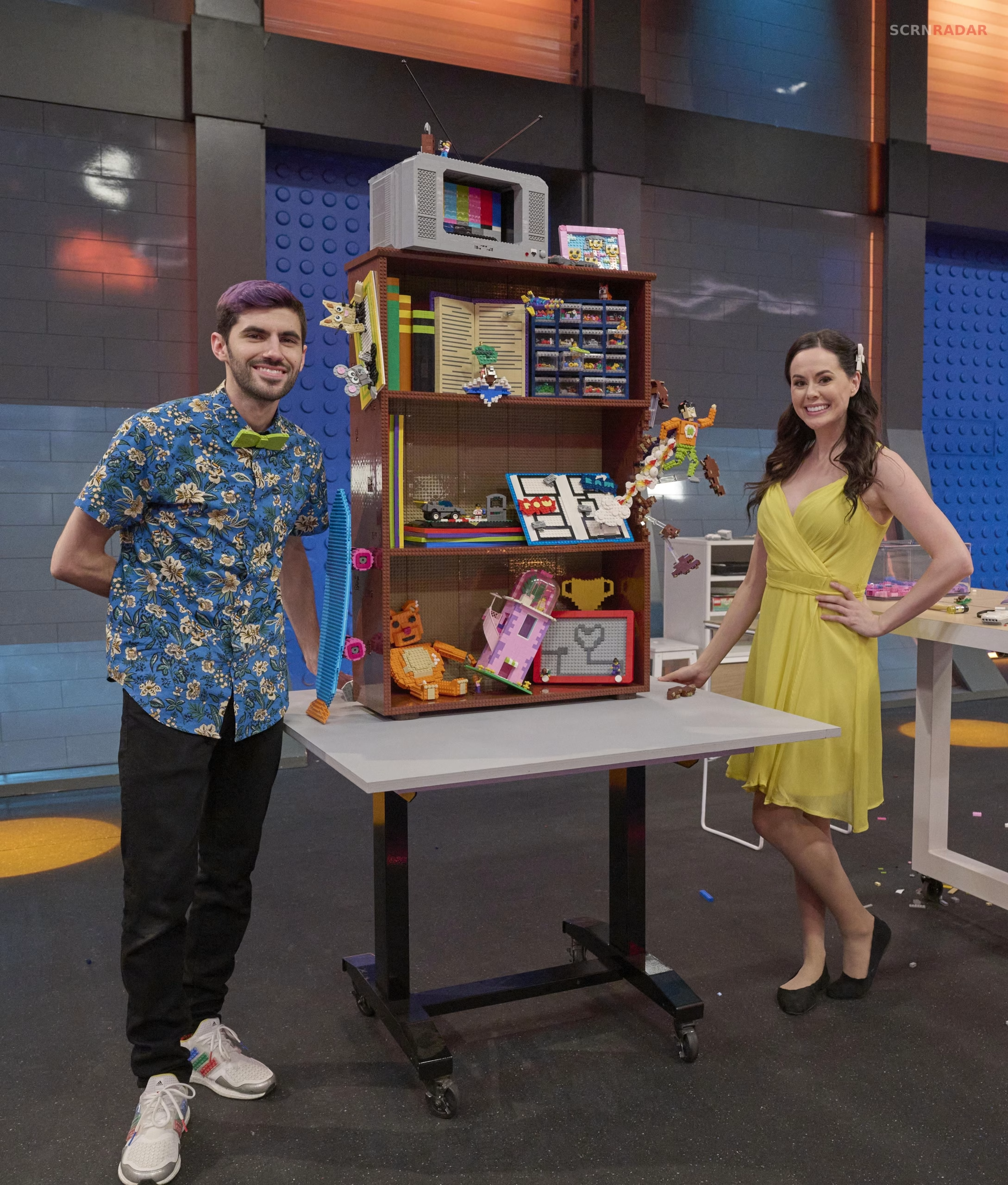
One of the biggest storylines of Season 3 was the journey of influencers Nick Della Mora and Stacey Roy. Early in the season, they were not always viewed as dominant frontrunners compared to teams with stronger engineering backgrounds. However, their creativity and storytelling gradually became their greatest strengths.
Nick and Stacey excelled at creating builds with strong emotional themes and imaginative concepts. Their projects often felt more artistic and narrative-focused than purely technical, which helped them stand out in challenges emphasizing originality. Even when they landed in risky positions during eliminations, they consistently recovered with creative ideas that impressed the judges.
Their finale build especially became a major talking point among viewers. The bookshelf-inspired design filled with miniature imaginative worlds was praised for creativity and storytelling. Some fans debated whether other finalists had stronger overall seasons, but many agreed Nick and Stacey delivered the most memorable final build.
The victory also highlighted how Lego Masters values imagination just as much as technical perfection. Nick and Stacey proved that emotional storytelling and inventive concepts could compete equally with large-scale engineering complexity.
Stephen and Stephen Delivered the Season’s Strongest Technical Builds
Firefighter duo Stephen and Stephen emerged as one of the season’s most consistent teams. Week after week, they produced highly detailed builds with impressive structural complexity. Many viewers considered them the strongest technical competitors throughout the competition.
Their builds often leaned toward realism and environmental detail, particularly in terrain-focused challenges. One standout project featured a stunning natural environment inspired by Canadian scenery, complete with mountains, reflective water, and atmospheric lighting effects. The scale and ambition of the project demonstrated the pair’s advanced building abilities.
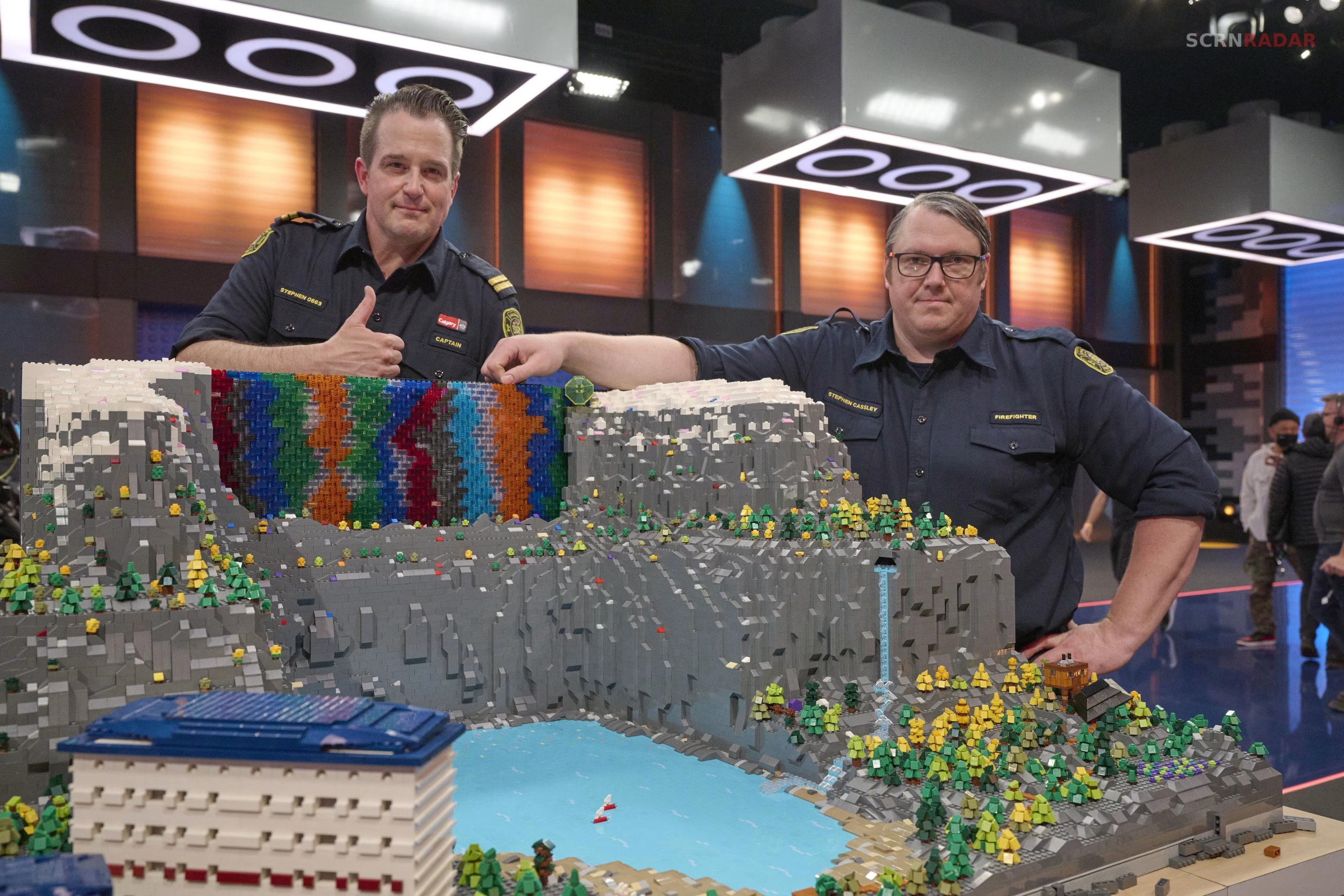
However, the finale also revealed the limitations of their style. While technically polished, some viewers felt their final project lacked the emotional storytelling and visual personality that defined Nick and Stacey’s winning build. Discussions online frequently praised their consistency but questioned whether the finale demanded something more imaginative.
Even so, Stephen and Stephen became fan favorites because of their professionalism and teamwork. Their calm approach under pressure and consistently strong performances made them one of the most respected teams of the season.
Dave and Emily Brought Creativity and Personality
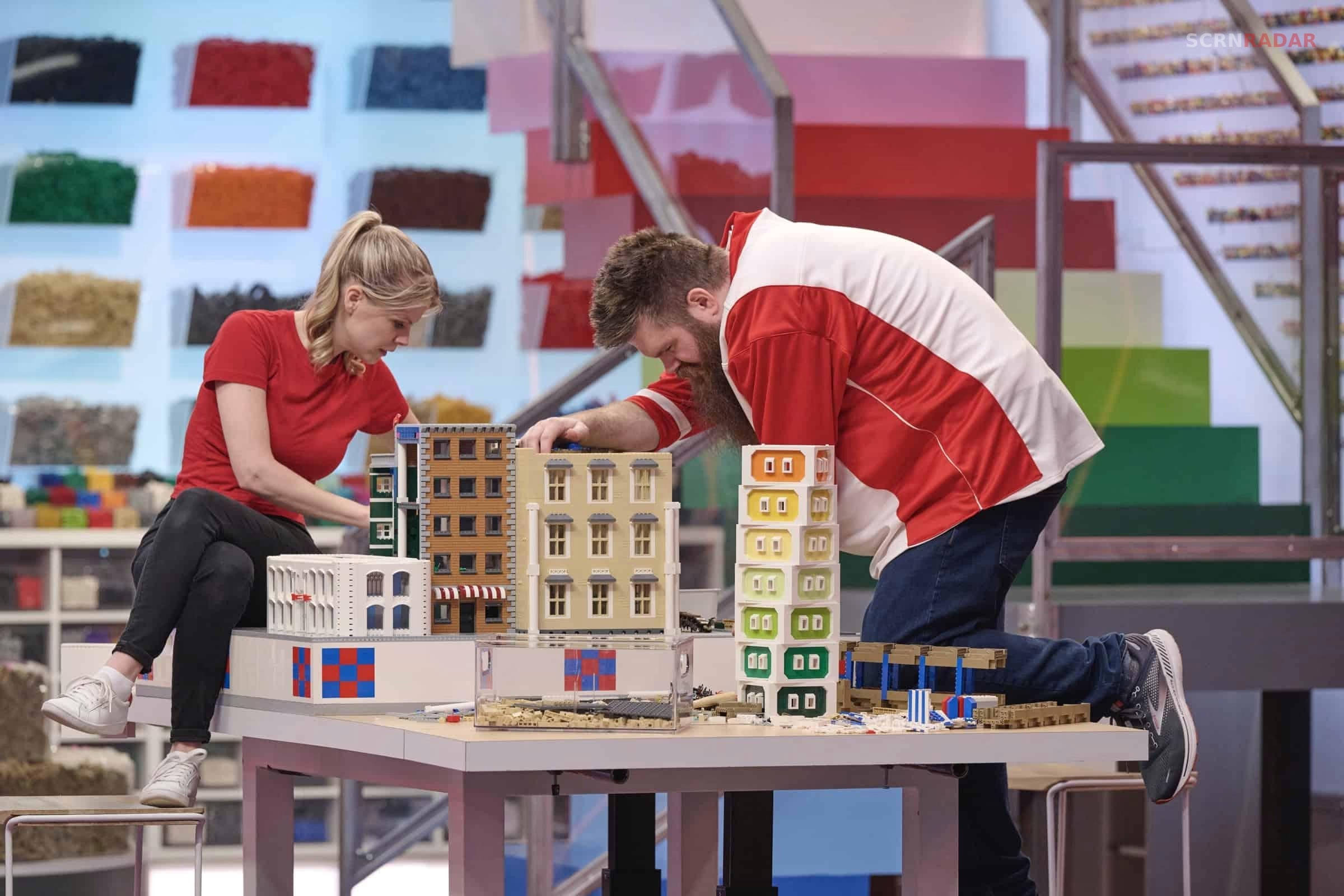
Sibling duo Dave and Emily added a different type of energy to Season 3. Their builds often combined playful storytelling with colorful design choices, giving them a strong visual identity throughout the competition. While they were not always the most technically dominant team, they consistently produced engaging concepts that appealed to both judges and audiences.
One reason their projects stood out was their willingness to embrace whimsical ideas rather than aiming strictly for realism. Their builds often felt lively and fun, capturing the spirit of LEGO as a creative toy rather than purely an engineering challenge. This approach helped them survive several difficult rounds and eventually reach the finale.
Their final city-themed build received mixed reactions from viewers. Some appreciated its detailed storytelling and vibrant energy, while others felt it lacked the originality needed for a championship-winning project. Despite finishing third, Dave and Emily remained one of the most entertaining teams throughout the season.
Their strong sibling chemistry also added emotional warmth to the show. The playful banter and collaborative dynamic between them made their scenes consistently enjoyable.
The Challenges Became More Cinematic and Experimental
Season 3 featured several memorable challenges that pushed teams outside their comfort zones. Rather than relying solely on static displays, many builds required movement, destruction effects, or interactive storytelling elements. This shift made the competition feel more dynamic compared to earlier seasons.
One standout challenge involved creating large-scale action scenes designed to withstand dramatic visual effects. Another challenge forced contestants to combine storytelling with engineering precision, requiring builds that looked visually impressive from multiple camera angles. These episodes highlighted how the series increasingly blends art and entertainment.
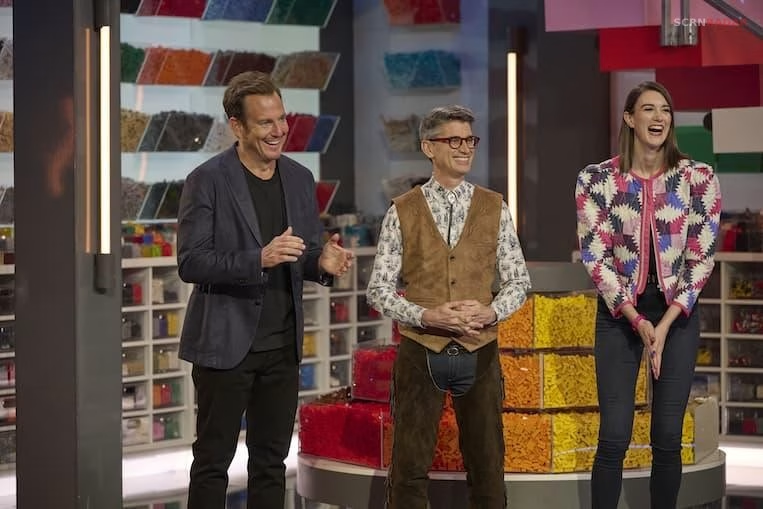
The judges, Jamie Berard and Amy Corbett, also played a larger role in emphasizing emotional storytelling. Rather than focusing only on technical perfection, they frequently encouraged contestants to think about personality, humor, and emotional impact.
This storytelling emphasis divided some fans, particularly those who preferred purely technical builds. However, it also helped the show differentiate itself from traditional engineering competitions by highlighting creativity as equally important.
Will Arnett Continued to Be the Show’s Secret Weapon
A major reason Lego Masters remains entertaining is Will Arnett’s hosting style. Season 3 once again benefited from his balance of comedy, enthusiasm, and genuine support for contestants. His energy prevented the competition from feeling overly serious despite the intense pressure builders faced.
Arnett’s humor also helped maintain the family-friendly tone of the series. His constant LEGO-themed jokes and playful interactions with contestants added levity during stressful elimination rounds. At the same time, he knew when to step back and allow emotional moments to resonate naturally.
The host’s passion for the competition also felt more genuine this season. Rather than appearing disconnected from the builds, Arnett actively engaged with the contestants and frequently expressed real excitement about their creativity. This enthusiasm contributed heavily to the show’s overall charm.
Season 3’s Biggest Strength Was Emotional Storytelling

What truly separated Season 3 from earlier seasons was its stronger emotional core. Many builds were tied to personal stories, childhood memories, or emotional themes rather than simply visual spectacle. This storytelling focus helped viewers connect more deeply with the contestants and their creations.
Several teams used their builds to reflect personal experiences, family relationships, or nostalgic inspirations. These emotional narratives gave the competition higher stakes because audiences became invested in the builders themselves rather than only the final results.
The finale especially emphasized this approach. Instead of simply rewarding the most technically advanced project, the judges looked for builds that combined engineering, creativity, and emotional resonance. This broader judging philosophy ultimately shaped the season’s outcome and sparked extensive fan discussion online.
While not every viewer agreed with every elimination or judging decision, the storytelling emphasis undeniably made Season 3 more memorable and emotionally engaging.
Some Production Choices Still Felt Overly Manufactured
Despite its strengths, Season 3 still suffered from some reality-TV excesses. The dramatic editing occasionally exaggerated tension in ways that felt unnecessary. Scenes involving moving fragile builds or countdown sequences were sometimes stretched purely for suspense.
Some longtime LEGO fans also criticized the show for prioritizing emotional backstories over technical judging consistency. Certain eliminations sparked online debate because viewers felt stronger builders were removed earlier than expected.
However, these criticisms are partly tied to the show’s broader identity. Lego Masters is designed as entertainment first and competition second. While hardcore LEGO enthusiasts may prefer stricter judging criteria, the emotional storytelling and dramatic structure help the series appeal to a wider audience.
Lego Masters Season 3 successfully expanded the scale, creativity, and emotional storytelling of the series while delivering some of its most memorable builds to date. The competition balanced technical engineering with artistic imagination, allowing different building styles to shine throughout the season.
Nick and Stacey’s victory reinforced the importance of storytelling and originality, while teams like Stephen and Stephen showcased the incredible technical possibilities of LEGO construction. Combined with strong hosting from Will Arnett and increasingly cinematic challenges, the season maintained consistent entertainment value from start to finish.
Although some production choices and judging decisions divided fans, Season 3 ultimately succeeded because it celebrated creativity in multiple forms. Whether viewers preferred detailed engineering, emotional narratives, or imaginative fantasy worlds, the season offered something memorable for every LEGO fan.