Kaun? remains one of the most unique psychological thrillers in Indian cinema. Directed by Ram Gopal Varma, the film strips away traditional storytelling elements and instead builds tension using a single location, a limited cast, and an atmosphere of paranoia. What begins as a simple home-invasion thriller slowly transforms into something far more disturbing and unpredictable.
The film follows a woman alone in her house during a stormy night, haunted by news of a serial killer on the loose. When a stranger arrives at her door, the narrative turns into a suspenseful game of trust and deception. However, it is the ending that truly elevates Kaun? into cult status, leaving viewers stunned and questioning everything they just watched.
If you’re confused about what really happened in the final moments, let’s break down the ending of Kaun?, who the real killer is, and what the chilling conclusion actually means.
What Happens in Kaun? Before the Ending?
The story of Kaun? revolves around a nameless woman, played by Urmila Matondkar, who is alone at home during a storm. The tension is immediately established with news reports about a serial killer roaming nearby, creating an atmosphere of fear and uncertainty.
Things escalate when a man named Sameer, played by Manoj Bajpayee, arrives at her doorstep asking for someone named Mr. Malhotra. His persistence and odd behavior make him suspicious, but the woman reluctantly allows him to stay nearby.
As the night progresses, strange events unfold. The woman claims her husband is upstairs, yet no one is actually there. The situation becomes even more unsettling when inconsistencies start appearing, making both the audience and the characters question what is real.
The Arrival of the “Inspector” and Rising Chaos

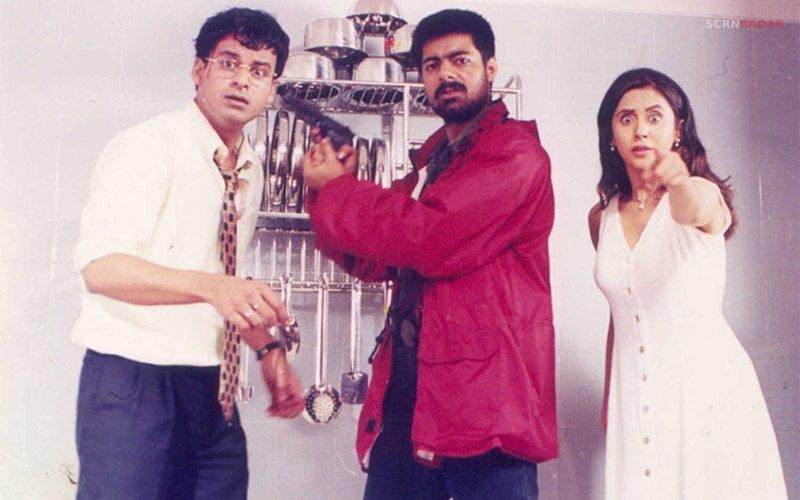
Midway through the film, a third man enters the story, claiming to be Inspector Qureshi. Armed with a gun, he introduces a new layer of danger and confusion to the already tense situation.
At first, it seems like he might be there to protect the woman. However, his behavior quickly raises doubts, and it is revealed that he is not a real police officer but a thief. This twist shifts the focus away from the serial killer narrative and creates a chaotic three-way conflict inside the house.
The presence of multiple suspicious characters blurs the lines between victim and villain. Each person appears capable of violence, making it nearly impossible to determine who can be trusted.
Kaun? Ending Explained: Who Was the Real Killer?
The film’s biggest twist comes in the final act, completely overturning the audience’s expectations. Throughout the movie, the woman appears to be the victim, frightened by the possibility of a killer targeting her.
However, the truth is far more disturbing. The woman herself is revealed to be the actual serial killer. The clues leading to this revelation are subtle but become clear in hindsight.
She has been manipulating both Sameer and Qureshi, playing the role of a terrified victim while orchestrating the chaos around her. Her calmness during certain moments and the inconsistencies in her story hint at her true nature.
What Happens to Sameer and Qureshi?
As the tension reaches its peak, Sameer discovers a dead body in the house, confirming that something is terribly wrong. This moment shifts his perspective, but it is already too late.
In the confusion, Sameer ends up killing Qureshi, believing him to be the serial killer. This plays directly into the woman’s plan, as it eliminates one threat while keeping suspicion away from her.
The final twist comes when the woman reveals her true nature. She turns on Qureshi and brutally kills him, all while maintaining an eerie sense of calm. Her actions confirm that she has been the real danger all along.
The Chilling Final Scene Explained
The next morning provides one of the most unsettling sequences in the film. Instead of showing remorse or panic, the woman is seen calmly cleaning up the house and disposing of the bodies.
She rearranges furniture, removes evidence, and behaves as if nothing unusual has happened. This normalcy is deeply disturbing because it contrasts sharply with the violence of the previous night.
The most chilling moment comes when the doorbell rings again. Another man arrives asking the same question about Mr. Malhotra, suggesting that the cycle is about to repeat itself.
The woman then looks directly at the camera and smiles, breaking the fourth wall. This moment confirms her identity as a manipulative and dangerous killer while directly involving the audience in her twisted world.
Why the Ending Twist Works So Well
The twist in Kaun? is effective because it completely subverts expectations. The film carefully positions the woman as the victim, encouraging viewers to sympathize with her.
By the time the truth is revealed, the audience has already formed an emotional connection with her. This makes the twist more surprising and unsettling.
Additionally, the film uses minimal exposition, allowing viewers to piece together clues on their own. This subtle approach enhances the impact of the reveal and encourages multiple viewings.
Hidden Clues You Might Have Missed
Several hints throughout the film foreshadow the final twist. The woman’s inconsistent statements about her husband are an early indication that something is not right.
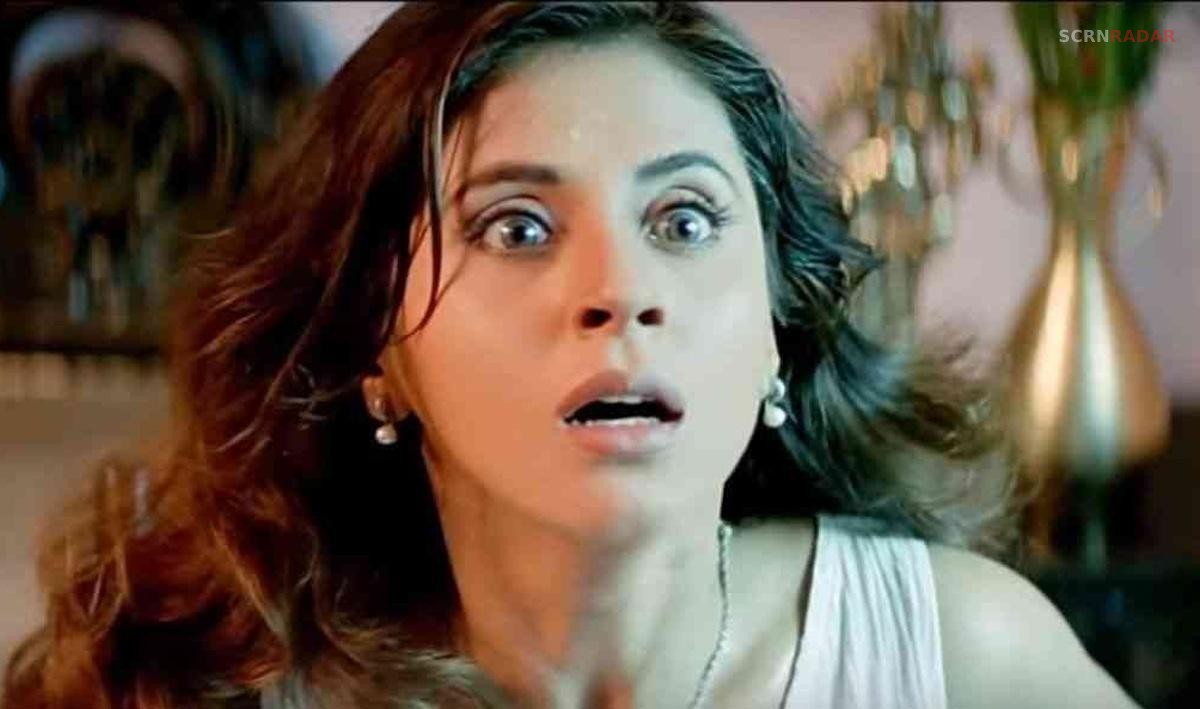
Her reactions to certain events also feel slightly off. While she appears frightened, there are moments where her behavior seems controlled rather than panicked.
The discovery of the dead cat and the hidden body further suggests that she is not as innocent as she appears. These details become much more significant once the ending is revealed.
The Psychological Meaning Behind the Ending
Beyond its surface-level twist, Kaun? explores deeper psychological themes. The film plays with the idea of perception and how easily people can be misled by appearances.
The woman represents the concept of hidden danger. She blends into normal society, using her appearance and behavior to avoid suspicion.
The ending also highlights the unpredictability of human nature. It suggests that evil does not always present itself in obvious ways, making it even more terrifying.
Is Kaun? a Horror Film or a Psychological Thriller?
While Kaun? is often categorized as a horror film, it is more accurately described as a psychological thriller. The movie relies on tension, suspense, and character dynamics rather than supernatural elements.
The fear comes from uncertainty and paranoia rather than jump scares. This makes the film more grounded and realistic, which enhances its impact.
The ending reinforces this classification by focusing on human behavior rather than external threats. The real horror lies in the revelation of the woman’s true nature.
How the Ending Redefines the Entire Movie
Once the twist is revealed, the entire film takes on a new meaning. Scenes that initially seemed straightforward become layered with hidden intentions.
The woman’s interactions with Sameer and Qureshi can now be seen as calculated moves rather than reactions. This reinterpretation adds depth to the story.
The ending also encourages viewers to question their assumptions. By presenting a seemingly vulnerable character as the villain, the film challenges traditional storytelling tropes.
The ending of Kaun? is a masterclass in suspense and psychological storytelling. By revealing the woman as the real killer, the film delivers a twist that is both surprising and deeply unsettling.

Its final scene, with the doorbell ringing again and the woman’s eerie smile, leaves a lasting impression. It suggests that her actions are part of a pattern, making the story feel even more disturbing.
Ultimately, Kaun? is not just about a single night of terror but about the nature of deception and hidden darkness. Its ending transforms the film into a chilling exploration of how easily appearances can be trusted, and how dangerous that trust can be.
Another fascinating aspect of the ending of Kaun? is how it plays with the audience’s sense of safety inside a confined space. The entire film takes place within a single house, which is typically seen as a place of comfort and protection.
However, by the end, that same space becomes a symbol of hidden danger. The realization that the threat was never outside but always inside completely flips the narrative. This reversal enhances the psychological horror, making viewers rethink how fear is constructed throughout the film.
The film’s use of sound and silence also becomes more meaningful once the ending is understood. The storm, the doorbell, and the sudden quiet moments all contribute to building tension, but they also reflect the woman’s control over the situation.
After the reveal, these elements feel less random and more deliberate, almost like tools used to manipulate both the characters and the audience. This subtle use of atmosphere is one of the reasons Kaun? continues to be studied as a masterclass in minimalistic filmmaking.
Finally, the open-ended nature of the conclusion adds to the film’s lasting impact. There is no resolution, no capture, and no justice served for the crimes committed. Instead, the story ends with the implication that the woman will continue her deadly pattern, targeting new victims who unknowingly walk into her trap.
This lack of closure makes the ending even more disturbing because it mirrors real-world fears where danger often goes unnoticed. It leaves viewers with a lingering sense of unease long after the film ends.