The Icelandic sci-fi mystery Katla charmed viewers with its slow-burn storytelling, eerie atmosphere, and deeply emotional themes. Set in the shadow of a constantly erupting volcano, the series follows the residents of Vík as strange ash-covered duplicates of missing people begin to appear. As the narrative unfolds, the mystery deepens, blending psychological drama with supernatural elements.
By the time the finale arrives, Katla leaves audiences with more questions than clear answers, making its ending one of the most discussed aspects of the show. The final episodes focus heavily on identity, unresolved trauma, and the consequences of confronting the past. Understanding the Katla ending explained requires looking beyond surface-level events and exploring the emotional and symbolic layers embedded in the story.
This breakdown explores what really happened in the finale, what the “grimers” represent, and what the ending ultimately means.
What Are the “Grimers” in Katla?
The central mystery of Katla revolves around the appearance of ash-covered duplicates, often referred to as “grimers.” These figures emerge from the glacier near the volcano and resemble real people, both living and dead. However, they are not simple copies; instead, they seem to embody suppressed emotions, memories, and regrets.
The show gradually reveals that the volcano is not just a natural phenomenon but a force that manifests human consciousness. The grimers appear to be physical representations of unresolved trauma, bringing buried feelings to the surface. This concept explains why each duplicate behaves differently and often struggles with identity.
Rather than offering a purely scientific explanation, Katla leans into psychological and symbolic storytelling. The grimers force characters to confront truths they have long avoided, making them central to the show’s emotional impact.
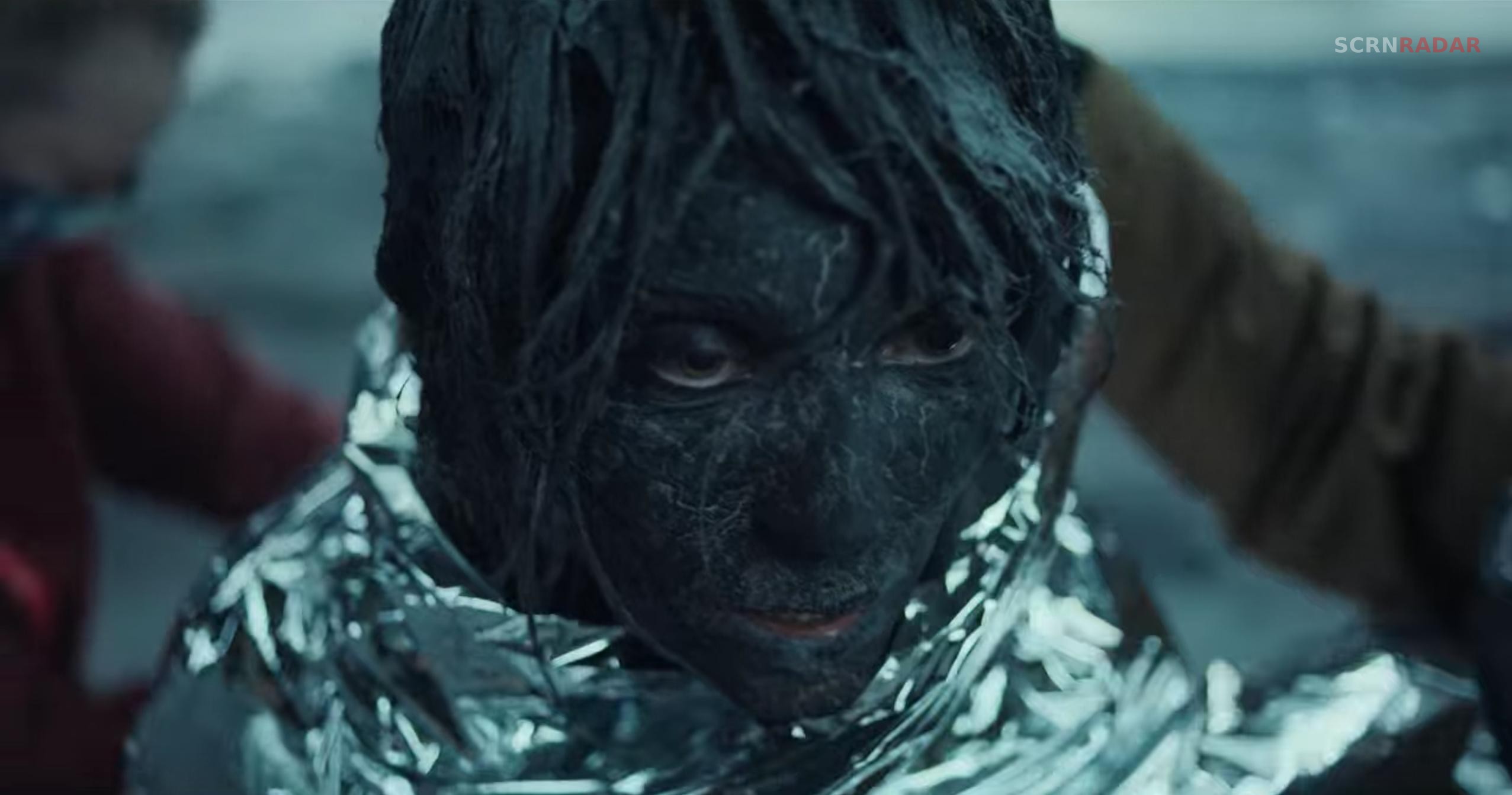
One of the most important arcs in the Katla ending explained is that of Gríma. Throughout the series, she grapples with guilt over her sister Ása’s death and struggles to move forward. When a duplicate of Ása appears, it triggers a complex emotional journey that challenges Gríma’s perception of reality.
By the finale, Gríma begins to understand that the duplicate is not truly her sister but a manifestation of her own unresolved grief. This realization is crucial because it allows her to confront her pain instead of avoiding it. The emotional climax comes when she accepts the loss and begins the process of letting go.
Gríma’s decision represents one of the few moments of emotional resolution in the series. It suggests that healing is possible, but only through acknowledgment and acceptance of the past.
The Final Twist: Why More Duplicates Appear
In the closing moments of Katla, the appearance of additional duplicates hints that the phenomenon is far from over. This twist reinforces the idea that the volcano’s power is ongoing and possibly uncontrollable. It also suggests that the events in Vík are not isolated but could continue indefinitely.
The final scenes imply that the grimers are not just tied to specific individuals but are part of a larger cycle. As long as people carry unresolved emotions, the volcano may continue to manifest these physical forms. This open-ended conclusion leaves room for interpretation and potential continuation.
Rather than providing closure, the ending emphasizes uncertainty and the persistence of human emotions. This ambiguity is a defining feature of the show’s storytelling style.
What the Katla Ending Really Means
At its core, Katla is less about science fiction and more about human psychology. The Katla ending explained highlights themes of grief, identity, and self-confrontation. The volcano serves as a metaphor for the human mind, where buried emotions can erupt when left unresolved.
The duplicates represent the parts of ourselves we try to ignore or suppress. By bringing these aspects into physical form, the series forces characters to face their inner conflicts. This interpretation aligns with the show’s slow, introspective tone.
The ending ultimately suggests that running from the past is impossible. True resolution comes from confronting pain and accepting it as part of one’s identity. This message gives the series its emotional depth and lasting impact.