Kane Parsons is looking back at the unexpected journey of Backrooms, his feature filmmaking debut that transformed a viral YouTube concept into a major theatrical success. Speaking at the Zurich Film Festival Summit, Parsons discussed how audiences reacted when the first trailer revealed A24’s adaptation of his internet-born series.
The filmmaker said the trailer immediately triggered curiosity among people who had followed the original Backrooms concept online for years. Parsons recalled that the response included people wondering,
“How did Hollywood mess this up?”
He added that he hoped the movie ultimately remained faithful to the core idea audiences already knew.
Kane Parsons Does Not Consider Backrooms a Traditional Horror Movie
Although Backrooms has largely been marketed as a horror film, Parsons explained that he did not approach the project from that perspective.
“I didn’t direct it like a horror film. I don’t view it as a horror project,”
Parsons said during the Zurich Summit. He explained that horror was simply the most natural way for the marketing campaign to frame the movie, while he preferred to focus on the story without being restricted by genre labels.
That approach helped Backrooms stand apart from more conventional horror releases. The film stars Renate Reinsve and Chiwetel Ejiofor and follows therapist Dr. Mary Kline after her patient disappears into an alternate dimension.
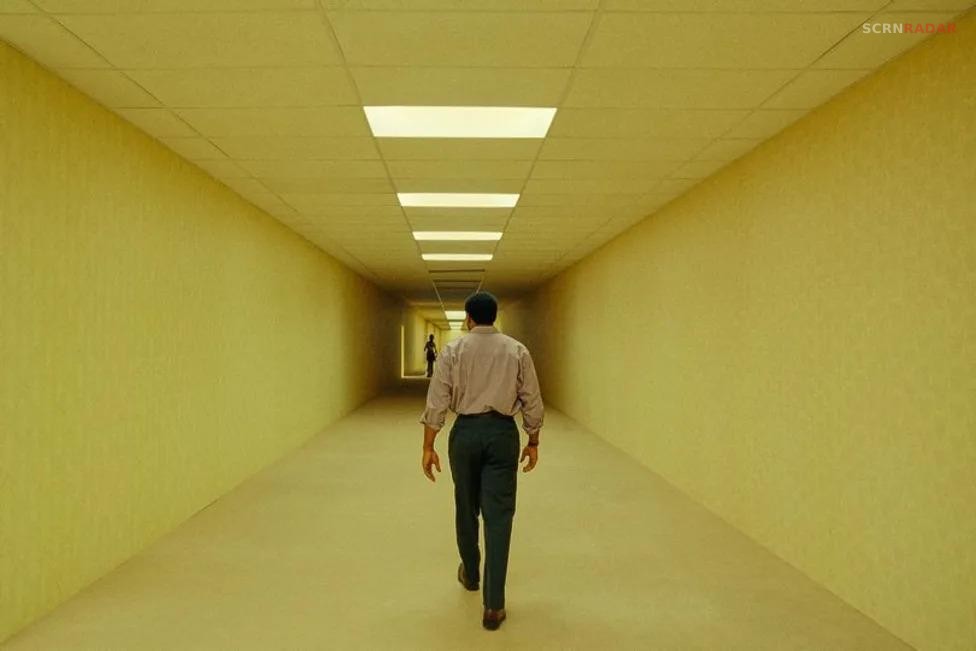
The movie expands on Parsons’ original YouTube series, which he began creating as a teenager. What started as short-form online filmmaking eventually became a theatrical production backed by A24.
Backrooms Became a $401 Million Box Office Success
The scale of the movie’s theatrical performance exceeded expectations. Backrooms reportedly earned approximately $401 million worldwide following its May 2026 release, making Parsons’ first feature one of the year’s notable box-office successes.
At the Zurich event, Parsons argued that the film demonstrated an appetite for fresh ideas originating outside Hollywood’s traditional franchise system. He described Backrooms as a
“pre-existing but decentralized IP presence online,”
suggesting that audiences may be increasingly interested in concepts that do not come from established cinematic universes.
Academy CEO Bill Kramer also pointed to Backrooms as evidence that younger audiences are still interested in theatrical movies. He said the connection between YouTube culture and moviegoing was something the industry had not fully anticipated.
Parsons also rejected the idea that younger viewers simply prefer short-form entertainment. He called that assumption “reductive,” arguing that algorithms play a major role in pushing people toward shorter content.
When asked whether Backrooms could continue with another movie, Parsons offered a brief response:
“We’ll see.”