When Kevin Smith’s Tusk premiered in 2014, audiences were left asking the same question: could a movie this strange possibly be based on a true story? The film follows podcaster Wallace Bryton, who is kidnapped by an eccentric sailor and surgically transformed into a walrus. Its unsettling body horror, dark comedy, and surprisingly tragic ending have helped it gain cult status over the years.
Part of what makes Tusk so fascinating is that the film openly claims to be inspired by real events. That statement has led many viewers to wonder whether there was an actual case involving a man being turned into a walrus. The truth is far less horrifying, but arguably just as bizarre. The movie’s origins can be traced back to an unusual internet advertisement, a podcast conversation, and Kevin Smith’s willingness to turn an absurd joke into a feature film.
Let’s break down whether Tusk is based on a true story, what really inspired the movie, and the deeper meaning hidden beneath its surprising premise.
Is Tusk Based on a True Story?
The short answer is no. Nobody was ever kidnapped and surgically transformed into a walrus in real life. The events depicted in Tusk are entirely fictional and were created for the movie. However, the film’s origin does have roots in a real internet story, which is why many people mistakenly believe it is based on actual events.
The inspiration came from a bizarre advertisement posted on Gumtree, a classified advertising website popular in the United Kingdom. The ad claimed that a homeowner was willing to offer free accommodation to someone who agreed to dress up as a walrus for a few hours each day. The person posting the ad explained that he had once been stranded at sea and saved by a walrus, creating a lifelong affection for the animal.
The advertisement quickly spread online because of its unusual nature. Many people debated whether it was real, while others simply laughed at the strange request. Eventually, it was revealed that the ad was actually a hoax created by British writer and prankster Chris Parkinson.
Although the advertisement itself was fake, it became the foundation for Tusk. Kevin Smith discovered the story and became fascinated by the possibilities it presented. Rather than treating it as a simple joke, he began imagining a horror story that could explain why someone would want another person to become a walrus.
That creative leap ultimately became Tusk.
How Kevin Smith Turned a Joke Into a Horror Movie
The creation of Tusk is one of the most unusual origin stories in modern filmmaking. The idea emerged during an episode of Kevin Smith’s podcast, SModcast, where he and producer Scott Mosier discussed the walrus advertisement in detail. What started as a humorous conversation gradually evolved into a brainstorming session about a potential horror movie.
During the podcast, Smith and Mosier spent a significant amount of time imagining scenarios inspired by the ad. They discussed the possibility of a lonely man obsessed with walruses and explored increasingly disturbing ideas. The conversation resonated with listeners because it combined absurd humor with genuinely creepy concepts.
Smith later asked his audience whether they would watch a movie based on the concept. Fans responded enthusiastically through social media, encouraging him to move forward with the project. The overwhelming support convinced him that the strange idea had potential beyond a podcast discussion.
The filmmaker quickly wrote the screenplay and transformed the joke into a full-fledged body horror film. In a fitting twist, Chris Parkinson, the creator of the original hoax advertisement, was eventually brought onto the project as an associate producer.
This unusual development means that while Tusk is not based on a true crime or historical event, its existence can be directly traced to a real internet prank.
The Story of Tusk Explained
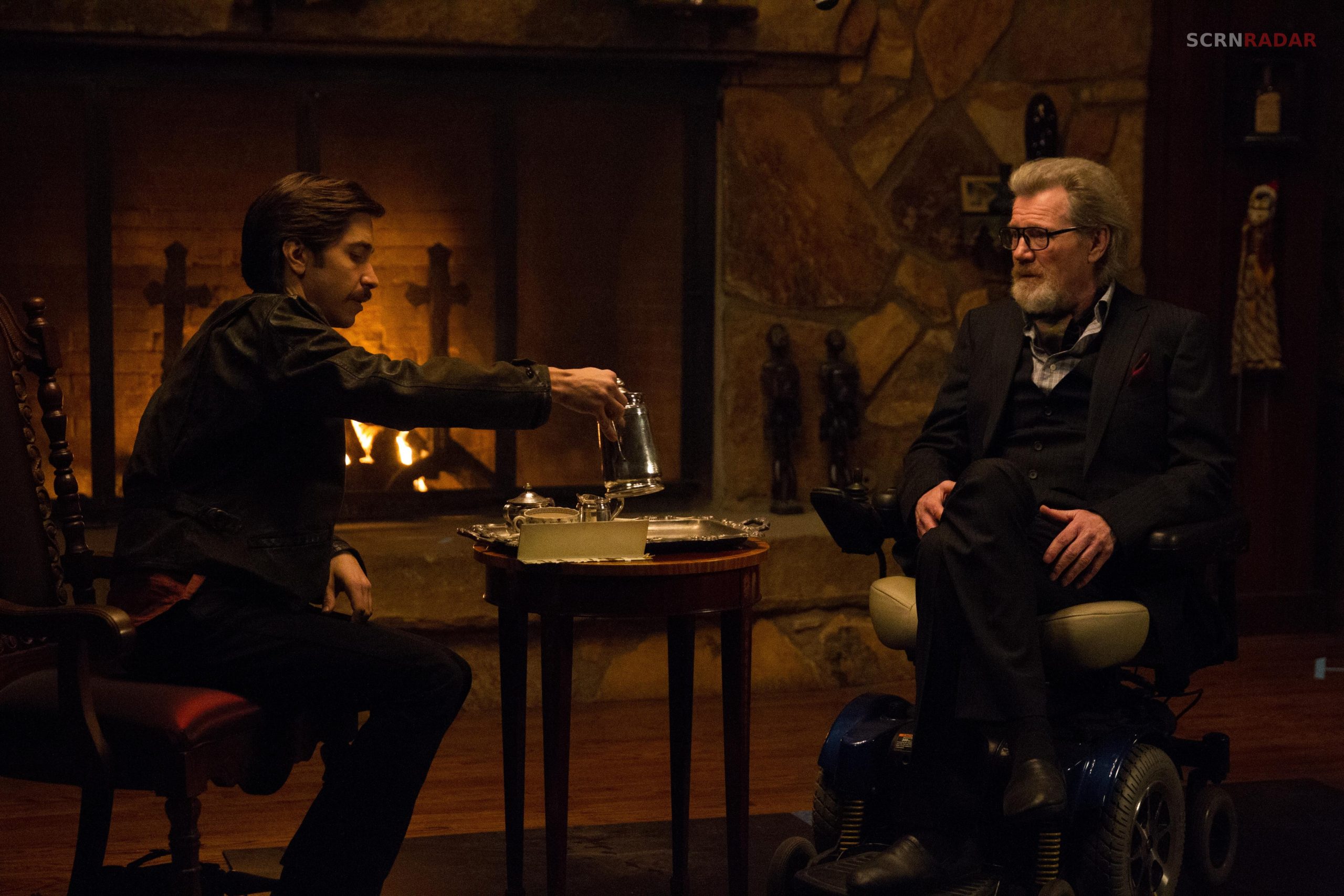
The movie centers on Wallace Bryton, a podcaster known for mocking unusual people online. After a planned interview falls through, Wallace encounters Howard Howe, an elderly sailor who claims to have lived an extraordinary life full of adventures. Wallace travels to meet him, hoping to find material for his podcast.
Howard initially appears charming and intelligent. He tells stories about his travels and describes a walrus named Mr. Tusk that supposedly saved his life during a shipwreck. As the evening progresses, Wallace unknowingly consumes drugged tea and loses consciousness.
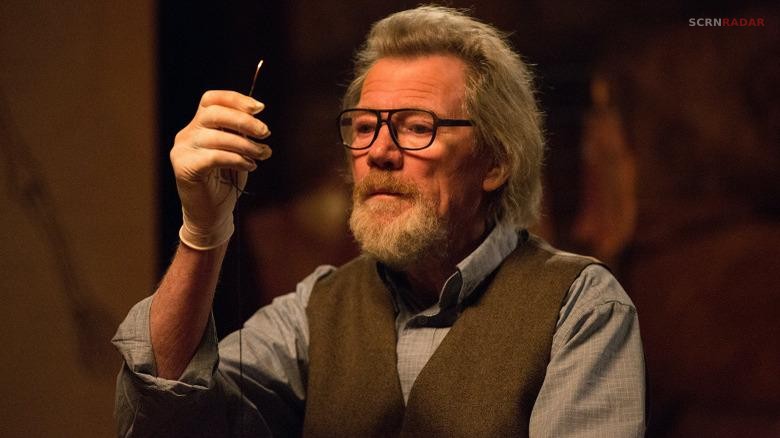
When Wallace awakens, he discovers that Howard has begun surgically modifying his body. Howard’s goal is to recreate Mr. Tusk by transforming Wallace into a living walrus. The process becomes increasingly grotesque as Wallace loses his humanity piece by piece.
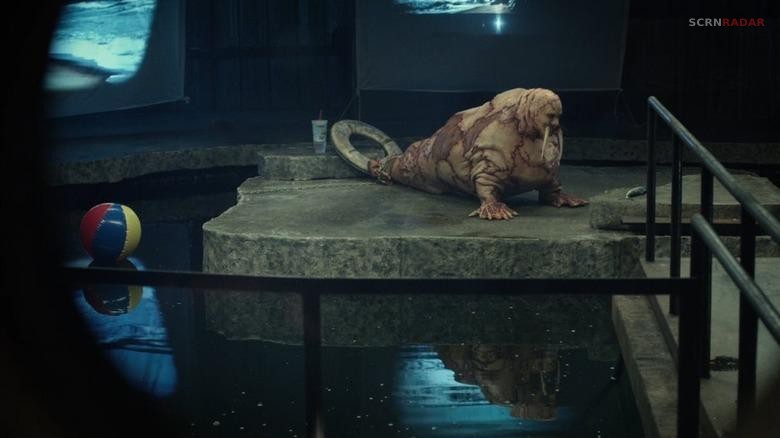
The film eventually reveals that Howard has attempted similar transformations before, using other victims as part of his obsession. By the climax, Wallace has been completely altered into a horrifying human-walrus hybrid. Although Howard is ultimately defeated, Wallace remains trapped in his transformed state.
This ending remains one of the most disturbing aspects of the film because it offers no miraculous reversal or redemption.
What Does the Walrus Symbolize in Tusk?
While Tusk can be enjoyed as a bizarre horror film, many viewers have interpreted it as a story filled with symbolic meaning. The walrus transformation serves as more than a surprising visual gimmick. It represents a complete loss of identity and humanity.
Throughout the movie, Wallace is portrayed as arrogant, selfish, and emotionally detached. He frequently exploits people for entertainment and shows little concern for how his actions affect others. Before his transformation begins, he already displays a lack of empathy that makes him difficult to sympathize with.
Howard sees Wallace as the perfect candidate for his twisted experiment. In Howard’s eyes, Wallace is already less than human because of his behavior. The physical transformation into a walrus becomes an extreme reflection of Wallace’s moral flaws.
The symbolism also works on a broader level. The walrus represents isolation and captivity. Once transformed, Wallace loses his voice, his independence, and his ability to connect with others. He becomes trapped inside a body he never chose, unable to communicate his humanity to the outside world.
This idea of being imprisoned within one’s own body is one of the film’s most disturbing themes and helps explain why the story remains memorable long after the credits roll.
The Meaning Behind Howard Howe’s Obsession
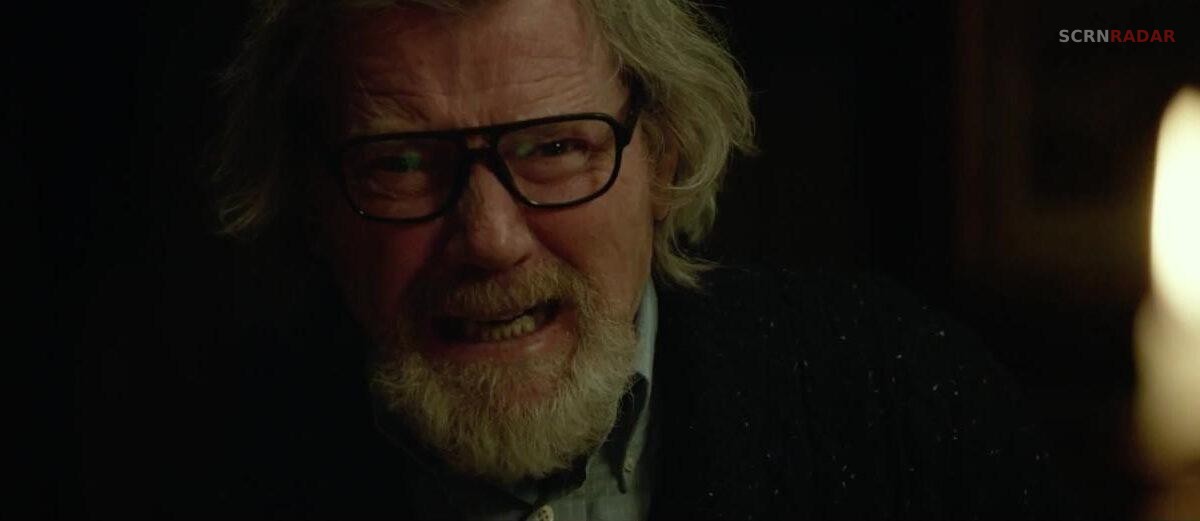
Howard Howe is one of the strangest villains in modern horror. Unlike traditional killers motivated by money or revenge, Howard is driven by nostalgia and psychological trauma.
According to his stories, Mr. Tusk saved his life during a shipwreck. Whether every detail of his account is true remains open to interpretation, but it is clear that the walrus became the defining figure of Howard’s existence. He develops an emotional attachment that eventually grows into obsession.
Howard spends years attempting to recreate the bond he once experienced with the animal. Since he cannot bring Mr. Tusk back, he decides to manufacture a replacement. This twisted desire leads him to transform human beings into walruses.
The character reflects a recurring theme in horror stories: the danger of obsession. Howard becomes so consumed by his memories that he loses his ability to distinguish between love and cruelty. What he considers an act of tribute is actually an act of horrific violence.
His obsession also highlights how nostalgia can become destructive when people refuse to let go of the past.
Why the Ending of Tusk Is So Disturbing
Many horror movies conclude with the protagonist escaping danger or defeating the villain. Tusk deliberately avoids that convention.
Although Howard dies during the climax, Wallace never regains his human form. His friends rescue him, but they cannot undo the damage. In the final scenes, Wallace lives in an animal sanctuary, existing as a walrus despite retaining some trace of human consciousness.
This ending unsettles audiences because it denies closure. The physical horror remains permanent, forcing viewers to imagine a future where Wallace must spend the rest of his life trapped in a body that is not his own.
The conclusion also reinforces the film’s themes of identity loss and dehumanization. Wallace survives, but survival comes at a terrible cost. The audience is left wondering whether his existence can still be considered a life at all.
By refusing to restore the status quo, Tusk leaves a lasting emotional impact that many traditional horror films lack.
Why Tusk Has Become a Cult Horror Favorite
When Tusk was first released, critical and audience reactions were deeply divided. Some viewers found it ridiculous, while others appreciated its willingness to embrace absurdity. Over time, however, the film has developed a devoted cult following.
Part of its appeal comes from how unique it feels. Horror fans have seen countless stories about ghosts, serial killers, and monsters. A movie about a man being transformed into a walrus stands apart from nearly everything else in the genre.
The film also reflects Kevin Smith’s creative freedom. Rather than chasing mainstream trends, he embraced a bizarre idea that many studios would never approve. That willingness to take risks has earned the movie respect among genre fans.
Additionally, the movie balances horror and comedy in ways that keep audiences uncertain about how seriously they should take the story. That tonal unpredictability has helped Tusk remain a frequent topic of discussion years after its release.
Tusk is not based on a true story in the traditional sense. No real person was transformed into a walrus, and the film’s horrifying events are entirely fictional. However, the movie was inspired by a genuine internet hoax involving a bizarre walrus-themed rental advertisement that captured Kevin Smith’s imagination.
What began as a prank ad and a podcast joke evolved into one of the strangest horror films of the 2010s. Beneath its outrageous premise lies a surprisingly thoughtful exploration of identity, obsession, isolation, and the loss of humanity. Those themes help explain why Tusk continues to attract attention long after its initial release.
Whether viewers find it terrifying, absurd, or darkly hilarious, Tusk remains a unique example of how an odd internet story can evolve into unforgettable horror cinema.