Fleabag Season 2 delivers one of the most emotionally resonant endings in modern television. Created by and starring Phoebe Waller-Bridge, the series builds toward a finale that feels both heartbreaking and deeply satisfying. The final episode doesn’t rely on dramatic twists or surprising reveals but instead focuses on emotional truth, personal growth, and acceptance.
Throughout Season 2, Fleabag finds herself unexpectedly falling for the The Priest, a man bound by faith and vows that complicate their connection. Their relationship becomes the emotional core of the season, forcing Fleabag to confront her past, her guilt, and her fear of intimacy. By the finale, every lingering emotional thread—from her grief over Boo to her complicated family dynamics—comes to a quiet but powerful resolution.
The ending is subtle but loaded with meaning. It marks a turning point not just for Fleabag’s romantic life, but for her relationship with herself. Rather than offering a conventional happy ending, the series closes with something more honest: growth, acceptance, and the courage to move forward alone.
Why Fleabag and the Priest Don’t End Up Together
At the heart of the finale is Fleabag’s relationship with the Priest, which ultimately cannot survive reality. Despite their undeniable chemistry and emotional connection, the Priest chooses his commitment to God over a romantic future with Fleabag. His decision is not portrayed as a rejection of her but as an acceptance of his own identity and purpose.
This choice reinforces one of the show’s core themes: love does not always mean staying together. The Priest’s famous line about love being “awful” and “painful” reflects the reality of their situation. He loves Fleabag, but that love is not enough to override his calling.
For Fleabag, this moment is transformative. Instead of spiraling or deflecting with humor, she accepts the outcome with a quiet understanding. It is a significant departure from her behavior in Season 1, showing how much she has grown emotionally.
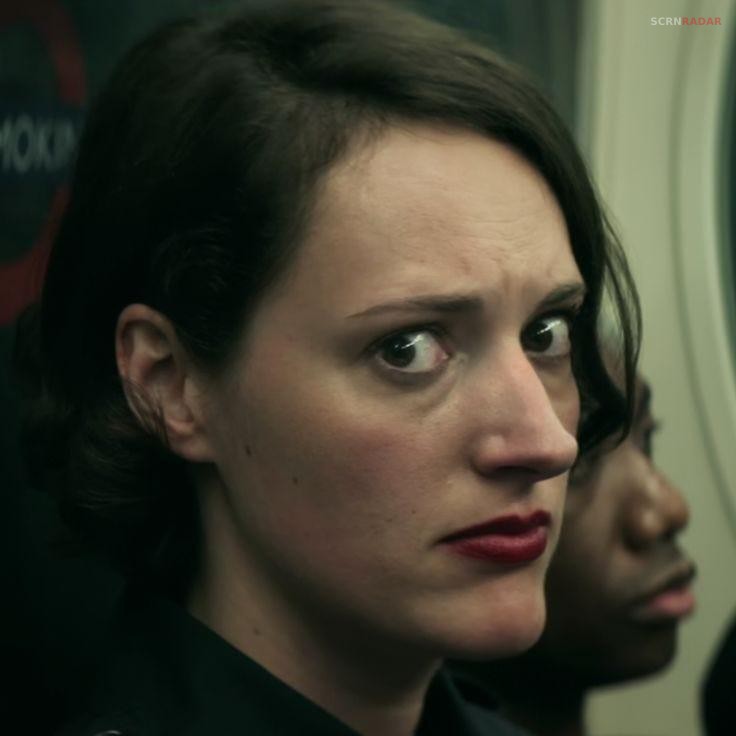
One of the defining elements of Fleabag is the protagonist’s habit of breaking the fourth wall. These asides act as a coping mechanism, allowing her to distance herself from reality and maintain control over her narrative. However, the Priest is the first person who notices this behavior, subtly challenging her emotional defenses.
In the final scene, Fleabag turns to the camera one last time—but instead of inviting the audience along, she waves goodbye. This moment is symbolic of her letting go of the crutch she once relied on. She no longer needs to escape into commentary or distraction.
The gesture represents closure. Fleabag is choosing to live fully in her reality, without hiding behind humor or detachment. It is a quiet but powerful sign of healing and self-acceptance.
How the Ending Reflects Fleabag’s Emotional Growth
Season 2 is ultimately about Fleabag learning to face her pain rather than avoid it. Her guilt over Boo’s death, which defined her actions in Season 1, no longer controls her. Instead, she begins to process her grief in a healthier way, allowing herself to be vulnerable.
Her relationships also evolve significantly. Her bond with Claire reaches a more supportive and honest place, especially as Claire makes her own bold life choices. Meanwhile, Fleabag’s strained relationship with her father finds a sense of uneasy resolution.
By the end, Fleabag is not “fixed,” but she is no longer stuck. She understands herself better and is more open to the possibility of a healthier future. This nuanced growth is what makes the ending feel authentic rather than overly sentimental.