The final season of F Is For Family arrives with a mix of crude humor, emotional storytelling, and long-awaited character resolutions. Released on Netflix in November 2021, Season 5 brings closure to the chaotic yet relatable Murphy family, wrapping up years of dysfunction, growth, and generational trauma. Created by Bill Burr and Michael Price, the show has always balanced outrageous comedy with grounded storytelling, and this final chapter leans even more into its emotional core.
Set in the 1970s, the series explores middle-class suburban life with brutal honesty. Season 5 continues that tradition while adding a sense of finality that is hard to ignore. With major developments like the death of Frank’s father and the evolution of key relationships, the show takes bold steps toward closure. While the humor remains as unapologetically crude as ever, it is the emotional depth that ultimately defines this final outing.
A Final Season Focused on Closure and Consequences
Season 5 of F Is For Family wastes no time establishing its emotional stakes. The death of Big Bill Murphy in the opening episode sets the tone for a season centered on reflection and growth. Frank’s complicated relationship with his father has always been a core part of his character, and this event forces him to confront unresolved issues.
Unlike earlier seasons that thrived on chaos and dysfunction, this final chapter feels more introspective. Characters are no longer stuck in repetitive cycles but are actively trying to change. This shift gives the season a sense of purpose, as each storyline contributes to the overarching theme of closure.
The narrative also emphasizes how past actions shape the present. Frank’s fear of becoming like his father becomes more pronounced, adding emotional weight to his journey. This makes the season feel like a culmination of everything that came before it.

Character Development Takes Center Stage
One of the biggest strengths of Season 5 is its focus on character growth. Over the years, the Murphy family has been defined by their flaws, but this final season allows them to evolve in meaningful ways. Frank, in particular, undergoes significant development as he learns to manage his anger and become a better father.
Sue emerges as one of the most grounded and compelling characters in the season. Her determination to keep the family together while pursuing her own ambitions adds depth to her role. She serves as the emotional anchor of the Murphy household, often providing stability amid chaos.
Kevin, Bill, and Maureen each receive their own arcs that reflect their struggles and growth. Kevin deals with heartbreak and maturity, Bill explores identity and rebellion, and Maureen embraces her eccentric personality. These storylines ensure that every member of the family gets a moment to shine.
Balancing Crude Humor with Emotional Depth
F Is For Family has always been known for its crude, sometimes lowbrow humor. Season 5 continues to deliver on that front, rarely missing an opportunity for outrageous jokes. However, what sets the show apart is how it integrates this humor into a larger narrative.
The comedy is not just a collection of random gags but is tied directly to character and story. This allows the humor to feel organic rather than forced. Even the most absurd moments often reveal something deeper about the characters.
At the same time, the show knows when to pull back. Some of the most effective scenes rely on subtlety rather than shock value. These moments highlight the show’s ability to operate on multiple levels, appealing to both casual viewers and those looking for deeper storytelling.
Expanding the World Beyond the Murphy Family

While the Murphy family remains the central focus, Season 5 expands its scope by giving more attention to supporting characters. Rosie, for example, continues to play a significant role, evolving into one of the show’s most important figures.
Other characters like Vic also receive meaningful development. His journey toward sobriety and fatherhood adds a new dimension to his character. These arcs help create a richer and more interconnected world.
However, this expanded focus can occasionally feel overwhelming. With multiple storylines unfolding simultaneously, some characters receive less screen time than others. While this does not derail the narrative, it can make certain arcs feel slightly underdeveloped.
A More Serialized Approach to Storytelling
Unlike many animated sitcoms, F Is For Family has always leaned toward serialized storytelling. Season 5 continues this trend by building its narrative across the entire season rather than relying solely on episodic plots.
This approach allows for deeper character exploration and more meaningful story arcs. Events in one episode have lasting consequences, creating a sense of continuity that is often missing in similar shows. It also makes the final season feel more cohesive.
At the same time, the show maintains a balance between long-term storytelling and episodic humor. Individual episodes still have their own identity, ensuring that the pacing remains engaging. This balance is one of the key reasons the show stands out in the crowded animated comedy genre.
Emotional Themes Drive the Final Episodes
As the season progresses, emotional themes become increasingly prominent. Issues such as family dynamics, generational trauma, and personal growth take center stage. These elements give the show a depth that goes beyond its comedic roots.
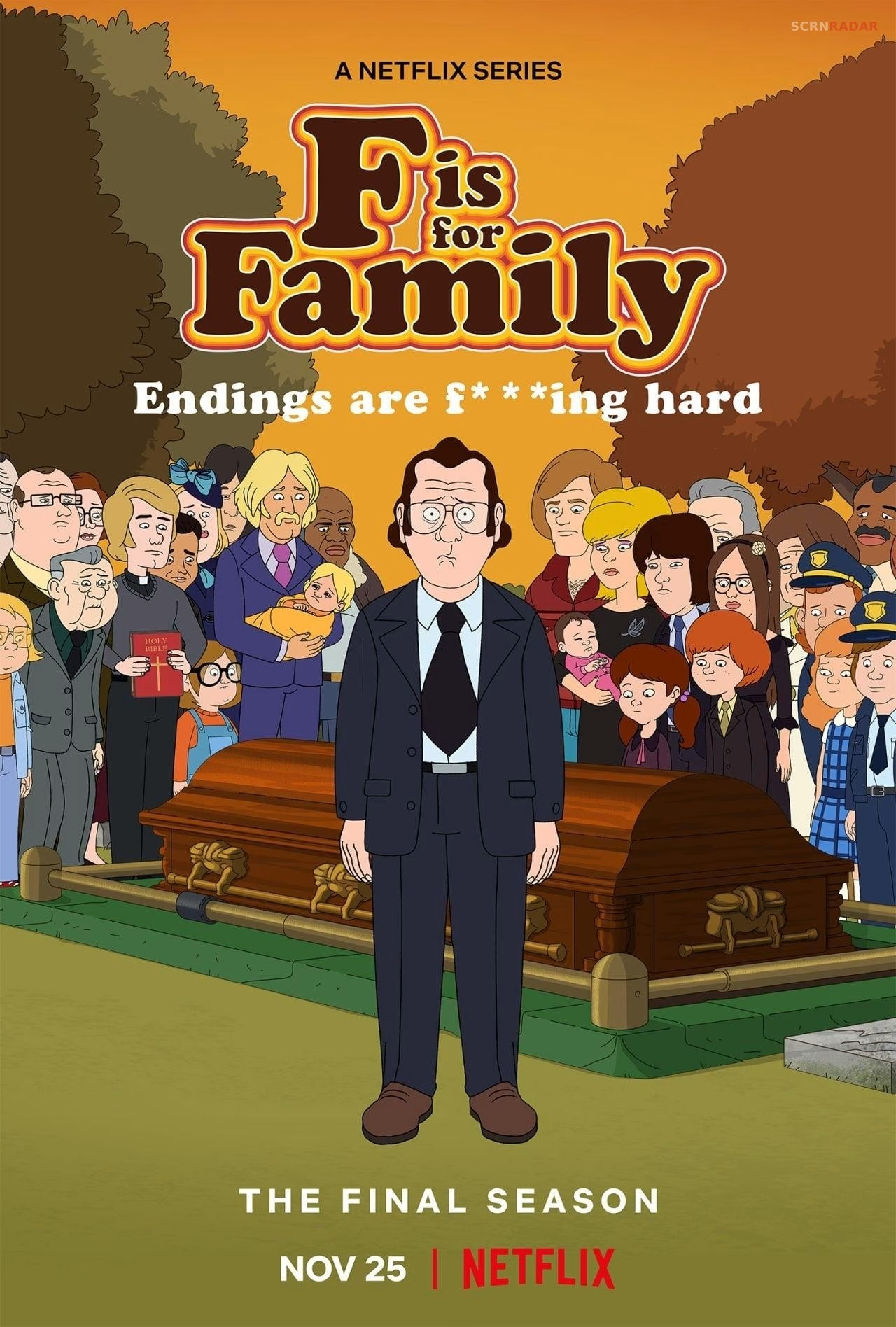
Frank’s journey is particularly impactful. His struggle to break free from the patterns set by his father resonates strongly, especially as he begins to understand the importance of change. This adds a layer of poignancy to the final episodes.
The show also explores the idea that life does not always provide neat resolutions. While many storylines reach a conclusion, there is a sense that the characters’ lives will continue beyond the screen. This makes the ending feel both satisfying and realistic.
Where Season 5 Falls Short
Despite its strengths, Season 5 is not without its flaws. The sheer number of storylines can make the narrative feel crowded at times. Some arcs, particularly those involving supporting characters, do not receive the depth they deserve.
The reliance on crude humor may also be a drawback for some viewers. While it is a core part of the show’s identity, it can occasionally overshadow the more nuanced aspects of the storytelling. Certain jokes feel repetitive, especially for long-time viewers.
Additionally, the pacing can be uneven in places. Some episodes juggle multiple plotlines, which can make transitions feel abrupt. These issues do not significantly impact the experience, but they are worth noting.
A Fitting and Emotional Finale
The final episodes of F Is For Family Season 5 deliver a conclusion that feels both earned and emotionally resonant. The show takes time to reflect on how far its characters have come, offering moments of closure without losing its comedic edge.
One of the most satisfying aspects of the finale is how it brings the Murphy family together. After years of conflict and dysfunction, there is a sense of unity that feels genuine. This reinforces the show’s central theme of family, even in its most imperfect form.
The ending also highlights the cyclical nature of life. While the characters have grown, they are still sterring the same challenges that define everyday existence. This grounded approach ensures that the finale feels authentic rather than overly sentimental.