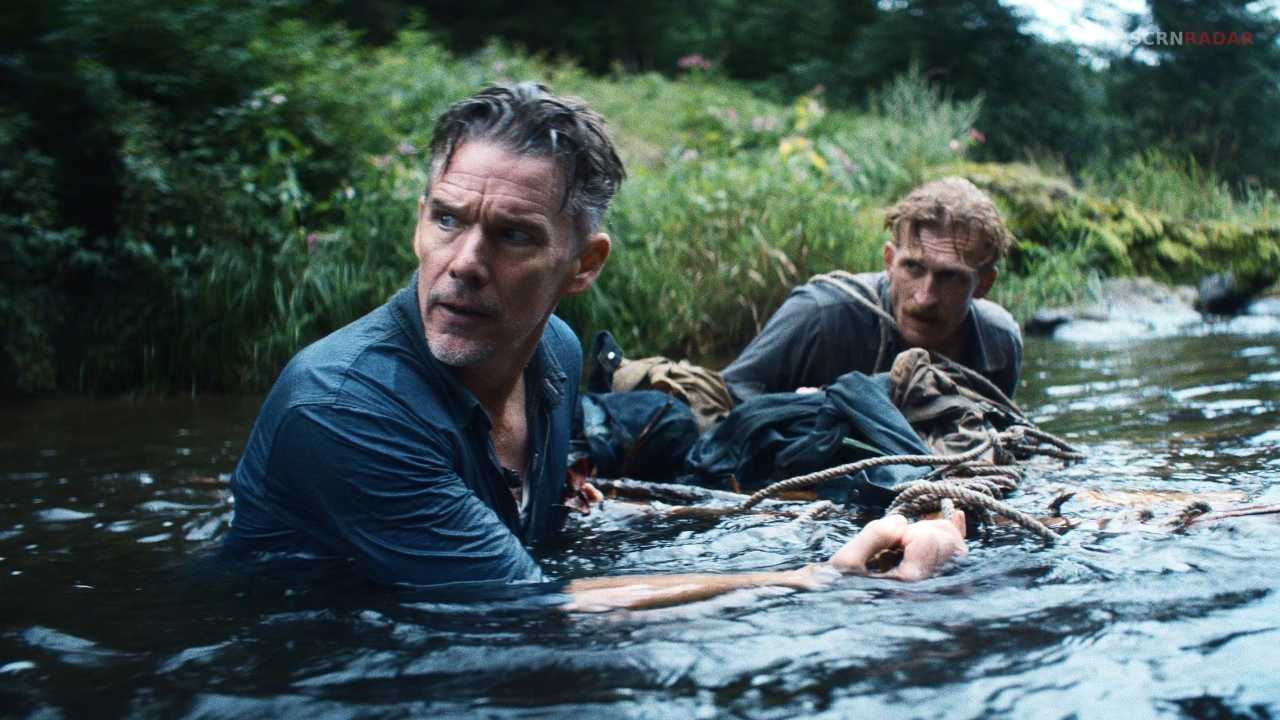
Ethan Hawke is embracing a more physical style of filmmaking with The Weight, the new historical thriller that puts him through one of the most demanding shoots of his career. Directed by Padraic McKinley, the film stars Hawke as Samuel Murphy, a Depression-era father forced into a dangerous gold-smuggling mission after being imprisoned and separated from his daughter. The film opened in U.S. theaters on September 18, 2026.
In an interview with The Hollywood Reporter, Hawke explained why making The Weight in real locations was important to him and discussed the possibility of returning as The Grabber in another Black Phone movie.
Ethan Hawke Wanted The Weight to Feel Physically Real
Hawke has become increasingly critical of filmmaking that relies too heavily on digital environments, arguing that real locations can create an authenticity that visual effects cannot completely reproduce. He specifically compared the experience to his work on Training Day, where much of the movie involved Hawke and Denzel Washington actually driving through Los Angeles.
“50 percent of that movie is Denzel and I driving around in a car,”
Hawke told The Hollywood Reporter. He added that filming those sequences against a green screen would have made the movie feel fundamentally different.
That philosophy shaped The Weight, which was filmed in Bavaria while standing in for 1930s Oregon. The film follows Murphy as he leads a group of prisoners through dangerous wilderness while transporting gold, with his freedom and relationship with his daughter hanging in the balance.
Hawke also described the production as one of the most challenging shoots of his career. However, the difficult conditions reminded him of the adventurous atmosphere he experienced while making White Fang as a teenager.
The Weight Gives Hawke a Different Kind of Hero
Rather than approaching Murphy as a conventional antihero, Hawke wanted the character to embody principles he associated with his grandfather’s generation. Murphy is struggling against poverty, imprisonment and a system that has left him with few options, but his motivation remains centered on protecting his daughter.
Hawke explained that he had been missing stories built around
“principle, humility, integrity, dignity and respect for others.”
That perspective became an important part of his approach to Murphy.
The film also allowed Hawke to finally work with Russell Crowe, an actor he has admired for years. The pair had previously come close to working together when Hawke pursued the role that eventually went to Paul Bettany in Peter Weir’s Master and Commander: The Far Side of the World.
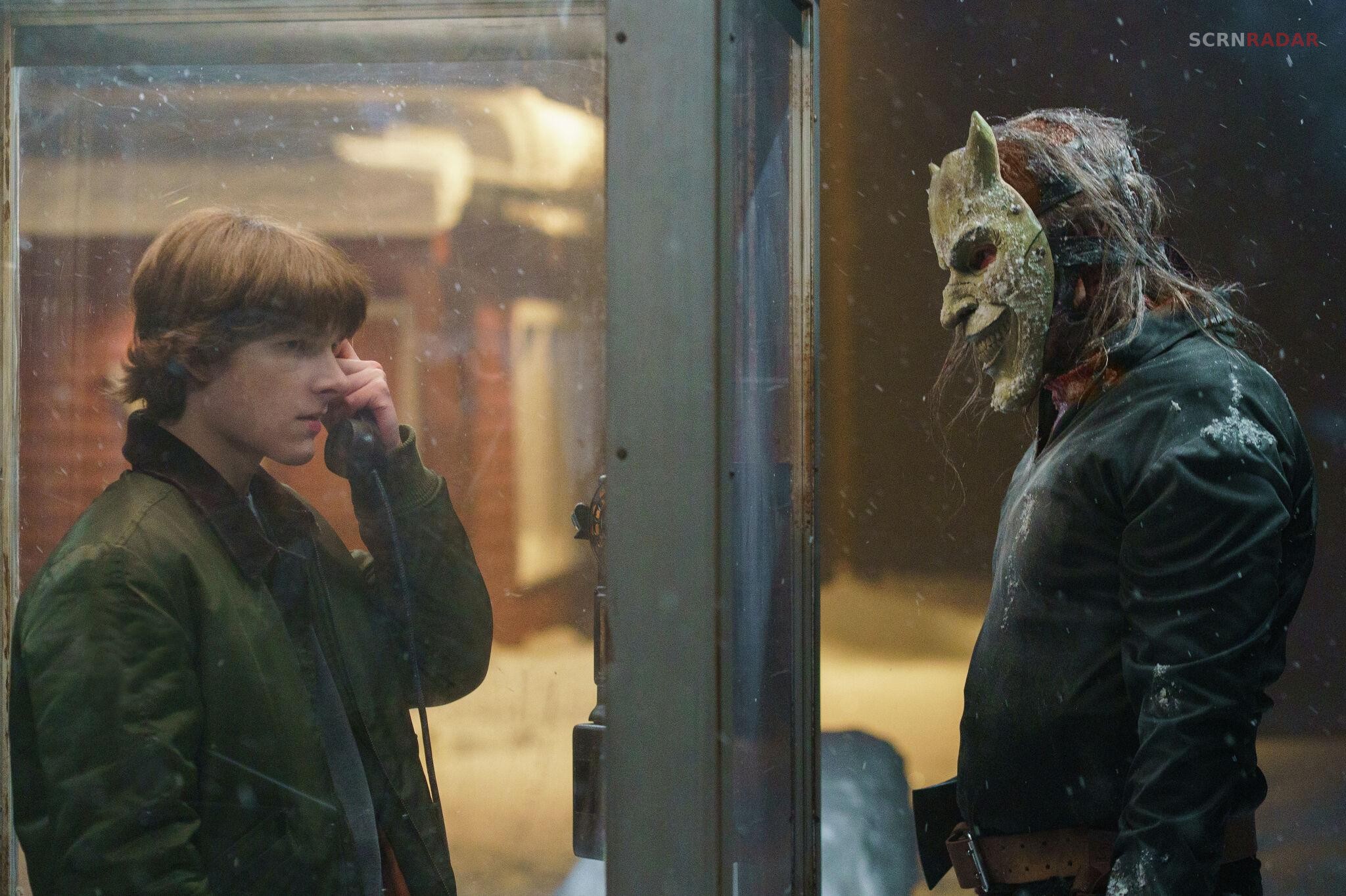
Ethan Hawke Leaves the Door Open for a Black Phone Trilogy
Hawke also addressed the possibility of another Black Phone installment after playing The Grabber in two films. Rather than committing to a third movie, he made it clear that the decision ultimately rests with director Scott Derrickson.
According to Hawke, Derrickson would only return if he discovered a story that genuinely excited him. “He’s not going to do it as a cash grab,” Hawke said, adding that Derrickson would need “a way to express himself.”
That leaves the possibility of a Black Phone trilogy open without confirming that another sequel is currently in development. The franchise has already established The Grabber as one of Hawke’s most recognizable recent roles.