Endings, Beginnings is a character-driven romantic drama directed by Drake Doremus, known for his improvisational storytelling style. Starring Shailene Woodley, Jamie Dornan, and Sebastian Stan, the film centers on a complicated love triangle that unfolds through emotional choices rather than traditional plot twists.
The story follows Daphne, a young woman steering heartbreak and self-discovery after ending a long-term relationship. As she begins to rebuild her life, she becomes romantically involved with two very different men, leading to a deeply personal and often messy exploration of love and identity.
Unlike conventional romantic dramas, Endings, Beginnings avoids clear answers. Its narrative focuses on emotional realism, highlighting how relationships can be unpredictable, imperfect, and shaped by timing as much as intention.
Plot Overview: A Story About Choices Rather Than Outcomes
At its core, Endings, Beginnings is less about who Daphne ends up with and more about the journey she takes to understand herself. After breaking up with her long-term boyfriend, she moves into her sister’s guesthouse, attempting to reset her life.
During this period of transition, she meets Jack and Frank, two men who represent contrasting emotional experiences. Jack is charismatic and spontaneous, while Frank is introspective and emotionally grounded. This contrast creates the foundation for the film’s central conflict.
Rather than building toward a dramatic climax, the film unfolds through conversations, interactions, and personal moments. The narrative structure reflects real-life relationships, where decisions are rarely clear-cut and often influenced by emotion rather than logic.
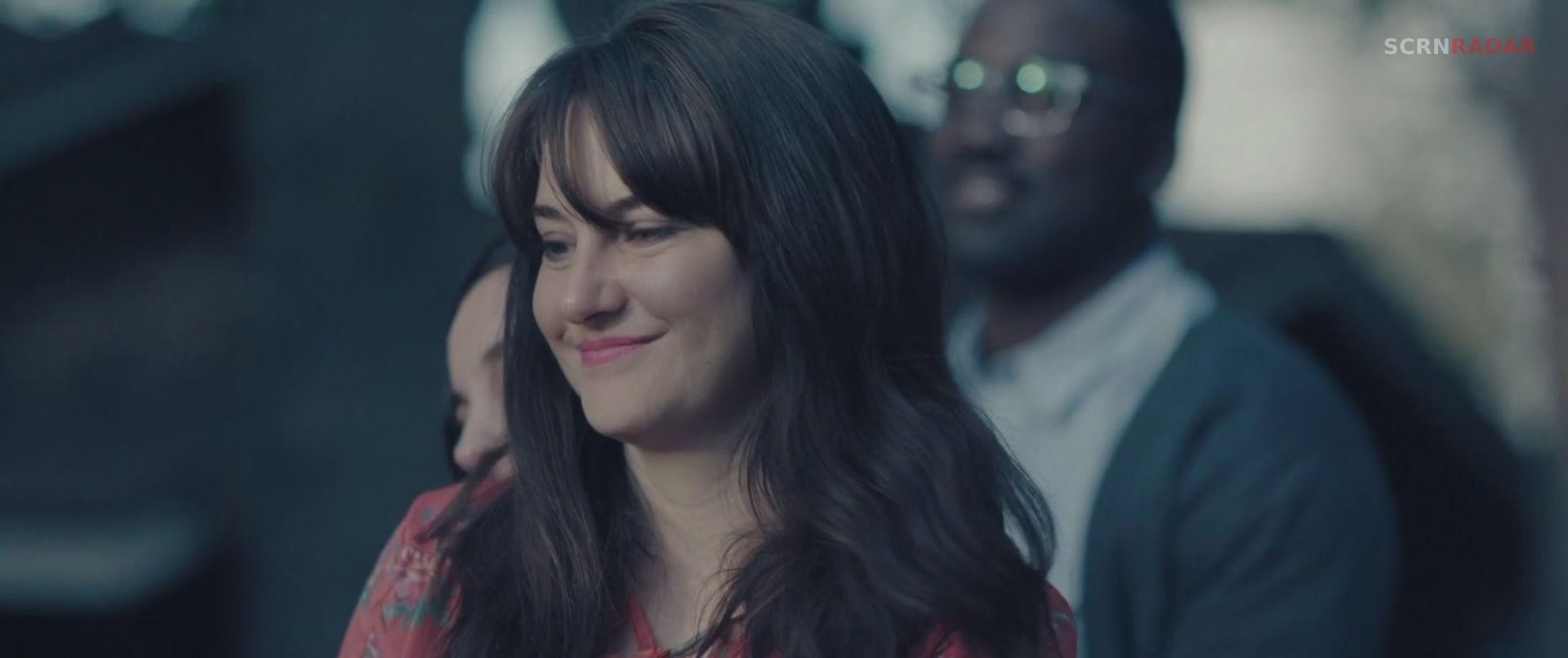
The film’s pacing may feel slow, but it allows for a deeper exploration of character psychology. Each interaction adds another layer to Daphne’s emotional state, making her choices feel authentic even when they are flawed.
Daphne as a Complex Protagonist
Daphne, played by Shailene Woodley, is the emotional center of the film. Her character is not designed to be perfect or universally likable. Instead, she represents the uncertainty and vulnerability that often accompany major life transitions.
Woodley’s performance relies heavily on subtle expressions and natural dialogue. Much of the film’s dialogue was reportedly improvised, which gives her interactions a raw and realistic quality. This approach enhances the authenticity of her character.
Daphne’s decisions drive the narrative, and they are often contradictory. She seeks stability but is drawn to excitement, creating internal conflict that defines her journey. This duality makes her relatable, even when her actions are questionable.
The film does not judge her choices. Instead, it presents them as part of a larger process of self-discovery. This perspective is what makes the character compelling, as viewers are invited to interpret her actions rather than simply accept them.
Jack vs. Frank: Two Sides of Love
The love triangle in Endings, Beginnings is structured around contrast. Jack and Frank are not just romantic interests but representations of different emotional experiences.
Jack, played by Jamie Dornan, embodies spontaneity and passion. He is unpredictable, often acting on impulse rather than careful consideration. His presence introduces excitement into Daphne’s life but also creates instability.
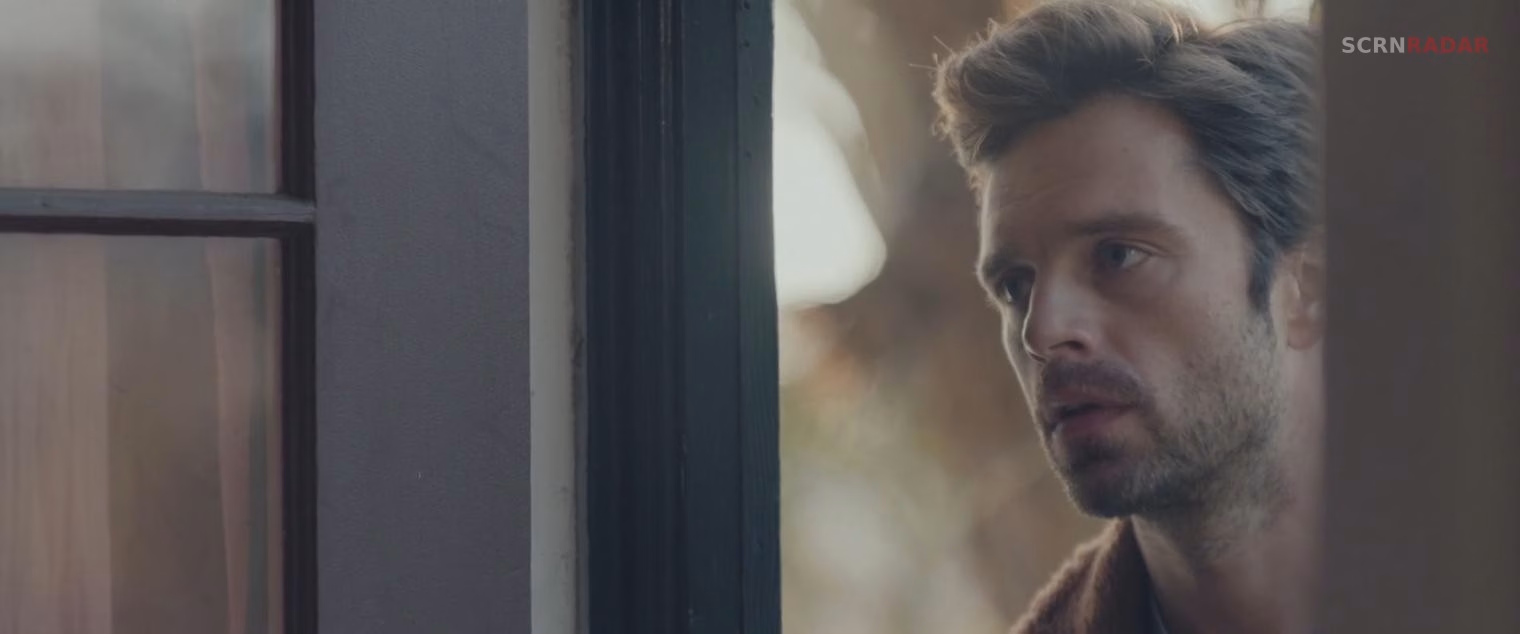
Frank, portrayed by Sebastian Stan, offers a more grounded alternative. He is thoughtful, introspective, and emotionally aware. His approach to relationships is slower and more deliberate, providing a sense of balance.
What makes this dynamic interesting is that neither character is presented as entirely right or wrong. Both have strengths and flaws, and Daphne’s attraction to each reflects different aspects of her personality.
The film avoids turning the love triangle into a competition. Instead, it focuses on how each relationship affects Daphne’s emotional growth.
Themes: Love, Timing, and Emotional Honesty
One of the central themes of Endings, Beginnings is the idea that love is influenced by timing as much as compatibility. Daphne’s relationships with Jack and Frank occur during a period of personal instability, which shapes her decisions.
The film also explores emotional honesty. Characters often struggle to express their true feelings, leading to misunderstandings and conflict. This reflects real-life relationships, where communication is often imperfect.
Another important theme is self-discovery. Daphne’s journey is not about finding the “right” partner but understanding herself. Her experiences with both men contribute to this process, even when they lead to mistakes.
The film suggests that growth often comes from uncomfortable situations. By facing the consequences of her choices, Daphne gains a clearer sense of what she wants and needs.
Direction and Improvisational Style
Director Drake Doremus is known for his improvisational approach, and Endings, Beginnings fully embraces this style. Scenes often feel unscripted, with dialogue that flows naturally rather than following a rigid structure.
This technique creates a sense of realism that is rare in romantic dramas. Conversations feel genuine, capturing the awkwardness and spontaneity of real interactions. However, this approach also contributes to the film’s slower pacing.
The cinematography complements this style. Close-up shots and natural lighting emphasize emotional intimacy, allowing viewers to focus on the characters’ expressions and reactions.

While this method may not appeal to everyone, it aligns with the film’s focus on authenticity. It prioritizes emotional truth over traditional storytelling conventions.
Strengths of the Film
One of the film’s strongest aspects is its performances. Shailene Woodley delivers a nuanced portrayal that carries the entire narrative. Jamie Dornan and Sebastian Stan provide strong support, creating a believable dynamic within the love triangle.
The film’s commitment to realism is another strength. By avoiding clichés and predictable outcomes, it offers a fresh perspective on romantic storytelling. This makes it stand out in a genre often dominated by formulaic narratives.
The emotional depth of the characters also adds value. Each character feels layered, with motivations that are not immediately obvious. This complexity encourages viewers to engage more deeply with the story.
Additionally, the film’s visual style enhances its tone. The intimate cinematography and naturalistic approach create an immersive experience that draws viewers into the characters’ world.
Weaknesses and Criticism
Despite its strengths, Endings, Beginnings has received criticism for its pacing. The slow, introspective style may not appeal to viewers looking for a more structured narrative.
The improvisational dialogue, while realistic, can sometimes feel unfocused. Certain scenes lack clear direction, which may lead to confusion or disengagement.
Another common critique is the lack of resolution. The film does not provide definitive answers, which can be frustrating for audiences expecting a clear conclusion.
Additionally, Daphne’s character may divide viewers. Her decisions are not always easy to understand, and some may find her actions inconsistent. However, this ambiguity is also part of the film’s design.