Elvis and Anabelle is a quiet yet emotionally powerful romantic drama that blends love, loss, and self-discovery into a deeply human story. Starring Max Minghella and Blake Lively, the film follows an unlikely connection between a withdrawn funeral home worker and a beauty queen whose life takes a tragic turn. While the premise may sound unconventional, the story gradually evolves into something heartfelt and meaningful.
The film’s ending, in particular, leaves many viewers searching for clarity. It is not a typical romantic resolution filled with grand gestures or dramatic declarations. Instead, it leans into subtlety, emotional closure, and personal transformation. This has led audiences to ask what the ending truly means and how the relationship between Elvis and Anabelle ultimately resolves.
Let’s break down the final moments of Elvis and Anabelle, what happens to the characters, and the deeper meaning behind the film’s conclusion.
What Happens at the End of Elvis and Anabelle?
By the time the film reaches its final act, both Elvis and Anabelle have undergone significant emotional journeys. Anabelle, who initially dies after collapsing during a beauty pageant, is unexpectedly revived due to Elvis’ actions while preparing her body at the funeral home.
After her miraculous revival, Anabelle struggles to return to her previous life. Her relationship with her mother remains strained, and she begins to question the expectations that had been placed on her for years. Meanwhile, Elvis, who has lived a quiet and isolated life, starts to open up emotionally through his connection with her.
In the ending, Anabelle chooses to leave behind her old life and the pressures associated with it. She walks away from the world of pageantry and control, seeking independence and authenticity. Elvis, inspired by her courage, also begins to move forward, stepping out of his comfort zone and embracing change.
Do Elvis and Anabelle End Up Together?

The film does not provide a traditional romantic ending where the couple definitely ends up together. Instead, it leaves their relationship open-ended, focusing more on personal growth than on a clear romantic resolution.
In the final scenes, there is a sense of emotional connection and mutual understanding between Elvis and Anabelle. Their bond is genuine, but it is not defined by typical romantic clichés. The story suggests that their relationship has changed both of them in meaningful ways, regardless of what happens next.
This approach reflects the film’s tone. Rather than presenting love as a solution to all problems, it shows how relationships can act as catalysts for personal transformation. Whether they stay together or go their separate ways is left to interpretation.
Why Anabelle Leaves Her Old Life Behind
Anabelle’s decision to walk away from her previous life is one of the most important aspects of the ending. Throughout the film, she is shown to be trapped by expectations, particularly from her controlling mother and the beauty pageant world.
Her near-death experience acts as a turning point. It forces her to confront what she truly wants and what has been imposed on her. By the end, she realizes that continuing down the same path would mean sacrificing her identity.
Leaving her old life behind is not just an act of rebellion. It is a declaration of independence and self-worth. This moment represents her reclaiming control over her own life, which is one of the film’s central themes.
Elvis’ Emotional Transformation Explained
Elvis begins the film as a socially withdrawn and emotionally distant character. Working in a funeral home, he is more comfortable around the dead than the living, which reflects his difficulty in forming meaningful relationships.
His connection with Anabelle challenges this isolation. Through their interactions, he begins to open up and experience emotions he had previously suppressed. This gradual transformation is subtle but significant.
By the end of the film, Elvis is no longer the same person. He has gained confidence, emotional awareness, and a willingness to engage with the world. His growth mirrors Anabelle’s journey, reinforcing the idea that their relationship has been mutually transformative.

The Meaning Behind the Film’s Ending
The ending of Elvis and Anabelle is less about closure and more about possibility. It emphasizes the idea that life does not always follow a clear or predictable path.
Both characters are at the beginning of new chapters in their lives. Anabelle is discovering who she is outside of societal expectations, while Elvis is learning to connect with others and embrace change. Their futures are uncertain, but they are no longer defined by their past limitations.
This open-ended conclusion aligns with the film’s themes of self-discovery and personal growth. It suggests that the most important outcome is not whether the characters end up together, but how they have changed as individuals.
Is the Ending Happy or Sad?
The ending can be interpreted as both hopeful and bittersweet. On one hand, there is no definitive romantic resolution, which may leave some viewers feeling unsatisfied. On the other hand, both characters achieve a sense of personal freedom and growth.
Anabelle’s decision to take control of her life is empowering, while Elvis’ transformation represents emotional healing. These outcomes provide a sense of optimism, even if the future remains uncertain.
Rather than fitting into a traditional happy or sad category, the ending exists somewhere in between. It reflects the complexity of real life, where change often comes with both relief and uncertainty.
What the Final Scene Really Means
The final scene of the film reinforces its central message. It highlights the idea that meaningful connections can have lasting impacts, even if they do not follow conventional paths.
Elvis and Anabelle’s relationship serves as a turning point for both characters. It is not necessarily meant to be a lifelong romance, but rather a moment that changes the direction of their lives.
This interpretation adds depth to the story. It shows that love can exist in many forms and that its value lies in how it shapes us rather than how it ends.
Themes Reflected in the Ending
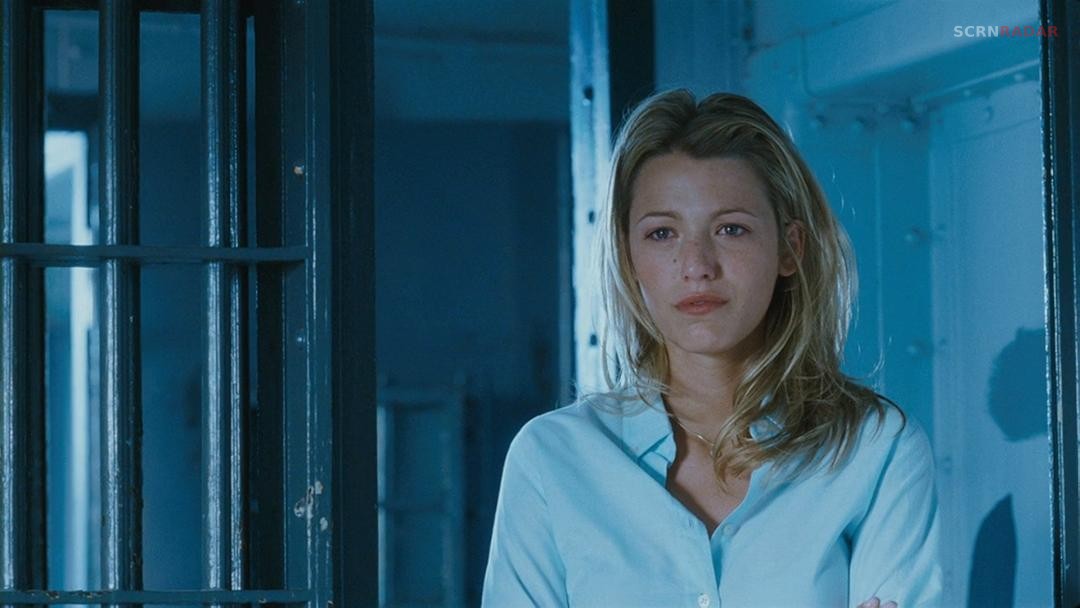
Several key themes come together in the film’s conclusion. One of the most prominent is identity. Both characters struggle with understanding who they are and what they want from life.
Another important theme is freedom. Anabelle’s journey represents breaking free from external expectations, while Elvis’ arc focuses on overcoming internal barriers.
The film also explores the idea of second chances. Anabelle’s revival is both literal and symbolic, giving her the opportunity to redefine her life. Elvis, in turn, receives a second chance at emotional connection and personal growth.
Why the Ending Feels Different From Typical Romance Movies
Many romantic films focus on bringing the couple together in a definitive way. Elvis and Anabelle takes a different approach by prioritizing character development over romantic resolution.
This choice may feel unusual, but it aligns with the film’s realistic tone. Relationships in real life do not always have clear beginnings and endings, and the film reflects that ambiguity.
By avoiding a conventional ending, the story leaves a lasting impression. It encourages viewers to think about the characters’ journeys rather than focusing solely on the outcome of their relationship.
The ending of Elvis and Anabelle is a thoughtful and emotionally resonant conclusion that prioritizes growth over closure. While it does not provide a clear answer about the future of its central relationship, it offers something more meaningful.
Through their connection, both Elvis and Anabelle find the strength to change their lives. Anabelle gains independence and self-awareness, while Elvis learns to open himself up to the world. Their journeys are intertwined, but ultimately personal.
For viewers seeking a traditional romantic ending, the film may feel unconventional. However, its focus on transformation and possibility makes it a powerful and memorable story. In the end, Elvis and Anabelle is not just about love, but about the courage to change and the impact that meaningful connections can have on our lives.

Another important layer to consider in the ending of Elvis and Anabelle is how it challenges the idea of fate versus choice. At first, Anabelle’s revival feels almost like destiny, as if she was meant to cross paths with Elvis for a reason. However, the final moments suggest that what truly matters is not fate itself, but the choices the characters make afterward.
Anabelle actively chooses to leave behind a life that no longer serves her, while Elvis chooses to step into a more open and emotionally connected version of himself. This shift from passive existence to active decision-making reinforces the film’s deeper message about taking control of one’s life.
Additionally, the ending subtly highlights the theme of healing, both physical and emotional, without relying on dramatic resolutions. Anabelle’s survival is not portrayed as a magical fix for her struggles, but rather as the beginning of a long journey toward self-understanding. Similarly, Elvis does not suddenly become a completely different person, but he shows clear signs of growth and readiness to change.
This grounded approach makes the story feel more authentic, as it acknowledges that real transformation takes time. By ending on a note of quiet progress rather than complete resolution, the film leaves viewers with a sense of hope rooted in realism.