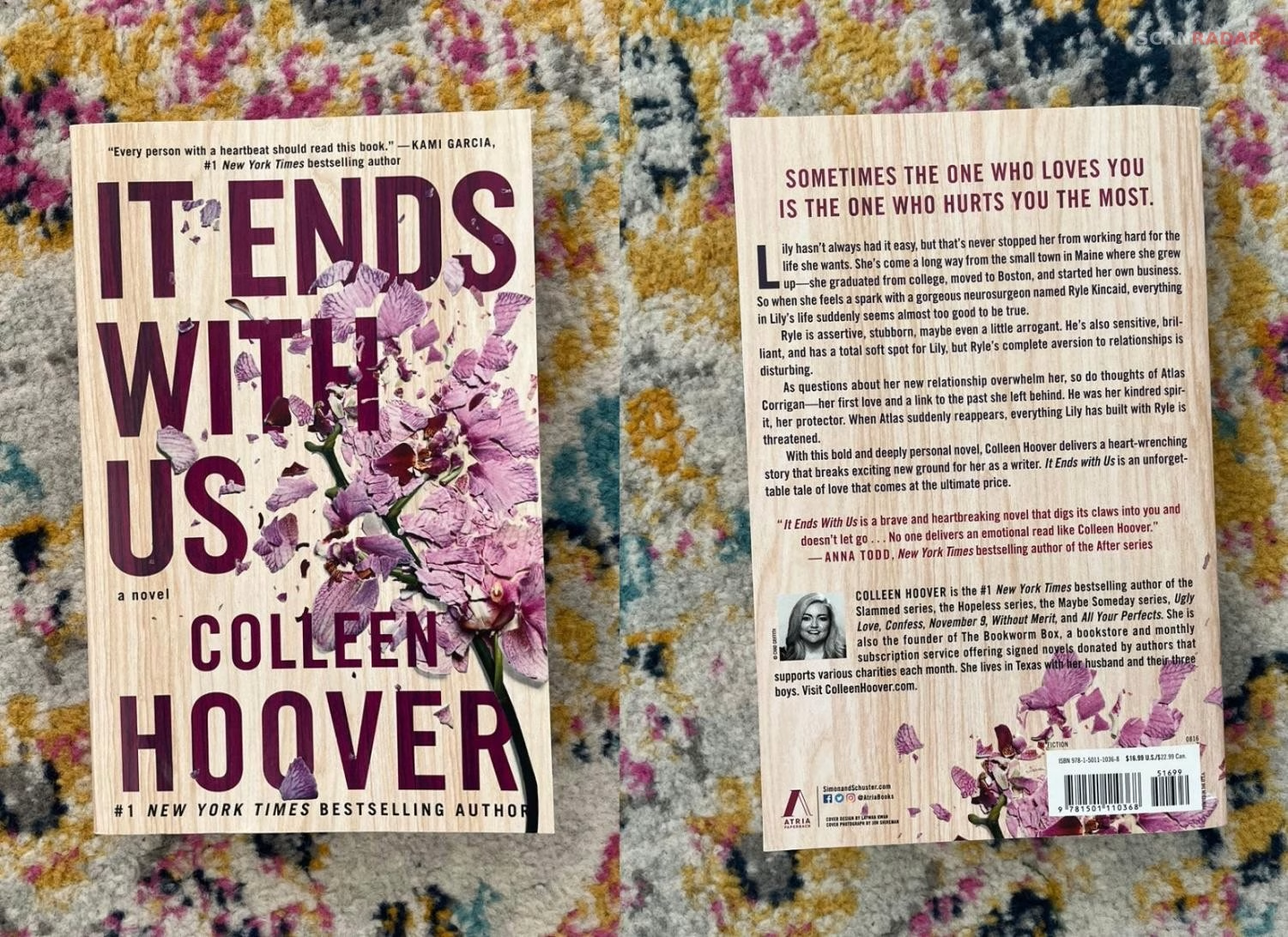
Colleen Hoover’s bestselling novel It Ends with Us has sparked countless discussions, especially around its emotional ending and Lily Bloom’s final romantic decision. One of the most frequently asked questions is whether Lily ends up with Atlas Corrigan, the boy who once gave her hope during her darkest moments. The story is not just a romance but a deeply layered narrative about love, trauma, and the courage to break toxic cycles.
As readers follow Lily Bloom through her complicated relationship with Ryle Kincaid and her reconnection with Atlas Corrigan, the ending delivers a powerful and realistic conclusion. Let’s break down whether Lily ends up with Atlas and what the final chapters truly reveal about her journey.
Does Lily End Up with Atlas?
Yes, Lily does end up with Atlas, but not immediately in the way many readers might expect. By the end of It Ends with Us, Lily chooses to leave Ryle after recognizing the cycle of abuse in their relationship. This decision is the emotional turning point of the story.
After separating from Ryle, Lily focuses on raising her daughter and building a healthier life. Only after creating that stability does she reconnect with Atlas. The novel concludes with Lily finally allowing herself to explore a relationship with him, suggesting a hopeful future together.
This ending is intentional. It emphasizes that Lily’s priority is her independence and emotional healing, not simply moving from one relationship to another.
Lily’s decision to leave Ryle is one of the most important moments in the book. Despite her love for him, she realizes that his abusive behavior mirrors the trauma she witnessed in her childhood.
Ryle is not portrayed as purely evil. Instead, he is a complex character struggling with his own past. However, the story makes it clear that love alone is not enough to justify staying in a harmful relationship.
Lily’s choice reflects the book’s central message. Breaking the cycle of abuse requires strength, even when emotions make the decision difficult. Her decision to walk away is what ultimately opens the door for a healthier future.
Atlas represents safety, consistency, and unconditional support throughout the story. From Lily’s teenage years to their reunion as adults, he remains a steady presence in her life.
Unlike Ryle, Atlas never pressures Lily or tries to control her. He respects her boundaries and waits patiently for her to make her own decisions. This contrast highlights why he is the healthier partner for Lily.
By the end of the novel, Atlas is not just a romantic interest but a symbol of the life Lily deserves. His presence reinforces the idea that love should feel safe, not painful.
What the Ending Really Means
The ending of It Ends with Us is less about romance and more about personal growth. While Lily and Atlas do end up together, the story’s true focus is on Lily choosing herself.
Her journey shows that healing comes before love. By prioritizing her well-being and her daughter’s future, Lily creates a foundation for a healthier relationship. This makes her eventual reunion with Atlas feel earned rather than rushed.
The novel also challenges traditional romance tropes. Instead of portraying love as something that fixes everything, it shows that self-respect and boundaries are just as important.
The sequel, It Starts with Us, provides more clarity on Lily and Atlas’s relationship. It explores their life after the events of the first book and confirms that they do build a future together.
This continuation gives readers the emotional closure that the original ending leaves open-ended. It also deepens Atlas’s character and shows how he and Lily navigate their relationship in a healthier way.
For readers who wanted a more definitive answer, the sequel solidifies that Lily and Atlas’s story does not just begin at the end of the first book, but continues to grow.