Camerimage founder Marek Żydowicz has drawn a clear distinction between using artificial intelligence as a filmmaking tool and allowing AI to replace the creative work of cinematographers. As the international cinematography festival celebrates its 34th edition in Toruń, Poland, Żydowicz says productions generated entirely by AI will not be eligible for its competition selections.
Speaking to The Hollywood Reporter, Żydowicz explained that the festival remains open to different filmmaking techniques, including advanced digital production and visual effects. However, its central purpose is to recognize the artistic contribution of cinematographers, rather than simply celebrate technological developments.
“We do not accept productions generated entirely by AI,”
he said. Żydowicz added that the festival is willing to examine films created with AI to understand how the technology is developing, while expressing support for hybrid productions in which performers have control over how AI affects their images.
His position reflects a wider debate across the film industry. Generative AI is increasingly being explored for visual effects, image creation and production workflows, but concerns remain about performers’ rights, creative ownership and the future of film-industry jobs.
Why Camerimage Is Drawing a Line Between AI Tools and AI-Made Films
Żydowicz’s position is not a rejection of every form of AI-assisted filmmaking. He said the festival accepts a wide range of technical approaches, including visual effects and digital post-production, provided that the creative rights of the people involved are respected.
He particularly supports hybrid productions that combine live-action performances with AI-generated elements. However, he believes actors should have a say in how the technology changes their appearance and voices. He also wants the industry to establish legal protections, potentially through European Union regulations, to ensure AI can be used safely in film production.
The festival founder expects AI to become a regular part of filmmaking.
“Everyone will use it. The only question is how,”
he said during the interview. His comments suggest that Camerimage intends to engage with the technology rather than ignore it, while maintaining its emphasis on human artistic contributions.
Darren Aronofsky’s AI Experimentation Won’t Affect His Festival Honor
The AI discussion also comes as Camerimage prepares to recognize filmmaker Darren Aronofsky with its Director Award. Aronofsky has publicly explored AI in filmmaking, making his recognition an interesting choice amid the festival’s debate about the technology.
Żydowicz clarified that the award celebrates more than three decades of Aronofsky’s filmmaking rather than endorsing his approach to AI. He highlighted films such as Requiem for a Dream, Black Swan, The Fountain and The Whale, praising their willingness to explore uncomfortable aspects of human nature.
The founder also described Aronofsky’s interest in new filmmaking tools as part of his continuing artistic curiosity. He believes the director’s experiments should be discussed openly, including the disagreements they generate.
Other major figures are being recognized at the 34th edition. Editor Joe Walker, known for collaborations with Denis Villeneuve on Arrival, Blade Runner 2049 and the Dune films, will receive the festival’s Editor Award and chair its Main Competition jury. Cinematographer Janusz Kamiński, known for Schindler’s List and Saving Private Ryan, will receive The Hollywood Reporter’s Visionary Award.
Żydowicz Wants Cinematographers Recognized as Creative Artists
Beyond AI, Żydowicz used the interview to highlight a longstanding problem in the film industry: cinematographers often receive less recognition than directors and actors despite shaping how audiences experience a story.
He argued that cinematography is not simply about operating cameras or managing technical equipment. Cinematographers influence a film’s atmosphere, visual language and emotional impact through decisions about composition, lighting and imagery.
“They are an artist, not a technician operating a camera,”
he said.
Żydowicz also pointed to financial pressure and uncertainty surrounding AI as major challenges for below-the-line professionals. He believes that a cinematographer’s creative decisions come from years of personal experiences, observations and emotional understanding, qualities that cannot simply be replicated by generated images.
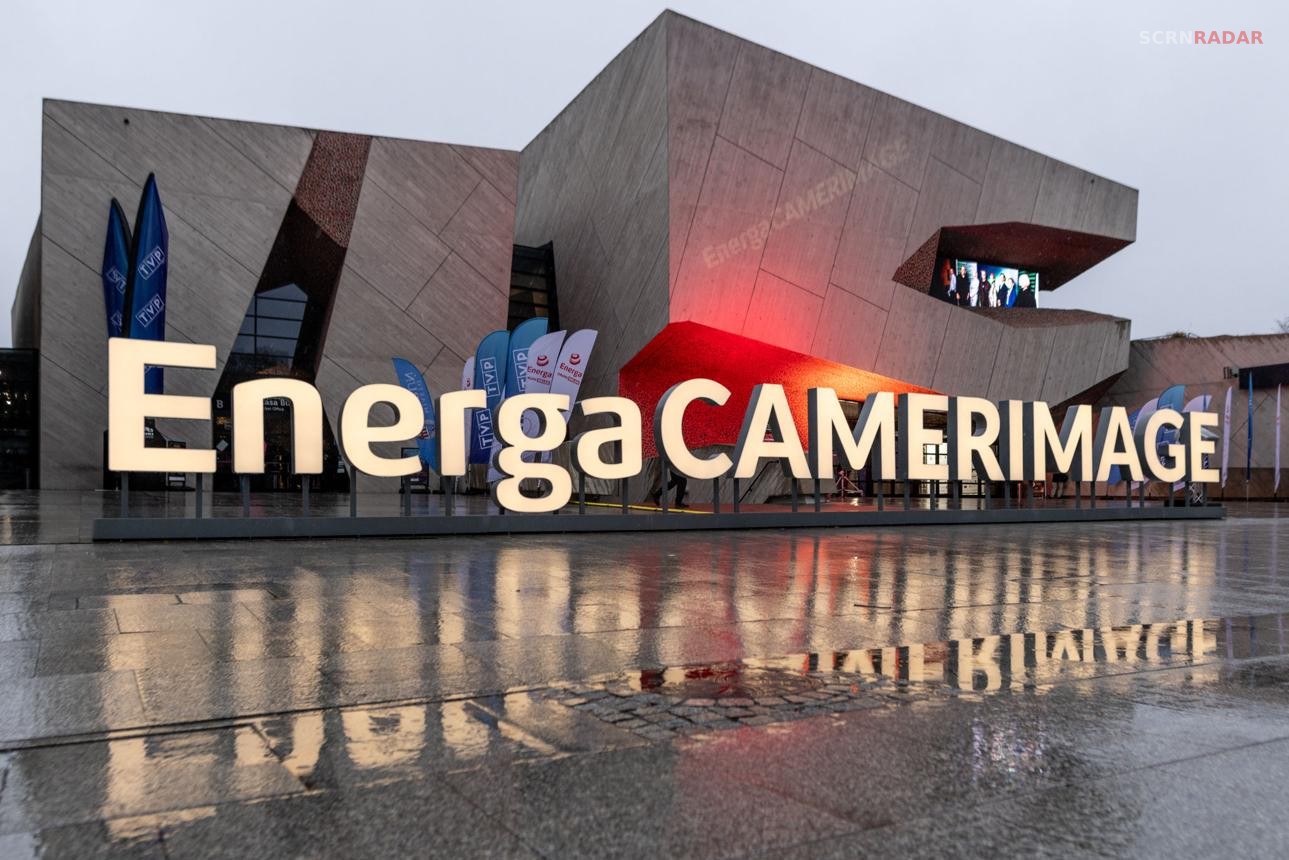
Camerimage was established in 1993 to give greater visibility to cinematographers and other visual artists. Its 2026 edition runs from November 7 to 14 in Toruń, Poland, with screenings, workshops, industry discussions and special events. The official festival schedule lists the event’s programming across several venues in the city.
For Żydowicz, the festival’s position on AI is connected to that original mission. New technology can expand what filmmakers create, but the people responsible for shaping a film’s images should remain at the center of the process.