When Bird Box premiered on Netflix, it quickly became a global phenomenon, sparking debates, theories, and endless discussions about its mysterious creatures and haunting premise. Directed by Susanne Bier and starring Sandra Bullock, the film blends psychological horror with emotional storytelling, creating a survival narrative that is as introspective as it is terrifying.
At its core, Bird Box is about a world where an unseen entity drives people to immediate suicide upon sight. Survivors must navigate this new reality blindfolded, relying on sound, trust, and instinct rather than sight. While the film delivers intense suspense, it intentionally avoids fully explaining its central threat, leaving much of its meaning open to interpretation.
Let’s break down the full story of Bird Box, including what the creatures might be, how the timeline unfolds, and what the ending really means for Malorie and her children.
What Is Bird Box About?
Bird Box follows Malorie, a pregnant woman trying to survive in a world that has suddenly descended into chaos. News reports initially describe a mysterious phenomenon spreading across Europe, where people begin committing suicide after seeing something unseen.
As the outbreak reaches the United States, society collapses rapidly. Malorie finds refuge in a house with a group of strangers, all trying to understand what is happening while avoiding exposure to the outside world.
The story alternates between two timelines. One follows the initial outbreak and Malorie’s struggle to survive with other survivors. The other takes place five years later, where Malorie must guide two children down a dangerous river while blindfolded, searching for a rumored safe haven.
This dual timeline structure keeps the narrative tense while gradually revealing how the world reached its current state.
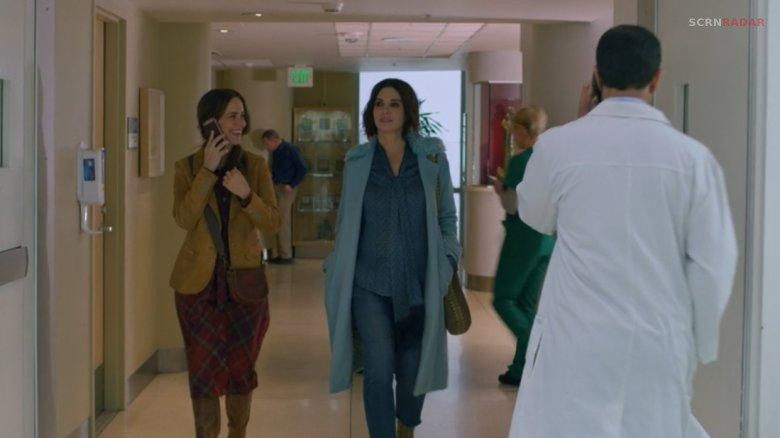
How the Creature Works
One of the most unsettling aspects of Bird Box is that the creatures are never shown directly. Anyone who sees them becomes overwhelmed and takes their own life almost instantly. The exact appearance of the entities is never revealed to the audience.
However, the film provides clues about their nature. Different characters describe seeing different things, often tied to their deepest fears, regrets, or desires. This suggests that the creatures may not have a fixed physical form.
Instead, they appear to manipulate perception, showing individuals something psychologically unbearable. This ability makes them more terrifying than traditional monsters because the threat is deeply personal.
The decision not to show the creatures was intentional. It allows viewers to imagine their own fears, making the horror more effective and universal.
Why Some People Don’t Kill Themselves
An important subplot involves individuals who do not react to the creatures in the same way. Instead of committing suicide, these people become obsessed with the entities and attempt to force others to look at them.
These individuals are often referred to as “the infected,” though they are not infected in a traditional sense. They appear to experience the creatures as something beautiful or enlightening rather than horrifying.
This contrast suggests that the entities affect people differently based on their mental state. Those already unstable may interpret the vision in a way that reinforces their existing mindset.
This dynamic adds another layer of complexity to the story. The threat is not just the creatures themselves but also the humans who have embraced them.
The House Timeline Explained
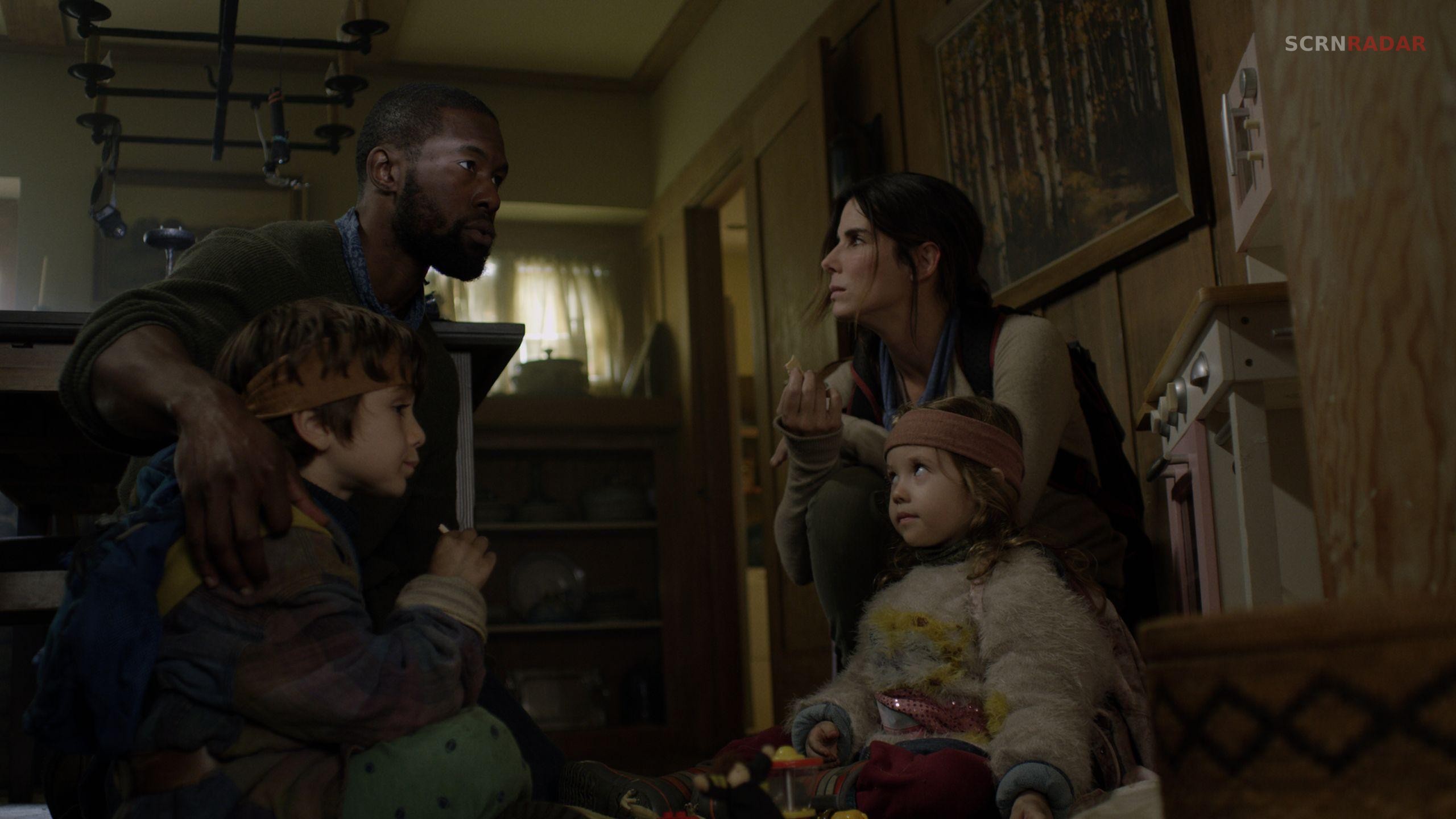
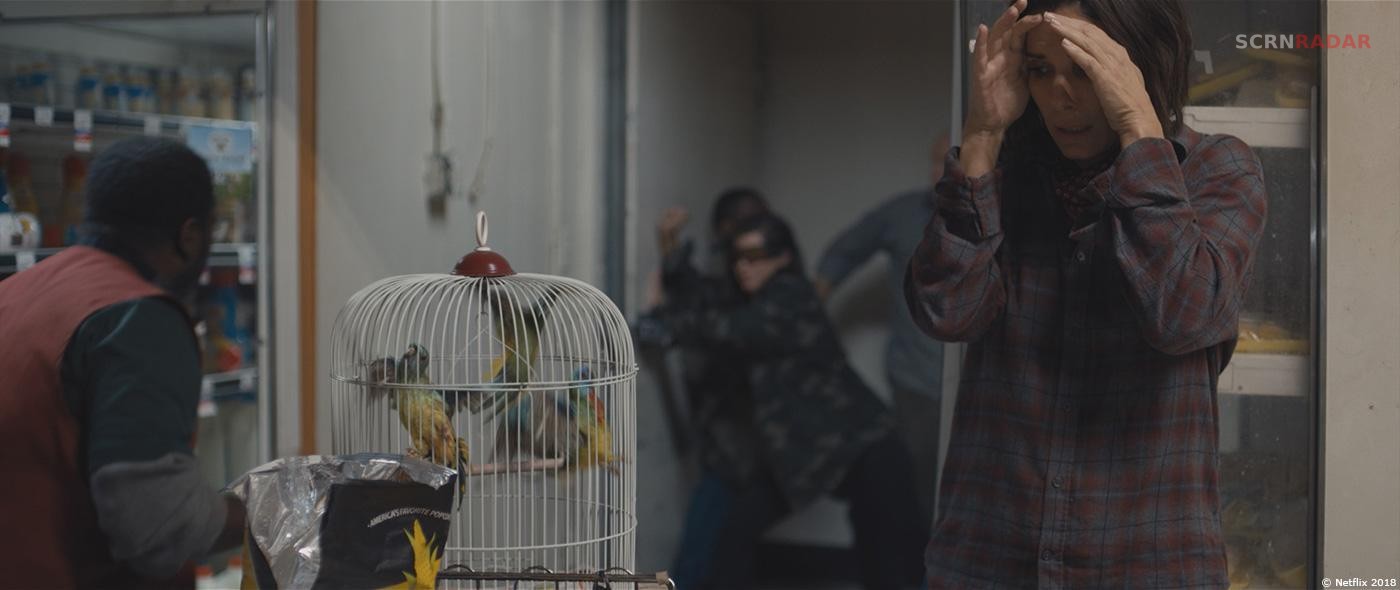
Much of the film’s emotional weight comes from the house timeline, where Malorie and a group of survivors attempt to build a temporary refuge. Characters like Tom, Douglas, and Olympia each bring different perspectives on survival.
Initially, the group relies on strict rules to stay safe. Windows are covered, doors are secured, and no one is allowed to go outside without a blindfold. These precautions create a fragile sense of order in an otherwise chaotic world.
However, tension builds as resources run low and external threats increase. The arrival of new survivors introduces uncertainty, leading to a series of tragic events that ultimately dismantle the group.
By the end of this timeline, only Malorie and Tom remain alive, along with two newborn babies. This loss reinforces the film’s central theme that survival often comes at a significant emotional cost.
Malorie’s Character Arc
Malorie’s journey is central to understanding Bird Box. At the beginning of the film, she is emotionally distant and uncertain about motherhood. Her pregnancy feels more like an obligation than a source of joy.
As the story progresses, her priorities shift. The need to protect the children forces her to confront her fears and develop a sense of responsibility. However, she maintains a strict emotional distance, referring to the children simply as “Boy” and “Girl.”
This detachment is a coping mechanism. In a world where loss is constant, forming emotional bonds can be dangerous. Malorie believes that staying detached will make it easier to survive.
By the end of the film, this mindset begins to change. Her journey becomes not just about survival but about rediscovering the importance of connection and trust.
The River Journey Explained
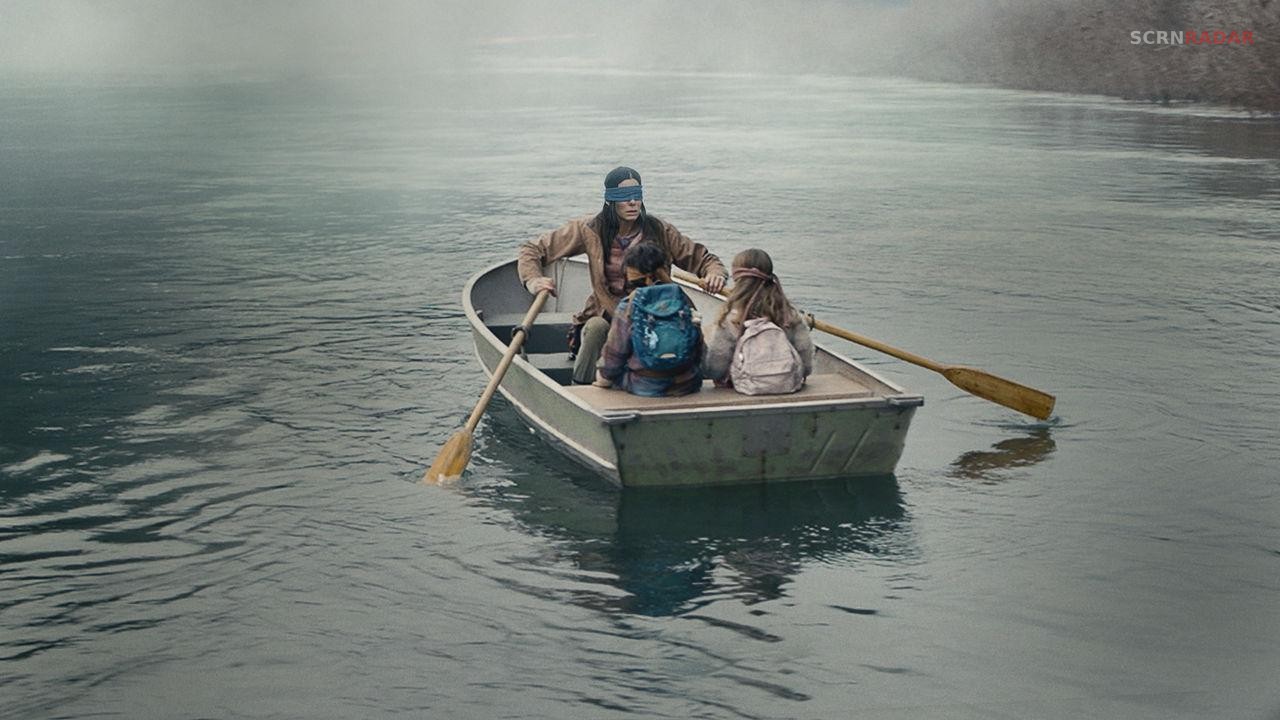
The river journey takes place five years after the initial outbreak and serves as the film’s primary narrative thread. Malorie must guide the two children to a safe haven using only a map and limited information.
Traveling blindfolded adds an intense level of danger. The group must rely on sound to navigate rapids, avoid obstacles, and detect threats. Every moment feels uncertain, emphasizing how fragile survival has become.
At one point, Malorie is forced to consider removing one child’s blindfold to navigate a particularly dangerous section of the river. This moment highlights the harsh choices she must make as a guardian.
Ultimately, all three survive the journey, but the experience pushes Malorie to confront her emotional barriers. It becomes clear that survival alone is not enough.
What Happens at the Sanctuary
The safe haven Malorie seeks turns out to be a former school for the blind. This location is significant because it offers a natural defense against the creatures. Residents who are visually impaired are immune to the threat because they cannot see the entities.
The sanctuary represents hope in an otherwise bleak world. It provides a sense of community, safety, and stability that has been absent for most of the film.
When Malorie arrives, she learns that Tom had discovered the location before his death. This revelation adds emotional weight, as it shows that his efforts ultimately helped save her and the children.
The sanctuary also symbolizes a new beginning. It is a place where survival is no longer the only goal.
The Meaning of the Ending
The ending of Bird Box focuses on transformation rather than resolution. Malorie finally names the children, calling them Tom and Olympia in honor of those who helped them survive.
This act represents a shift in her character. By giving the children names, she acknowledges her emotional connection to them. It is a small but significant step toward healing.
The film does not resolve the global threat posed by the creatures. Instead, it emphasizes personal growth and the possibility of rebuilding in the face of uncertainty.
The sanctuary suggests that humanity can adapt to even the most extreme circumstances. However, the outside world remains dangerous, leaving the larger conflict unresolved.
What Do the Creatures Represent?
The creatures in Bird Box can be interpreted in several ways. One common interpretation is that they represent mental illness, particularly depression and suicidal thoughts. The way they drive people to harm themselves mirrors the internal struggles many individuals face.
Another interpretation is that they symbolize fear itself. By forcing people to confront their deepest fears, the creatures become a manifestation of psychological vulnerability.
The film also explores the idea of perception. What people see determines their fate, suggesting that perspective plays a crucial role in how individuals respond to challenges.
By leaving the creatures undefined, the film allows viewers to apply their own interpretations. This ambiguity is one of its greatest strengths.
Why the Film Avoids Showing the Creatures
Originally, the filmmakers considered showing the creatures on screen. However, the idea was ultimately abandoned because it reduced the psychological impact of the story.
By keeping the entities unseen, the film maintains a sense of mystery and tension. Viewers are forced to imagine what the characters might be seeing, making the experience more immersive.
This decision also reinforces the theme that the true horror lies within the human mind. The creatures are terrifying not because of their physical form but because of what they represent.
The absence of a clear visual also ensures that the story remains focused on the characters rather than the threat itself.
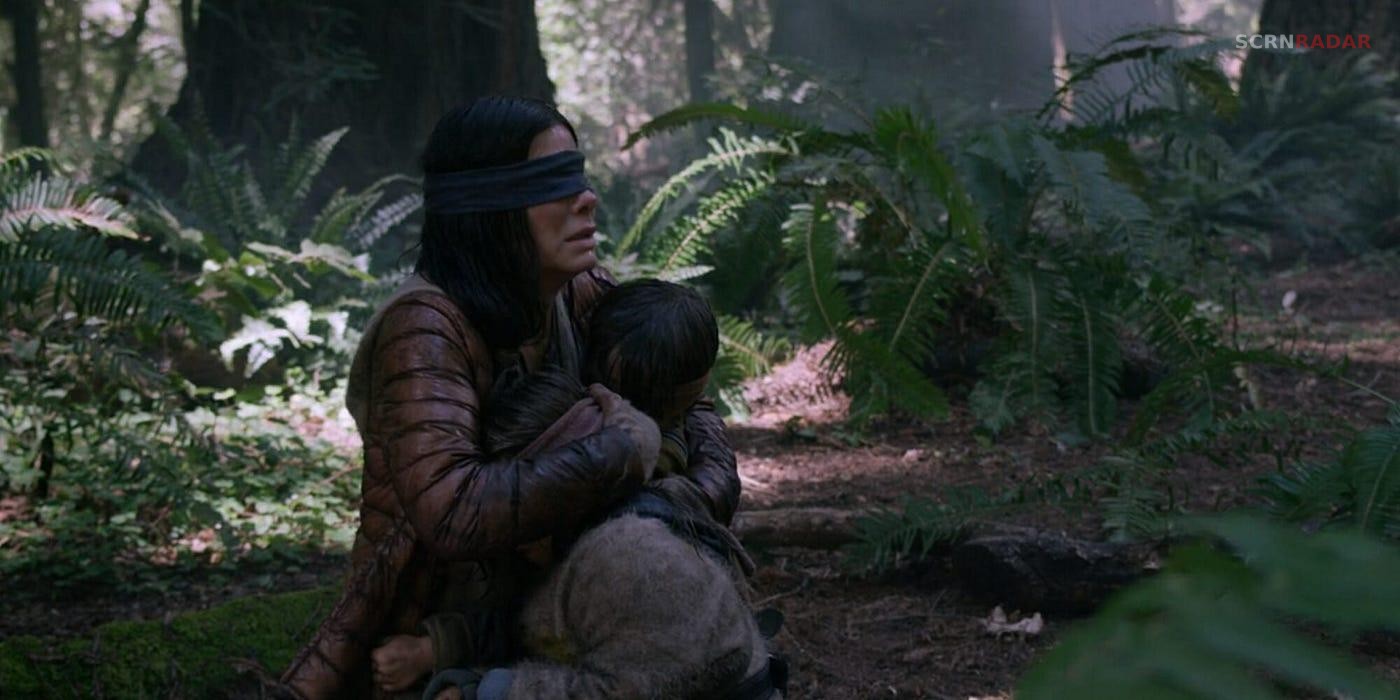
The film clearly establishes that the creatures cause people to commit suicide upon sight and that blindfolds are an effective means of protection. It also confirms that some individuals react differently, becoming agents of the entities.
However, the exact nature of the creatures is never explained. Whether they are supernatural beings, psychological phenomena, or something else entirely is left open to interpretation.
The ending confirms that safe zones exist but does not suggest that the threat is diminishing. The world remains fundamentally changed, with survival requiring constant vigilance.
This balance between confirmed facts and open questions is what keeps Bird Box relevant and widely discussed.
Bird Box stands out as more than just a survival thriller. It is a story about fear, resilience, and the human capacity to adapt under extreme circumstances. By combining a mysterious threat with deeply personal character arcs, the film creates a narrative that resonates on multiple levels.
Malorie’s journey from emotional detachment to connection mirrors the broader theme of finding hope in a broken world. The creatures, while never fully explained, serve as a powerful metaphor for internal and external struggles.
The ending does not provide all the answers, but that is precisely the point. Bird Box invites viewers to confront their own interpretations, making it one of the most thought-provoking horror films of recent years.