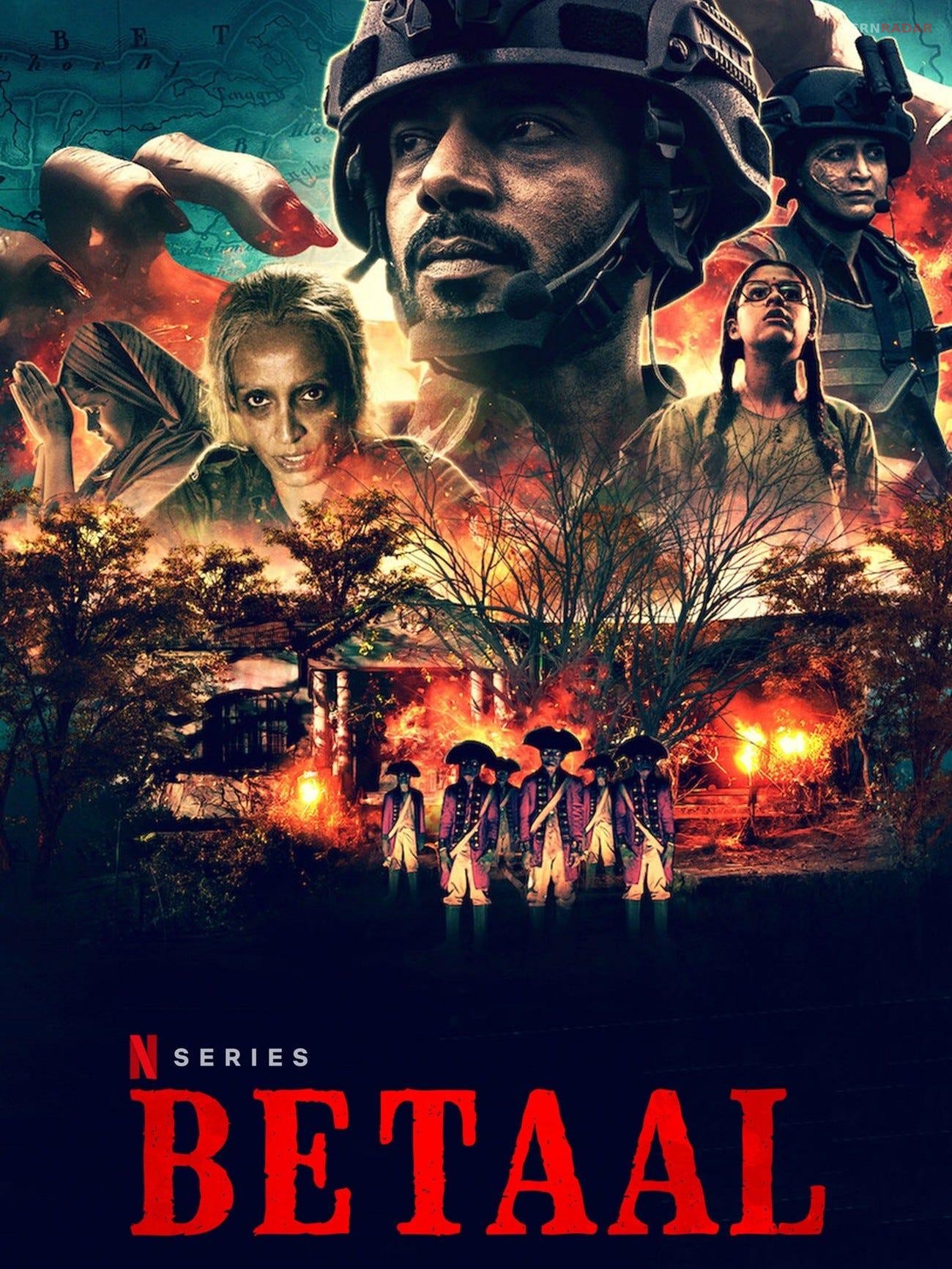
Betaal is one of Netflix’s most unique Indian horror series, blending zombie horror with colonial history and supernatural folklore. Produced by Red Chillies Entertainment, the series stands out for its eerie atmosphere and layered storytelling, drawing inspiration from Indian mythology while incorporating Western-style undead horror.
Set in a remote village, the story follows a group of soldiers tasked with clearing a haunted tunnel for a development project. What begins as a routine military operation quickly spirals into a nightmare when they accidentally unleash an ancient curse tied to a British colonial battalion. The show mixes political commentary, historical trauma, and psychological horror into a tightly packed narrative.
For viewers confused by its ending or intrigued by its deeper themes, this detailed breakdown explains Betaal’s story, mythology, and final moments, while uncovering the real meaning behind its terrifying curse.
What Is Betaal About?
At its core, Betaal revolves around a cursed battalion of British soldiers who have been resurrected as undead creatures. These soldiers are bound by a supernatural force known as the Betaal, a spirit rooted in Indian folklore.
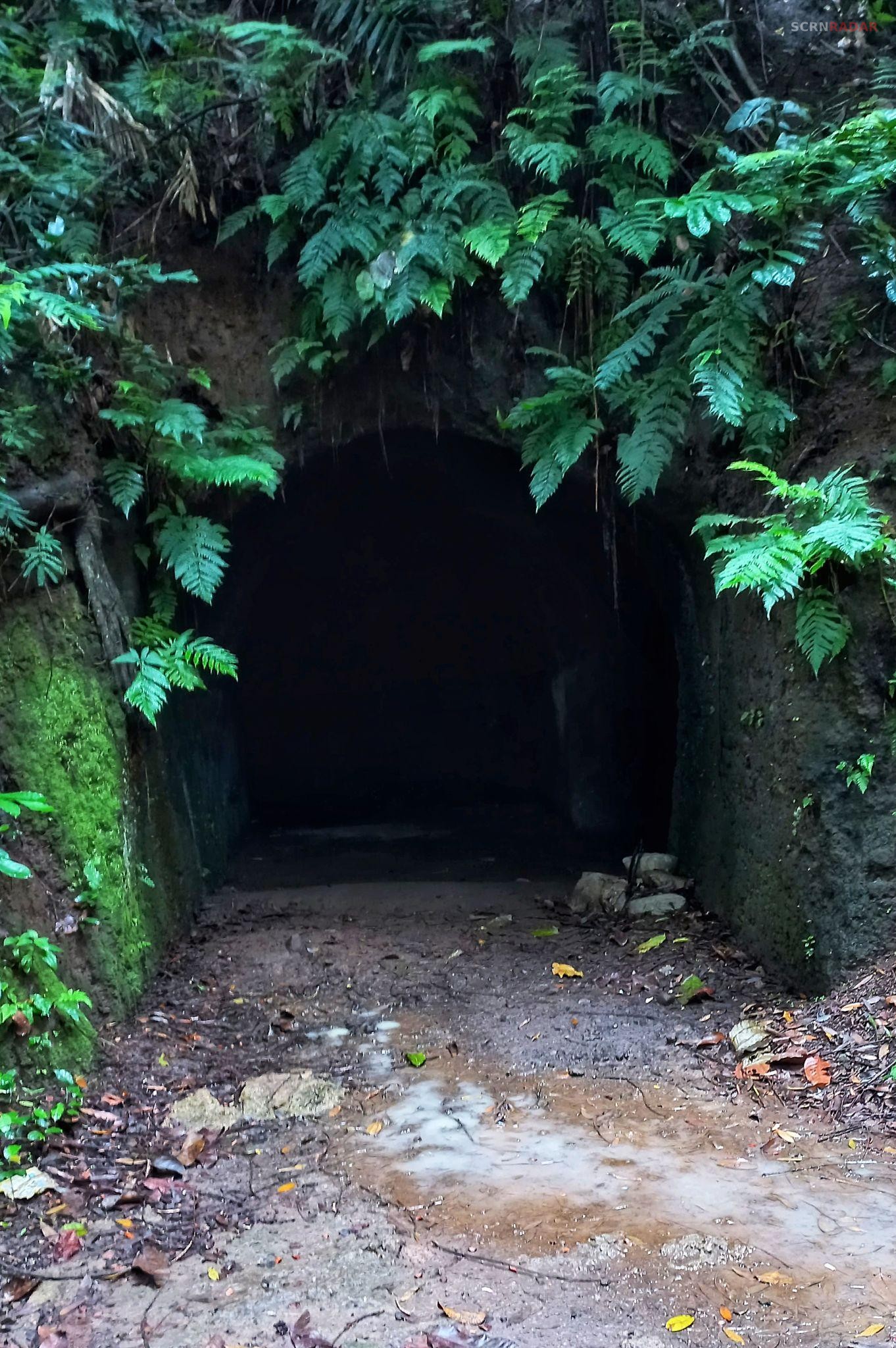
The story begins when a construction company decides to open a sealed tunnel in a tribal region. The villagers strongly oppose the project, warning that the tunnel is cursed. Despite their protests, the authorities proceed, sending in a special police unit to secure the area.
Once the tunnel is opened, the soldiers unknowingly release the undead battalion. What follows is a relentless fight for survival as the living confront an enemy that cannot be killed by conventional means.
The curse in Betaal dates back to the colonial era, when a British officer named Colonel Lynedoch made a desperate deal to save his dying battalion. Facing defeat and starvation, he turned to dark forces to ensure survival.
This decision led to the resurrection of his soldiers as undead entities, bound to his command even in death. The curse trapped them in a cycle of violence, unable to move on or find peace.
The tunnel where they were sealed became a prison for both the soldiers and the evil force controlling them. For decades, it remained untouched, until modern development efforts disturbed its fragile balance.
The Betaal is a supernatural entity inspired by Indian mythology, particularly the concept of a spirit that inhabits corpses. In the series, it serves as the driving force behind the undead battalion.
Unlike typical zombies, the soldiers in Betaal retain a level of intelligence and coordination. This is because they are controlled by the Betaal, which acts as both a hive mind and a commanding presence.
The Betaal represents more than just a monster. It symbolizes the lingering effects of colonial exploitation and violence, suggesting that the past cannot be easily buried or forgotten.
The Role of the Police Unit
The central human characters in Betaal are members of a police unit tasked with securing the construction site. Led by Vikram Sirohi, the team initially approaches the mission with confidence.
However, as the situation escalates, their training proves insufficient against a supernatural threat. The soldiers must confront not only the undead but also their own fears and moral dilemmas.
Internal conflicts within the group further complicate their survival. Power struggles, distrust, and differing priorities weaken their ability to respond effectively, making the situation even more dangerous.
Why the Villagers Tried to Stop the Tunnel
The villagers’ resistance to the tunnel project is a crucial part of the story. They are not simply opposing development but are trying to prevent the release of a known evil.
Their knowledge of the curse has been passed down through generations. They understand the consequences of disturbing the tunnel and attempt to warn outsiders.
This conflict highlights a recurring theme in the series: the clash between modern progress and traditional knowledge. The authorities dismiss the villagers’ warnings, leading to catastrophic results.
How the Undead Battalion Works
The undead soldiers in Betaal are not typical mindless zombies. They operate with military precision, following commands and executing coordinated attacks.
This makes them significantly more dangerous than traditional horror creatures. Their discipline and strategy reflect their origins as trained soldiers, even in death.
The connection between the soldiers and the Betaal ensures that they function as a unified force. Destroying individual soldiers does little to stop the larger threat, as the controlling entity remains active.
The Psychological Horror Element
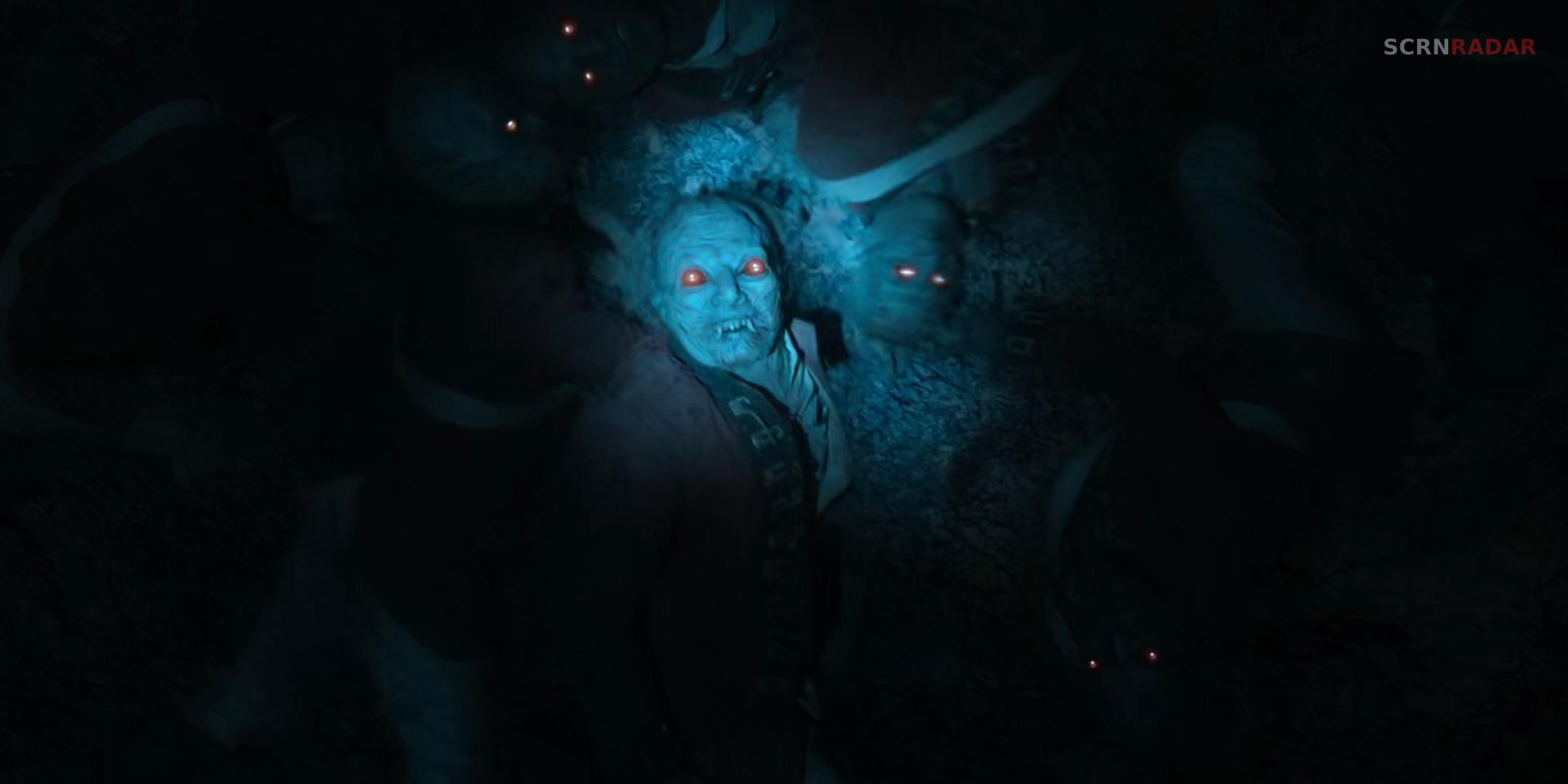
Beyond physical danger, Betaal emphasizes psychological horror. The characters are constantly under stress, facing hallucinations, paranoia, and emotional breakdowns.
The presence of the Betaal seems to amplify fear and confusion, making it difficult for the characters to trust their own perceptions. This creates an atmosphere of uncertainty that heightens the tension.
The series uses these elements to explore how people react under extreme pressure. Fear becomes just as deadly as the undead themselves.
The Ending Explained
The ending of Betaal reveals the full extent of the curse and its implications. Despite the efforts of the surviving characters, the Betaal is not completely destroyed.
In the final moments, it becomes clear that the curse has spread beyond the tunnel. The undead threat is no longer confined to one location, suggesting that the danger is far from over.
This conclusion reinforces the idea that some evils cannot be easily contained. The consequences of disturbing the past continue to ripple outward, affecting the present.
Does the Betaal Get Defeated?
Technically, the Betaal is not defeated in a traditional sense. While some of its physical manifestations are destroyed, the entity itself persists.
This is a key aspect of the story’s message. The Betaal represents a force that cannot be eliminated through simple means. It requires a deeper understanding of its origins and nature.
The lack of a clear victory adds to the series’ unsettling tone. It leaves viewers with a sense of unresolved tension and lingering fear.
At a deeper level, Betaal is about the consequences of history. The undead soldiers symbolize the lingering impact of colonialism and violence.
The series suggests that ignoring the past can lead to its repetition. By disturbing the tunnel, the characters literally unearth a buried history that refuses to stay hidden.
This theme is reinforced by the villagers’ warnings. Their knowledge represents a connection to the past that modern authorities fail to respect.