Anthology television offers something that conventional serialized dramas often cannot: the freedom to start over. Instead of following the same characters through one continuous storyline, the best anthology shows can introduce an entirely new cast, setting, conflict, or even genre with each episode or season. That structure makes these series particularly appealing to viewers who enjoy variety without committing to hundreds of episodes.
Some anthologies tell completely separate stories every week, while others reset their narrative with each season. The format has produced influential classics such as The Twilight Zone while becoming a major part of modern television through shows including Black Mirror, Fargo, True Detective, and American Horror Story.
Best Anthology Shows Worth Watching
The Twilight Zone remains one of the essential starting points for anthology television. Rod Serling’s classic series combines science fiction, fantasy, horror, and psychological storytelling, with each episode presenting a self-contained story. Its influence can still be seen throughout modern genre television.
Black Mirror brings the anthology format into the modern technological age. Charlie Brooker’s series explores artificial intelligence, social media, surveillance, digital identity, and other unsettling possibilities, with individual episodes functioning as separate stories. Its ability to turn familiar technology into psychological horror makes it one of the defining modern anthology series.
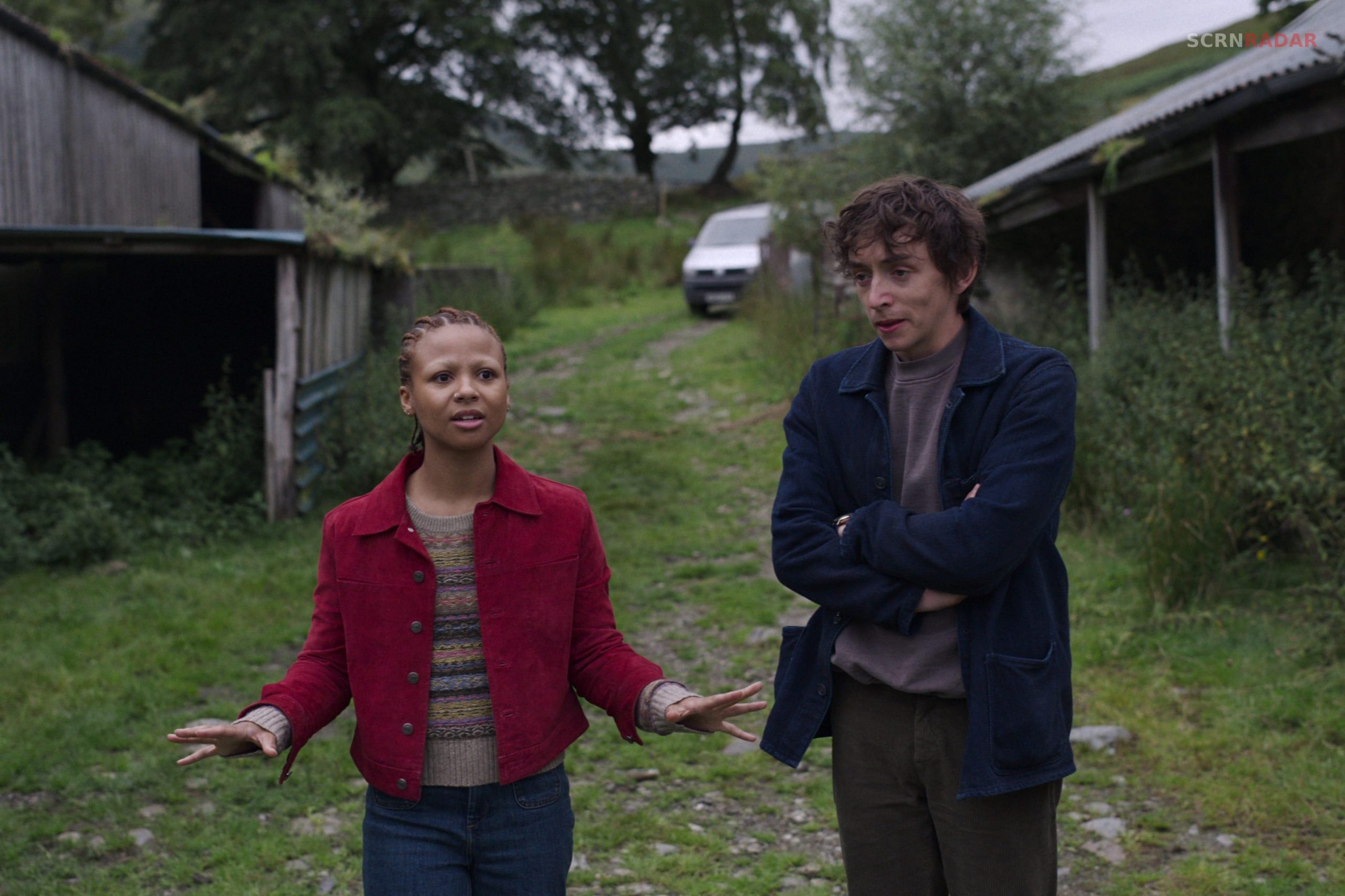
Fargo takes a different approach by using each season to tell a new crime story within a connected universe. New characters and time periods allow the series to constantly reinvent itself while retaining its darkly comic tone and Midwestern atmosphere. This seasonal structure makes Fargo particularly accessible because viewers can approach individual seasons almost like separate crime dramas.
True Detective similarly resets its principal characters and storyline between seasons. Its crime investigations focus heavily on damaged detectives, complicated mysteries, and the psychological consequences of violence. The first season, in particular, has become one of the most acclaimed examples of modern anthology television.
American Horror Story uses the format for a more ambitious purpose, reinventing its central horror story and characters with each season. Meanwhile, The White Lotus offers a different kind of anthology experience, using new vacation destinations and characters to examine wealth, privilege, relationships, and social tensions. Together, these series demonstrate why anthology television remains such a flexible storytelling format.