Few sci-fi series have sparked as much debate as Battlestar Galactica, especially when it comes to its deeply philosophical and symbolic ending. The show’s finale, which aired in 2009, didn’t just conclude a space survival story. Instead, it delivered a layered exploration of identity, destiny, and the blurred line between humanity and artificial life.
One of the biggest mysteries that continues to intrigue fans is the concept of the “Inner Six” or “Head Six.” These versions of Number Six appear to specific characters, most notably Gaius Baltar, acting as guides, manipulators, or something far more complex. Alongside the reveal of the Final Five Cylons and the journey to Earth, these elements redefine everything viewers thought they understood about the story.
Let’s break down the ending of Battlestar Galactica, focusing on who the Inner Six really were, how they connect to the larger mythology, and what the finale ultimately means.
What Happens in the Battlestar Galactica Ending?
The finale of Battlestar Galactica brings the long journey of humanity and the Cylons to a dramatic and emotional conclusion. After years of searching, the fleet finally reaches a habitable planet, which they name Earth. However, this Earth is not the one they originally sought but a new beginning for both humans and Cylons.
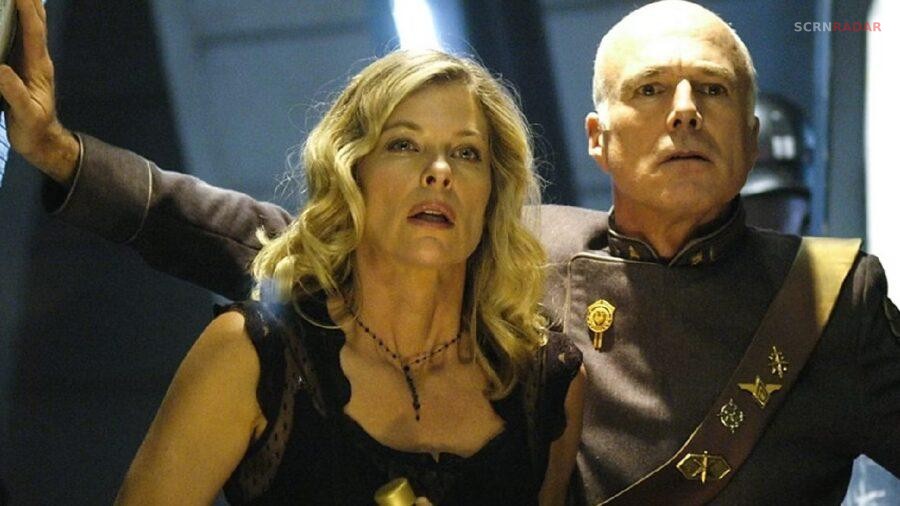
Led by William Adama and Laura Roslin, the survivors decide to abandon their advanced technology and integrate with the planet’s primitive human population. This choice represents a break from the cycle of violence between humans and Cylons.
At the same time, the Cylons, including the Final Five, agree to coexist peacefully. The series ends with humanity and Cylons merging their futures, suggesting that both species are destined to evolve together.
Who Are the “Inner Six” or Head Characters?
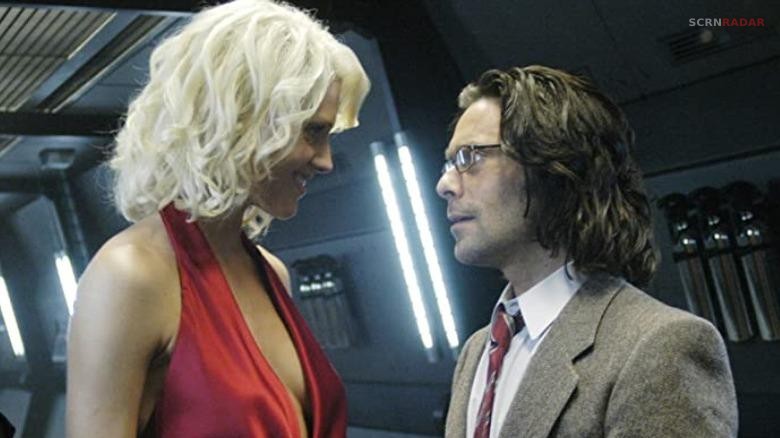
The “Inner Six,” often referred to as Head Six, is not a physical version of Number Six but a projection seen only by Gaius Baltar. Similarly, Baltar appears as a “Head Baltar” to Caprica Six. These figures exist outside normal reality, interacting only with specific individuals.
Throughout the series, Head Six guides Baltar, sometimes protecting him and other times manipulating his decisions. She appears to have knowledge of future events and often speaks about a higher purpose or divine plan.
These head characters are not Cylons in the traditional sense. They cannot be detected, harmed, or interacted with by others. Their presence suggests a deeper metaphysical layer within the show’s universe.
Are the Inner Six Angels or Something Else?
One of the most widely accepted interpretations is that Head Six and Head Baltar are angelic or divine beings. The finale strongly supports this idea when both characters appear in modern-day Earth, discussing humanity’s future and referencing a higher power.
In the final scenes, Head Six explicitly mentions “God,” although she quickly clarifies that she doesn’t like that name. This suggests that these entities are connected to a guiding force that influences events throughout the series.
Rather than being literal angels in a religious sense, they can be seen as manifestations of a higher intelligence or consciousness. Their role is to guide key individuals toward outcomes that shape the fate of both humans and Cylons.
The Connection Between Head Six and the Final Five
The reveal of the Final Five Cylons adds another layer of complexity to the story. These five individuals, including Saul Tigh and Galen Tyrol, were originally humanoid Cylons from a previous civilization.
Their existence ties into the show’s recurring theme that “all of this has happened before, and will happen again.” The Final Five were responsible for creating the humanoid Cylons, including the various models of Number Six.
Head Six’s connection to this larger cycle suggests that she is not just guiding Baltar but influencing events across multiple generations. She represents a force that exists outside the linear timeline of the story.
Why Do Only Certain Characters See Them?
A key question surrounding the Inner Six is why only specific characters can see them. Baltar and Caprica Six are the primary recipients of these visions, and both play crucial roles in the survival of humanity and Cylons.
This selective visibility suggests that these characters are chosen or uniquely positioned to influence events. Baltar, despite his flaws, becomes a central figure in shaping the future, while Caprica Six undergoes significant moral growth.
The head characters act as catalysts, pushing these individuals toward decisions that align with a larger plan. This reinforces the idea that they are agents of a higher power rather than random hallucinations.
The Role of Faith and Destiny in the Ending
Faith is a central theme in Battlestar Galactica, and the Inner Six embody this concept. Throughout the series, Baltar struggles between skepticism and belief, often questioning whether Head Six is real or a product of his mind.
By the finale, it becomes clear that faith plays a crucial role in the characters’ survival. The decisions made by Baltar and others are often guided by intuition or belief rather than logic alone.
The presence of Head Six reinforces the idea that destiny is not entirely random. Instead, there is a guiding force shaping events, even if its true nature remains ambiguous.
What Does the Final Scene Reveal?
The final scene of Battlestar Galactica shifts to modern-day Earth, thousands of years after the events of the series. Head Six and Head Baltar observe humanity’s technological advancements, particularly in robotics and artificial intelligence.
They discuss whether humanity will repeat the same mistakes that led to the creation of the Cylons. This conversation ties the show’s themes directly to real-world concerns about technology and ethics.
The scene suggests that the cycle of creation and destruction is ongoing. While the characters hope for a different outcome, they acknowledge that history may repeat itself.
Breaking Down the Cycle: “All of This Has Happened Before”
One of the most important lines in the series is the repeated phrase, “All of this has happened before, and will happen again.” This idea reflects the cyclical nature of the story’s universe.
The Inner Six play a key role in maintaining or influencing this cycle. By guiding individuals like Baltar and Caprica Six, they help steer events toward a particular outcome.
However, the ending also introduces the possibility of change. By choosing to abandon technology and live peacefully, the characters attempt to break the cycle. Whether they succeed is left open to interpretation.
Why the Ending Divided Fans
The ending of Battlestar Galactica received mixed reactions from fans and critics. Some praised its bold exploration of philosophical and spiritual themes, while others felt it relied too heavily on abstract concepts.
The revelation that Head Six and Head Baltar are likely divine or metaphysical beings was particularly controversial. For some viewers, this explanation felt satisfying and aligned with the show’s themes.
For others, it raised more questions than answers. The lack of a concrete scientific explanation left room for debate, which continues years after the finale aired.
What the Ending Confirms
The finale clearly confirms that the fleet settles on a new Earth and that humans and Cylons choose to coexist. It also confirms the existence of Head Six and Head Baltar as entities separate from normal reality.
However, the exact nature of these entities is never fully explained. While the show strongly implies a divine or higher-power origin, it stops short of providing a definitive answer.
This ambiguity is intentional. It allows viewers to interpret the story through their own perspectives, whether scientific, philosophical, or spiritual.