When Annihilation premiered in 2018, audiences were charmed by its haunting visuals, dreamlike landscapes, and unsettling depiction of a mysterious phenomenon known as the Shimmer. Directed by Alex Garland and starring Natalie Portman, the film transformed forests, beaches, military installations, and abandoned facilities into one of modern science fiction’s most memorable settings. While the story takes place in a quarantined region along the American coastline, many viewers are surprised to learn that much of the movie was actually filmed in England.
The production team carefully selected locations across the United Kingdom to recreate the strange and evolving environment of Area X. From dense woodlands and coastal landscapes to former military bases and studio-built interiors, each setting played a crucial role in establishing the film’s eerie atmosphere.
For fans interested in movie tourism or simply curious about how the film was made, the locations behind Annihilation reveal a fascinating blend of natural beauty and cinematic creativity. Let’s explore the real places that brought the Shimmer to life.
Why Location Selection Was Important for Annihilation
Unlike many science fiction films that rely heavily on green screens and digital environments, Annihilation grounded much of its world in real locations. Director Alex Garland wanted Area X to feel tangible and believable before visual effects enhanced the environment. This approach helped the film maintain its unsettling realism even as the story ventured into increasingly surreal territory.
The production initially explored filming in parts of Florida because Jeff VanderMeer’s novel drew inspiration from coastal ecosystems in the southeastern United States. However, filmmakers found that the dense vegetation limited visibility and depth, making it difficult to achieve the visual style they wanted. As a result, they turned to locations in England that could provide greater flexibility while still evoking an American terrain.
The final result is a fascinating example of how location scouting can transform familiar British scenery into an entirely different world on screen.
Windsor Great Park: The Heart of the Shimmer
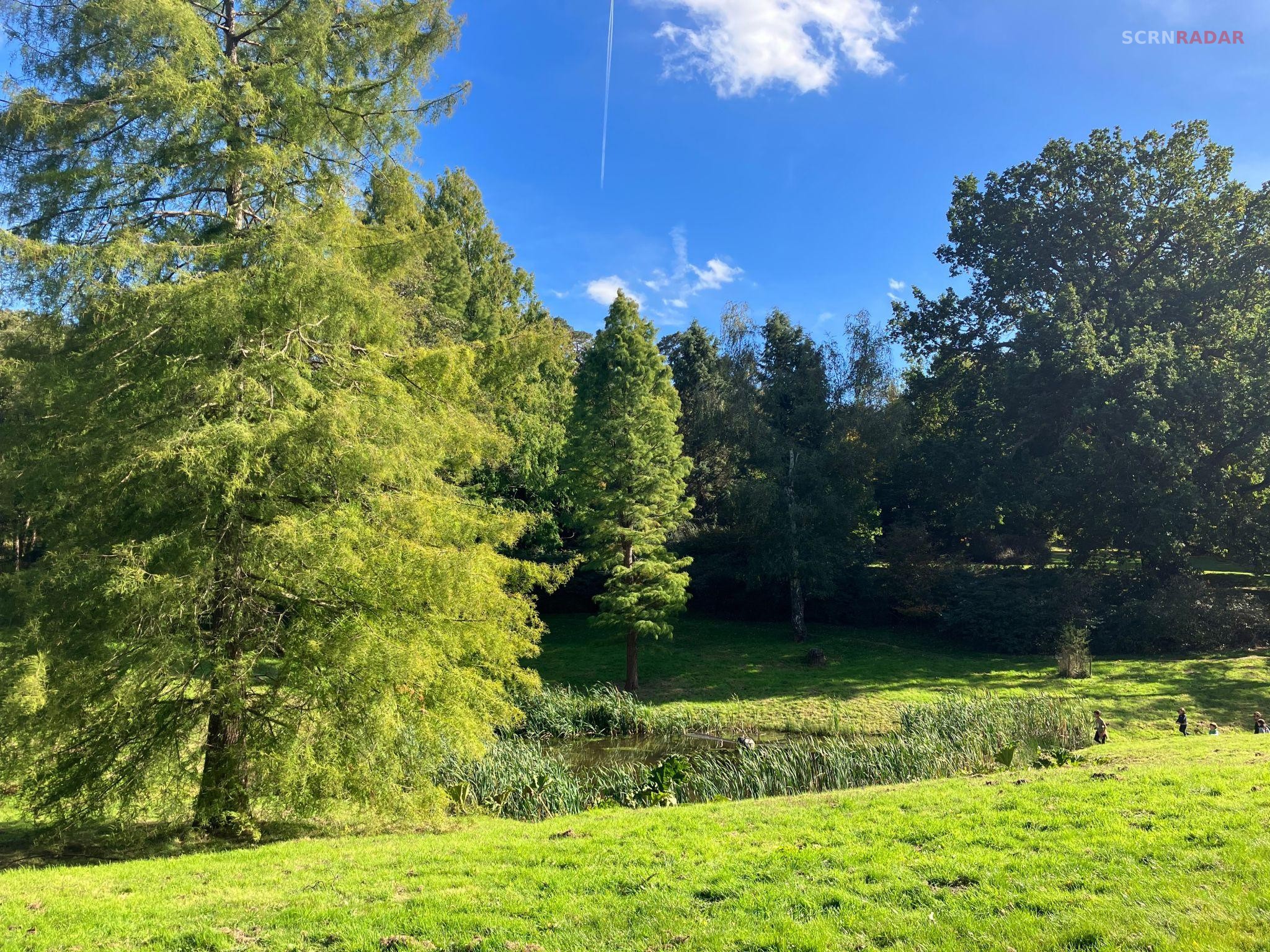
The most important filming location in Annihilation was Windsor Great Park in Berkshire, England. Large portions of the Shimmer’s mysterious forests were filmed in the South Forest area of the park, particularly around a location known as Wood Pond. These woodland environments became the foundation for many of the expedition sequences seen throughout the film.
Windsor Great Park offered filmmakers something they struggled to find elsewhere: open sightlines within a dense forest environment. This allowed cinematographer Rob Hardy to capture the vast and disorienting nature of Area X while maintaining visual depth. The location’s mixture of woodland, marshes, and reflective water surfaces also provided an ideal canvas for the Shimmer’s strange mutations.
Many of the film’s most recognizable forest scenes were enhanced digitally after filming. However, the foundation remained firmly rooted in the natural beauty of Windsor Great Park, helping create the organic and immersive atmosphere that defines the movie.
Wood Pond and the Swamp-Like Landscapes of Area X
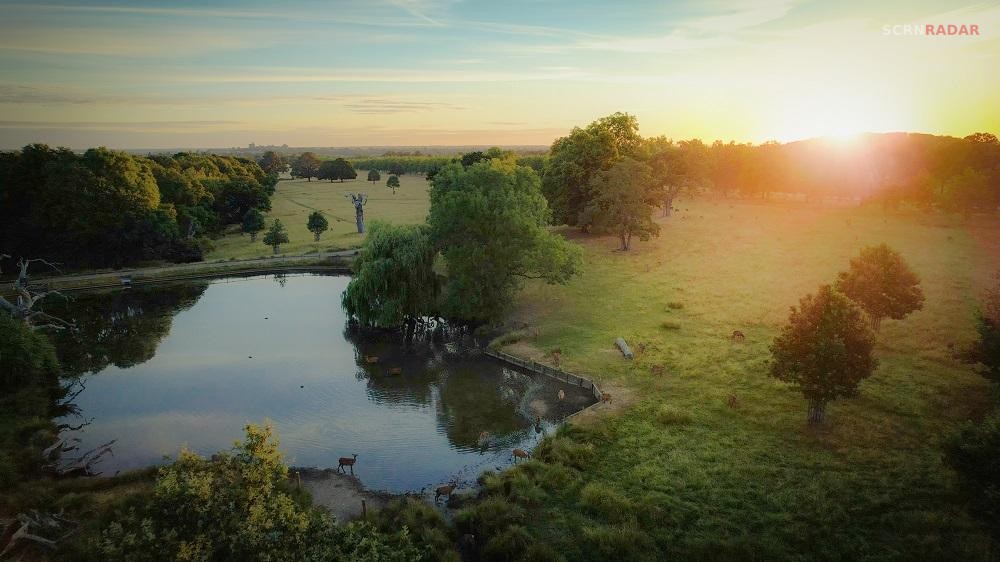
Within Windsor Great Park, Wood Pond became one of the production’s most valuable locations. The area’s wetlands and marshy terrain helped create the illusion of the humid coastal environments described in the source material. Although viewers might assume these scenes were filmed in Louisiana, Mississippi, or Florida, they were actually captured just outside London.
The pond’s reflective waters contributed significantly to the visual themes of refraction and transformation that run throughout the movie. Water frequently appears as a symbolic element in Annihilation, and the location naturally supported those themes without requiring extensive artificial construction.
Combined with visual effects and carefully designed plant life, the area became one of the most convincing representations of the Shimmer’s constantly evolving ecosystem.
Holkham Beach and the Coastal Origins of the Shimmer
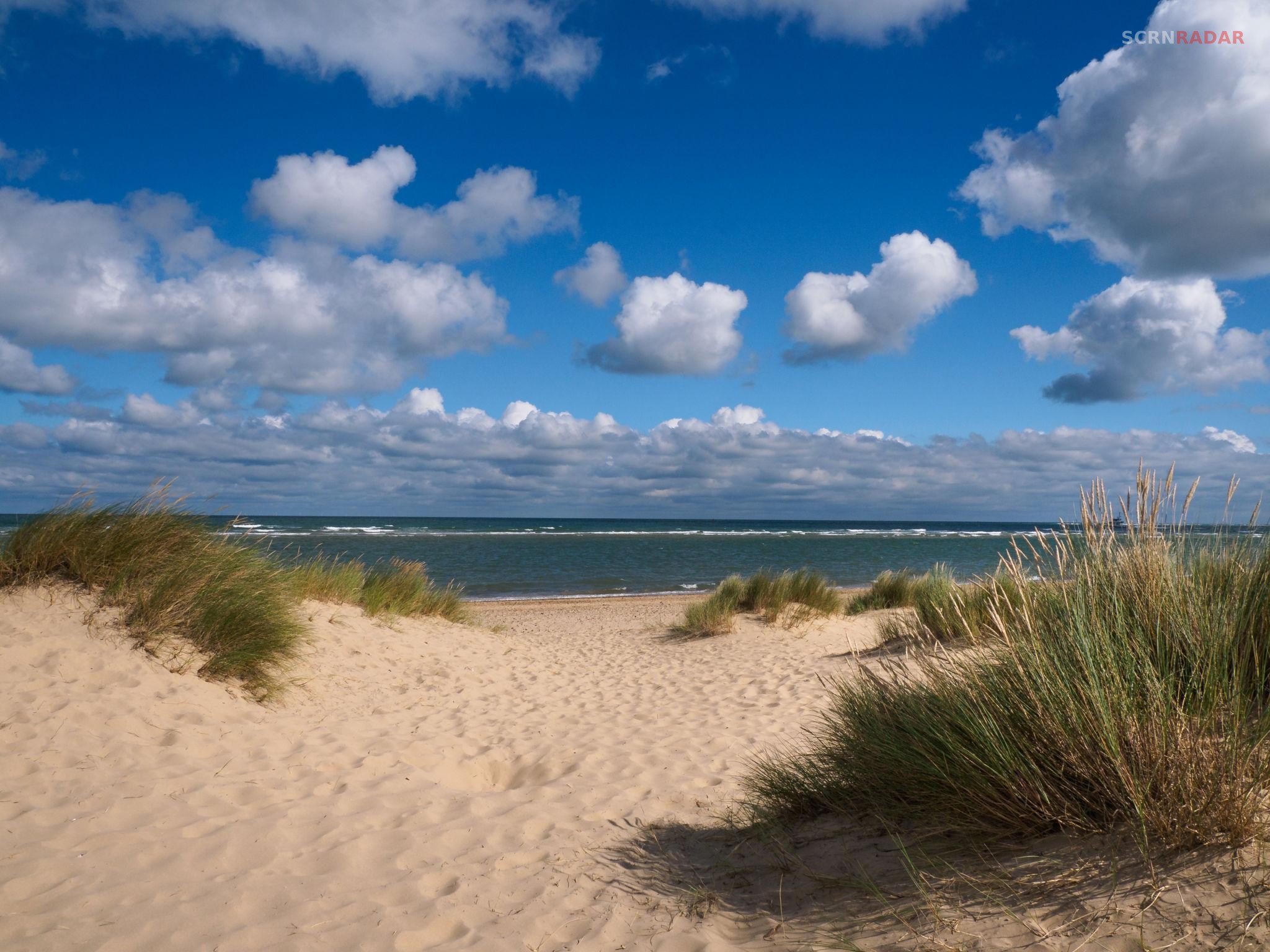
One of the film’s most striking locations is the coastline surrounding the mysterious lighthouse at the center of Area X. These sequences were filmed at Holkham Beach and nearby Holkham Pines in North Norfolk, England. The expansive shoreline provided the perfect setting for the story’s climactic revelations.
Holkham Beach is famous for its vast stretches of sand, dramatic skies, and relatively untouched appearance. The isolation of the terrain helped reinforce the sense that the characters were venturing into an unknown and dangerous territory. On screen, the location feels remote and almost otherworldly, despite being one of England’s most recognizable coastal areas.
The beach also serves an important narrative purpose. It marks the location where the alien phenomenon first emerged, making it one of the most significant settings in the entire film.
Former RAF Bentwaters: Creating the Military Presence
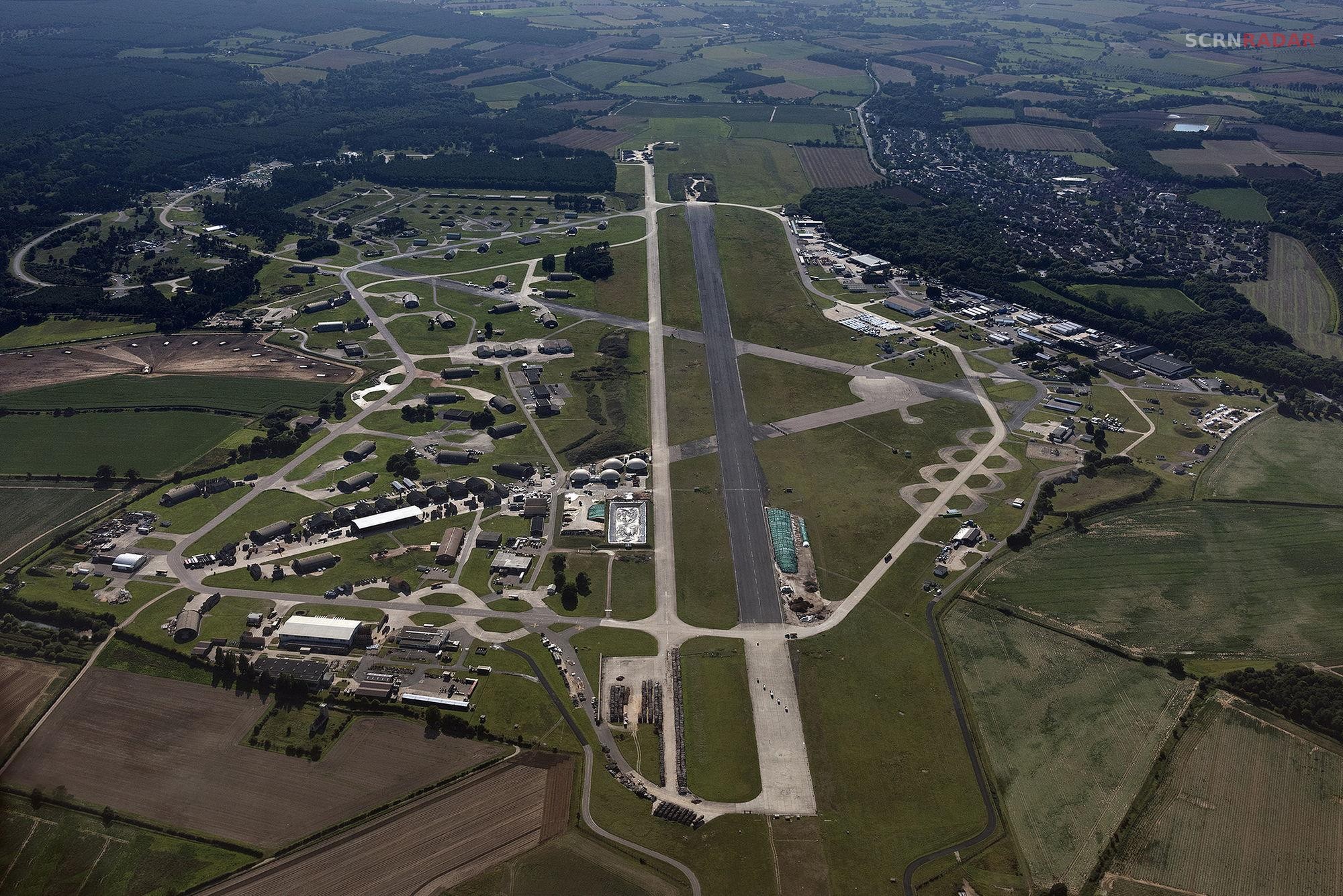
Several scenes involving military operations and research facilities were filmed at the former RAF Bentwaters site in Suffolk. This decommissioned Royal Air Force base provided exterior shots for the military installations surrounding Area X. Its aging infrastructure and isolated environment fit naturally within the film’s secretive government setting.
The abandoned nature of the base helped create an atmosphere of tension and uncertainty. Rather than constructing a military complex from scratch, filmmakers were able to use real-world structures that already possessed a sense of history and authenticity. This decision enhanced the film’s grounded tone during scenes outside the Shimmer.
Today, the location remains of interest to film enthusiasts because it has appeared in several productions beyond Annihilation.
Marsworth Airfield and the Abandoned House Sequences
Another important location was Marsworth Airfield in England. According to production records, the site was used for some of the film’s outdoor sequences, including scenes involving the expedition team’s encounters within abandoned structures.
The location’s open landscapes and isolated atmosphere helped reinforce the feeling that the characters had entered a world disconnected from ordinary reality. Throughout the film, abandoned buildings become symbols of civilization being overtaken and transformed by the Shimmer. Marsworth Airfield contributed significantly to this visual motif.
These scenes may not be as visually famous as the lighthouse or forest sequences, but they play an important role in establishing the growing sense of unease experienced by the characters.
Oxfordshire Locations and Abandoned Facilities
Several additional scenes were filmed in Oxfordshire. The abandoned Carmel College site was used for the memorable swimming pool sequence, while the former RAF Upper Heyford facility helped portray research and military-related environments. These locations added variety to the film’s visual terrain while maintaining its eerie tone.
Abandoned institutional buildings frequently appear throughout Annihilation because they symbolize the breakdown of familiar structures and systems. By utilizing real abandoned facilities, the production achieved a level of realism that would have been difficult to replicate entirely on sound stages.
The weathered architecture and overgrown surroundings helped create a sense that Area X was slowly reclaiming human-made spaces.
Studio Work and Interior Sets
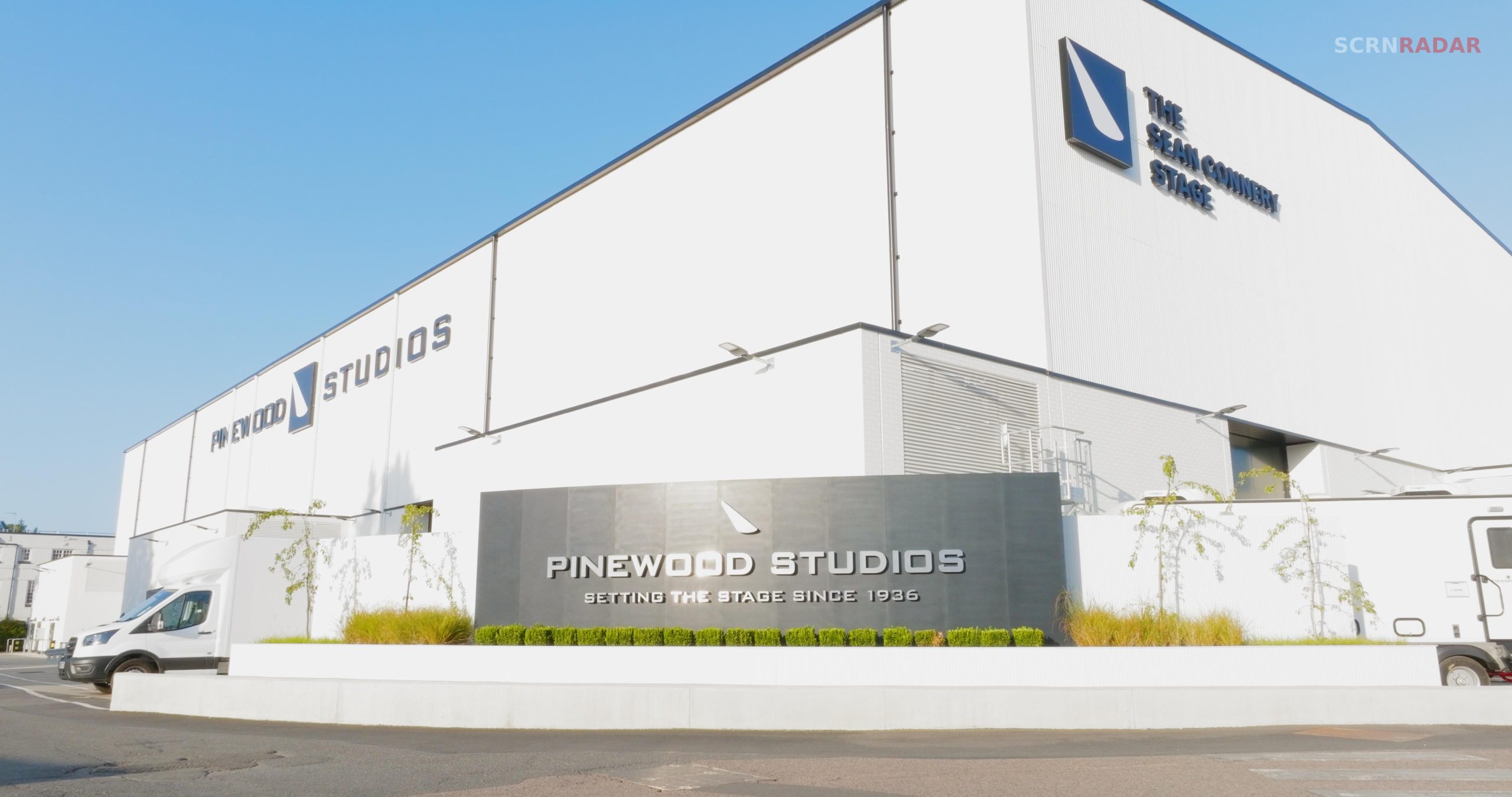
While many exterior scenes were filmed on location, several interior sequences were constructed in studios near London. Production reports indicate that selected interior environments were built at Pinewood Studios, where filmmakers could exercise greater control over lighting, production design, and visual effects integration.
Studio construction was particularly important for scenes requiring complex practical effects or highly controlled environments. Certain laboratory spaces, research facilities, and other interior settings were enhanced through a combination of physical set design and digital effects.
This blend of real-world locations and studio craftsmanship allowed the film to maintain visual consistency while supporting its increasingly surreal narrative developments.
Can Fans Visit the Annihilation Filming Locations?
The filming locations in Annihilation are more than just beautiful backdrops. They directly support the film’s central themes of transformation, self-destruction, evolution, and identity. Forests become places where biological boundaries blur, beaches symbolize origins and endings, and abandoned buildings represent the collapse of familiar structures.
The natural environments chosen by the filmmakers already possessed an atmospheric quality before visual effects were added. This allowed the production team to create a world that felt simultaneously realistic and alien. Rather than overwhelming audiences with CGI, the film built its visual identity upon genuine landscapes.
This commitment to practical locations is one reason the film continues to stand out among modern science fiction movies.
Many of the locations used in Annihilation remain accessible to visitors today. Windsor Great Park is open to the public and offers miles of woodland trails, lakes, and scenic viewpoints. While visitors may not immediately recognize every filming spot, fans can explore many of the same landscapes that inspired the Shimmer.
Holkham Beach is another popular destination and remains one of England’s most picturesque coastal locations. Its expansive shoreline continues to attract visitors, photographers, and film enthusiasts throughout the year.
Some former military sites used during production have restricted access or private ownership arrangements. However, many can still be viewed externally or explored through guided tours when available.
Annihilation remains one of the most visually distinctive science fiction films of the modern era, and its filming locations played a major role in achieving that reputation. Rather than relying solely on computer-generated environments, the production team transformed real locations across England into the mysterious and terrifying world of Area X.
From the forests of Windsor Great Park and the wetlands of Wood Pond to Holkham Beach’s dramatic coastline and the abandoned military facilities scattered across the country, each location contributed something unique to the film’s atmosphere. These places helped create a world that felt authentic even as it explored impossible concepts.
For movie lovers, visiting these locations offers a chance to experience the real landscapes behind one of science fiction’s most unforgettable cinematic journeys. The Shimmer may be fictional, but the remarkable places that brought it to life are very real.