Finding the best movies to watch on Netflix can feel overwhelming, especially with the platform constantly updating its library. While there are thousands of titles available, only a handful truly stand out as timeless cinematic experiences that combine storytelling, performances, and cultural impact. Whether you are looking for gripping drama, intense thrillers, or unforgettable character-driven narratives, Netflix continues to host some of the greatest films ever made.
This carefully curated list focuses on five of the best movies of all time currently available on Netflix, selected based on critical acclaim, awards recognition, audience ratings, and long-term cultural influence. These are not just popular titles but films that have shaped cinema in meaningful ways and continue to resonate across generations.
Each movie offers a distinct viewing experience, ranging from emotional storytelling to high-concept filmmaking and powerful performances. Let’s break down the top five must-watch movies on Netflix right now and explore why each one deserves a spot on your watchlist.
1. The Shawshank Redemption (1994)
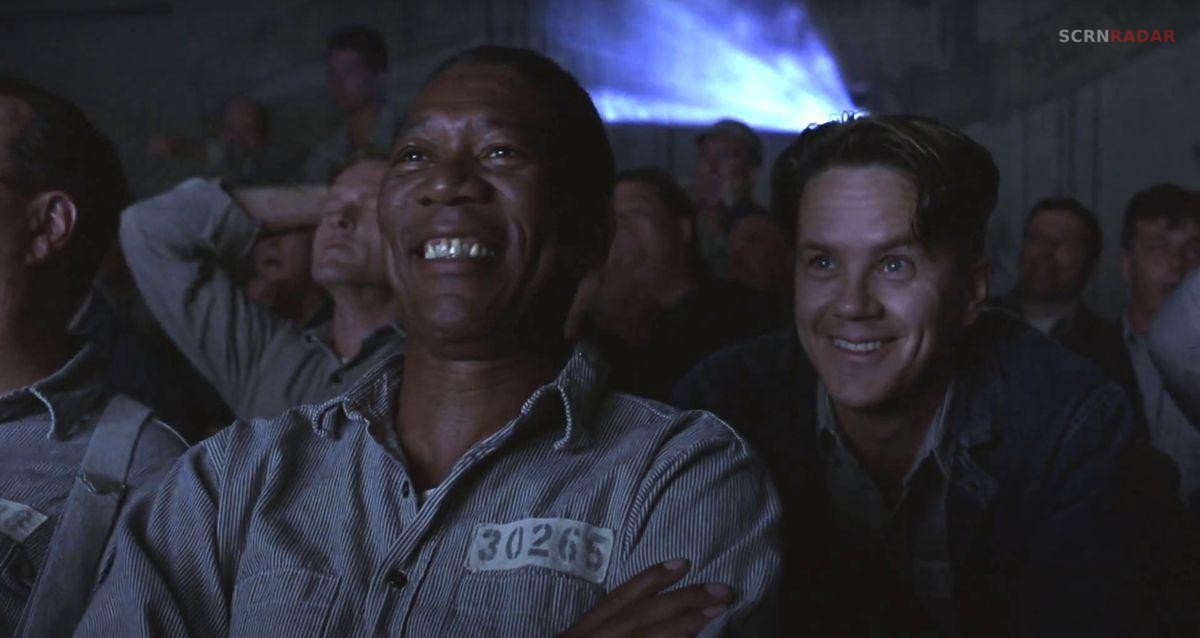
The Shawshank Redemption is widely considered one of the greatest films ever made, consistently ranking at the top of IMDb’s all-time charts. Directed by Frank Darabont and adapted from a Stephen King novella, the film tells the story of Andy Dufresne, a quiet banker sentenced to life in prison for a crime he did not commit. What begins as a bleak prison drama slowly transforms into a powerful story about hope and perseverance.
The film’s narrative unfolds over several decades, allowing viewers to witness Andy’s transformation and the evolving dynamics within Shawshank prison. His friendship with Ellis “Red” Redding, portrayed by Morgan Freeman, is at the heart of the story. Red serves as both narrator and emotional anchor, offering insight into the harsh realities of prison life while highlighting Andy’s quiet resilience.
One of the defining aspects of the film is its exploration of hope as a form of resistance. Andy refuses to let the oppressive environment break his spirit, finding ways to maintain his humanity through small acts like building a library and helping fellow inmates. These moments may seem minor, but they gradually reshape the prison community and give inmates a sense of dignity.
The pacing of the film is deliberate, allowing its emotional beats to land with greater impact. Instead of relying on dramatic twists, it builds tension through character development and subtle storytelling. This approach makes the eventual payoff feel deeply earned rather than forced.
The final act of the film is often cited as one of the most satisfying conclusions in cinema. Andy’s meticulously planned escape is revealed in a way that reframes everything that came before it. His reunion with Red on a sunlit beach provides a sense of closure that is both uplifting and emotionally resonant.
Beyond its narrative, The Shawshank Redemption has had a lasting cultural impact. It is frequently referenced in discussions about the greatest films ever made and continues to attract new audiences decades after its release. Its themes of hope, friendship, and resilience remain universally relevant.
2. The Dark Knight (2008)
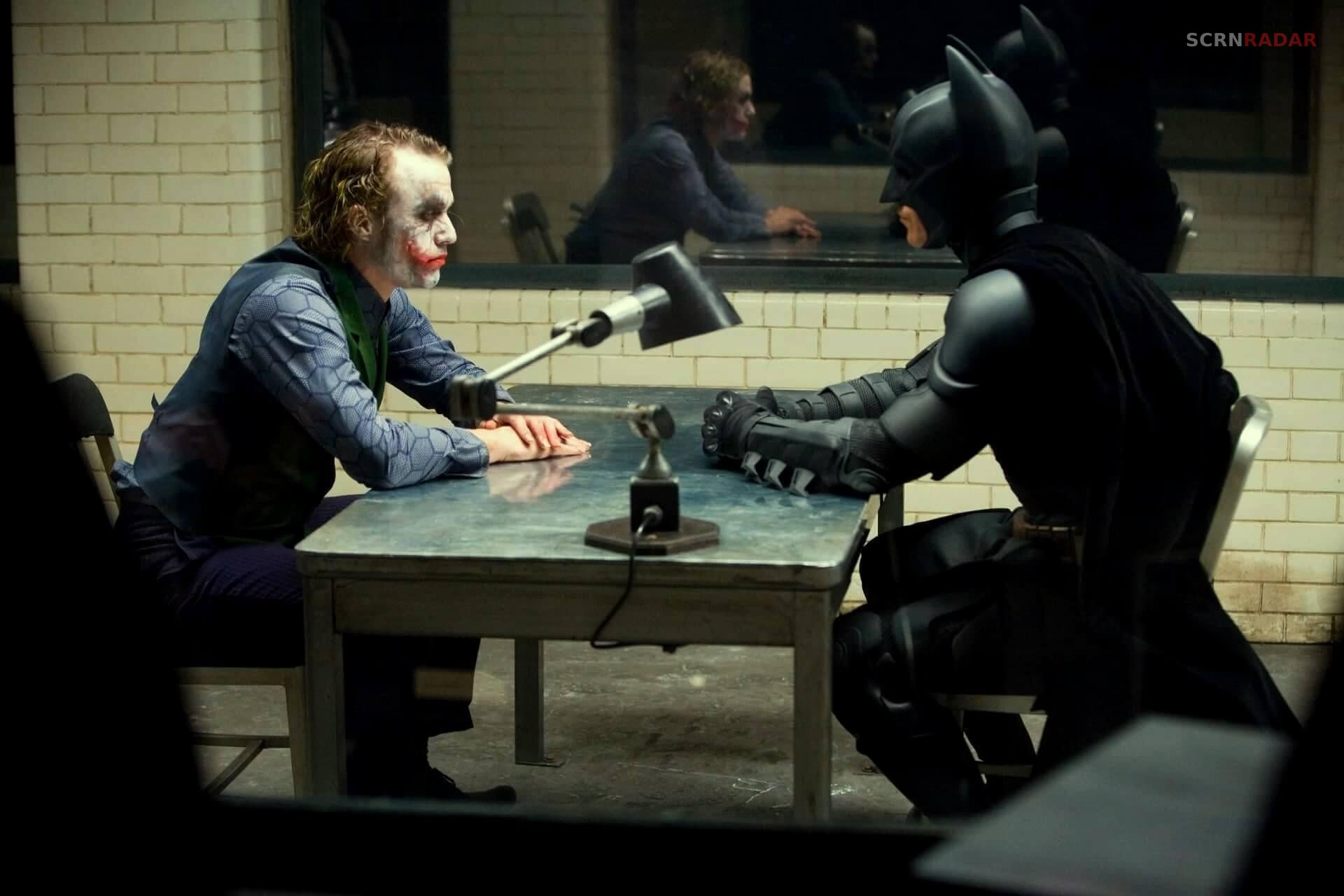
The Dark Knight is a landmark film that redefined what superhero movies could achieve. Directed by Christopher Nolan, it transcends the conventions of the genre to deliver a gripping crime drama that explores complex moral dilemmas. At its core, the film is a battle of ideologies between Batman and the Joker.
Heath Ledger’s portrayal of the Joker is one of the most iconic performances in film history. Rather than presenting a traditional villain, Ledger’s Joker embodies chaos and unpredictability. His actions are not driven by money or power but by a desire to expose the fragility of societal order. This makes him a uniquely compelling antagonist.
The film’s narrative structure is tightly woven, with multiple storylines intersecting in meaningful ways. Harvey Dent’s transformation into Two-Face adds another layer to the story, illustrating how even the most righteous individuals can be corrupted. His arc serves as a tragic counterpoint to Batman’s struggle to remain a symbol of hope.
Visually, The Dark Knight is striking, with its use of practical effects and IMAX cinematography enhancing the realism of its action sequences. Scenes like the Joker’s bank heist and the truck flip in Gotham City are executed with precision and intensity. These moments contribute to the film’s immersive quality.
Thematically, the film look into questions about justice, morality, and sacrifice. Batman’s decision to take the blame for Dent’s crimes underscores his commitment to protecting Gotham, even at the cost of his own reputation. This selflessness defines him as a hero in a way that goes beyond physical strength.
The Dark Knight remains a defining moment in modern cinema, influencing not only superhero films but the broader terrain of blockbuster storytelling. Its blend of action, philosophy, and character-driven drama ensures its place among the greatest films of all time.
3. Inception (2010)
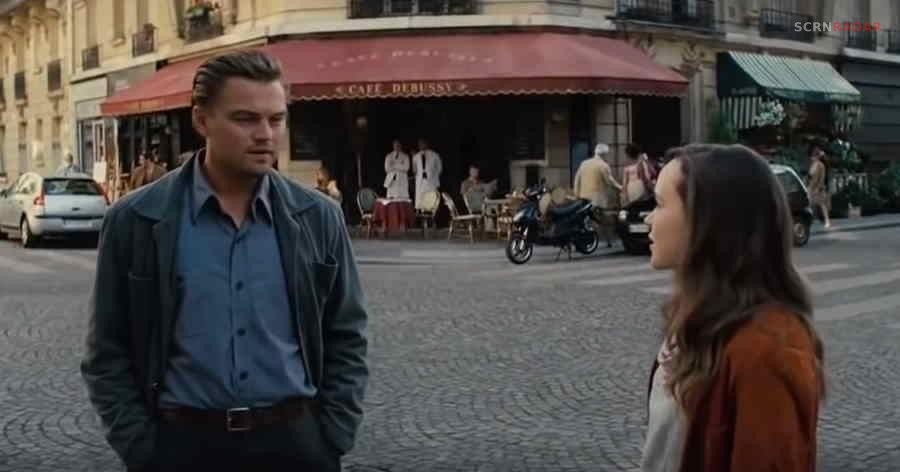
Inception stands as one of the most ambitious films of the 21st century, combining science fiction with psychological depth. Directed by Christopher Nolan, the film introduces a world where technology allows individuals to enter and manipulate dreams. This concept forms the foundation for a high-stakes heist unlike anything seen before.
Leonardo DiCaprio plays Dom Cobb, a skilled extractor who steals secrets from within the subconscious. His mission to plant an idea in someone’s mind, known as inception, requires steering multiple layers of dreams. Each layer operates under different rules of time and physics, adding complexity to the narrative.
The film’s visual effects are groundbreaking, with scenes like the folding city and zero-gravity hallway becoming iconic. These sequences are not just visually impressive but also serve the story, illustrating the fluid nature of dreams. The seamless integration of practical effects and CGI enhances the film’s realism.
At its emotional core, Inception is about grief and guilt. Cobb is haunted by the memory of his wife, Mal, whose presence in his subconscious threatens to sabotage the mission. His journey is as much about confronting his past as it is about completing the heist.
The film’s layered storytelling requires active engagement from the audience. It challenges viewers to piece together the narrative and interpret its meaning. This complexity is one of the reasons it remains widely discussed and analyzed.
The ambiguous ending, featuring the spinning top, is one of the most debated moments in cinema. It leaves viewers questioning whether Cobb is still dreaming or has returned to reality. This open-ended conclusion adds to the film’s enduring appeal and invites multiple interpretations.
4. Forrest Gump (1994)
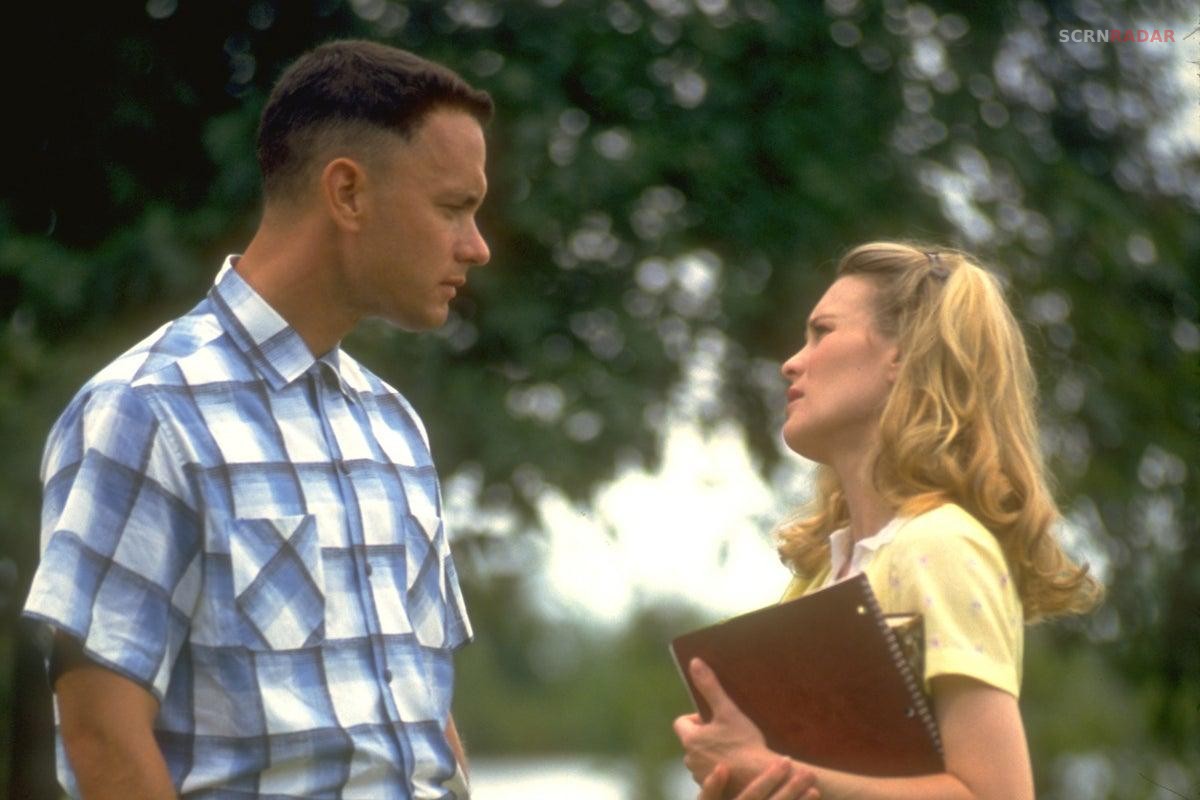
Forrest Gump is a heartfelt film that blends personal storytelling with historical events. Directed by Robert Zemeckis and starring Tom Hanks, it follows the life of Forrest Gump, a man with a low IQ who unintentionally becomes part of significant moments in American history.
The film’s narrative is structured as a series of recollections, with Forrest sharing his life story while sitting on a bench. This framing device allows the story to move seamlessly across different time periods. It also gives the film a reflective and intimate tone.
Forrest’s character is defined by his innocence and unwavering optimism. Despite facing numerous challenges, he approaches life with simplicity and kindness. This perspective allows him to navigate complex situations without losing his sense of self.
The film’s integration of historical events is both creative and engaging. Through visual effects, Forrest is placed alongside real-life figures, creating a unique blend of fiction and reality. This approach adds depth to the story while maintaining its emotional focus.
Tom Hanks delivers a remarkable performance, bringing authenticity and warmth to the character. His portrayal earned him an Academy Award and remains one of the most memorable performances in film history. The supporting cast, including Robin Wright as Jenny, adds further emotional complexity.
Forrest Gump explores themes of destiny, love, and resilience. Its ability to balance humor and heartbreak makes it a timeless classic. The film’s message about finding meaning in life’s journey continues to resonate with audiences.
5. The Irishman (2019)
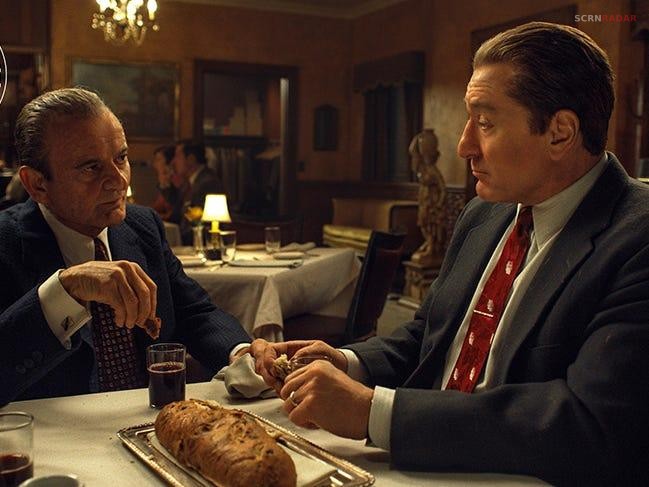
The Irishman is a sprawling crime drama directed by Martin Scorsese that reflects on the passage of time and the consequences of a life lived in organized crime. The film follows Frank Sheeran, a truck driver who becomes involved with the mob and rises through its ranks.
Robert De Niro’s performance as Sheeran anchors the film, supported by Al Pacino as Jimmy Hoffa and Joe Pesci as Russell Bufalino. The chemistry between these actors adds depth to the narrative, making the relationships feel authentic and layered.
One of the film’s most notable features is its use of de-aging technology. This allows the actors to portray their characters across several decades, providing continuity in the storytelling. While initially noticeable, the technology becomes less distracting as the film progresses.
Unlike traditional gangster films that focus on power and violence, The Irishman takes a more introspective approach. It examines the emotional cost of Sheeran’s choices, particularly in his relationships with family and friends. The film’s pacing allows these themes to develop gradually.
The final act shifts focus to Sheeran’s old age, highlighting his isolation and regret. This departure from the typical crime film structure adds a layer of realism and emotional weight. It serves as a reminder that actions have long-term consequences.
The Irishman stands as a reflective piece within Scorsese’s filmography. It not only revisits themes from his earlier works but also offers a more contemplative perspective on them. The film’s exploration of loyalty, betrayal, and mortality makes it a significant contribution to the genre.
These five films represent some of the best cinematic experiences available on Netflix right now. Each one offers a unique perspective, whether through emotional storytelling, innovative filmmaking, or powerful performances.
They are not just popular movies but enduring works of art that continue to influence audiences and filmmakers alike. Watching them is not just about entertainment but also about understanding what makes cinema truly impactful.
If you are looking for movies that combine quality, depth, and rewatch value, these titles are among the best choices you can make.